.png)
 简体中文

How Can an Audio Mixer Help You Recreate Different Vocal Styles?
You have a reference track playing in one ear and a microphone in front of you. You know exactly how you want to sound — the warm intimacy of a 1970s folk record, or the bright compressed punch of a 1990s pop vocal. You press record. You play it back. It sounds like neither.
The frustrating truth is that the gap between your recording and your reference track is rarely about your voice. It is about your processing chain. The vocal style you hear on that reference track — its warmth, its size, its era — lives not just in the singer’s performance but in the decisions made after the microphone: the EQ curve, the compression character, the reverb type. An audio mixer is the tool that makes those decisions, in real time, before the recording even reaches your DAW.
This guide walks through the sonic DNA of vocal production from the 1970s through the early 2000s — what made each era sound the way it did, which processing decisions created that character, and how a modern portable audio mixer can give you access to those sounds without building complex chains from scratch.
What an Audio Mixer Actually Does to a Vocal
Before diving into era analysis, here is a clear picture of the three tools an audio mixer applies to a vocal signal.
EQ shapes the tonal colour of a voice. Four frequency regions matter most:
- 200–400Hz controls chest warmth — boosting here adds rounded body and weight
- 1–3kHz controls presence and intelligibility — the “forward” quality that cuts through a mix
- 4–8kHz controls brightness — useful in small amounts, harsh in excess
- Above 10kHz adds sparkle and air — rarely present in vintage recordings, because analog equipment did not extend that cleanly into the extreme highs
These four regions interact. A decision at one affects how another is perceived, which is why a single EQ boost rarely explains an entire vocal character — it is always the combination.
Compression controls the gap between a vocal’s loudest and quietest moments. A slow attack preserves the natural punch of each syllable — the result feels human and dynamic. A fast attack clamps down immediately for a polished, controlled sound. Higher ratios squeeze that range further, pushing the vocal toward total consistency.
Reverb determines whether a vocal feels intimate or cinematic. Plate reverb gives a smooth, slightly metallic quality. Gated reverb cuts the tail abruptly for a punchy, unnatural effect. Digital hall reverb creates long, spacious tails suited to emotional ballads.
One detail makes a significant difference: pre-delay. Adding 15–30ms of silence before the reverb tail begins keeps the vocal clear and upfront. Without it, reverb smears the syllables and buries the voice.
The Sonic DNA of Vocal Styles Across Eras
1970s — Warm, Intimate, and Analog
The 1970s vocal sound was largely a byproduct of the technology. Recording on analog tape introduced natural saturation and high-frequency roll-off. The Neve 1073 mixing console, standard in major studios of the era, had a characteristic mid-range warmth baked into its circuitry. Nobody was engineering a “vintage” sound — they were using the tools available, and those tools had a particular character.

The result: emphasis in the 300Hz–2kHz range, gentle roll-off above 6–8kHz, light compression with slow attack, and plate reverb blended quietly rather than obviously. The voice breathes dynamically. The processing enhances rather than transforms.
Eagles — Hotel California (1977): Don Henley’s vocal is warm and slightly dry, sitting in the mid-range with a natural room feel. The reverb is a short plate blended at a low level — present but never dominant. Fleetwood Mac — The Chain (1977): Multi-layered vocals with natural analog grain, warmth coming from the tape and console character rather than deliberate processing decisions.
Settings profile: EQ boost at 300Hz, gentle cut at 6kHz. Compression at 2:1–3:1, slow attack. Short plate reverb, decay 1.2–1.8s, blend 15–25%. Light analog saturation.
1980s — Big, Bright, and Deliberately Processed
Everything changed. SSL mixing consoles, digital reverb units, and a new generation of producers who embraced artificial-sounding processing as an aesthetic goal — not something to hide — transformed vocal production almost overnight. Gated reverb became the decade’s signature. Heavy, fast compression made vocals sound clamped and powerful. A presence boost around 3–5kHz pushed voices to the front of dense, layered productions. The goal was scale.

Michael Jackson — Billie Jean (1982): Tight, forward, heavily compressed with a short but intensely present reverb. The presence boost around 3–4kHz creates the famous quality of cutting through everything else in the track. Whitney Houston — Greatest Love of All (1986): Large hall reverb, heavy compression, and a bright high-end lift — production designed to match the emotional scale of the song.
Settings profile: EQ boost at 3–5kHz, high-frequency lift at 10kHz. Compression at 4:1–6:1, medium-fast attack. Gated or large hall reverb, decay 2.5–4s or gated cutoff at 400–600ms, blend 30–40%.
1990s — Clarity, Emotion, and Two Distinct Paths
The 1990s had two coexisting vocal philosophies, both representing reactions against the excess of the previous decade. The first was raw authenticity — grunge and alternative stripped processing back to almost nothing. The second was refined emotional pop — cleaner and smoother than the 1980s, with shorter reverb tails, more musical compression, and more emotional directness. J-pop took a third path: absorbing American R&B production smoothness and combining it with a distinctly Japanese melodic sensibility.

Celine Dion — My Heart Will Go On (1997): Smooth hall reverb controlled and placed behind the voice. Medium compression focused on consistency. A clear presence boost that feels emotional rather than aggressive. Alanis Morissette — Ironic (1995): Minimal reverb, aggressive compression pushing every syllable forward — rawness as an intentional aesthetic, carefully produced to sound accidental. Hikaru Utada — First Love (1999): Japan’s best-selling album of all time. Warm, intimate, R&B-influenced with subtle doubling and precisely controlled reverb that adds depth without distance. One of the most technically refined vocal recordings of the decade.
Settings profile: EQ with gentle presence at 2–3kHz, smooth high-end at 8kHz, low-mid warmth at 300Hz retained. Compression at 3:1–4:1, medium attack. Short hall reverb, pre-delay 20ms, decay 1.5–2.5s, blend 20–30%.
Early 2000s — Polished, Loud, and Technically Perfected
The loudness war peaked. Heavy limiting, multi-band compression, and pitch correction became standard tools rather than special effects. Vocals sound technically perfect — consistent dynamics, bright and clear high-end, pitch-accurate delivery — but often at the cost of the natural variation that made earlier decades feel human.

Beyoncé — Crazy in Love (2003): Punchy, forward, heavily compressed — multi-band limiting makes the vocal sound loud even at low playback volume. The era’s aesthetic at its most musically effective. Norah Jones — Don’t Know Why (2002): A deliberate counter-example — warm, intimate, relatively dry. Grammy-winning proof that the era contained multiple production philosophies simultaneously.
Settings profile: EQ with forward presence at 3–4kHz, bright high-end at 10–12kHz. Compression at 5:1–8:1 with limiting, fast attack. Large hall reverb, pre-delay 30ms+, decay 2–3.5s, blend 25–35%.
How the Hollyland MELO P1 Brings These Vocal Styles Into Your Workflow
Understanding the processing behind each era is one thing. Building those chains manually — from scratch, for every session — requires significant technical experience. This is where the Hollyland MELO P1 changes the equation.

The Preset Library as a Vocal Style Reference System
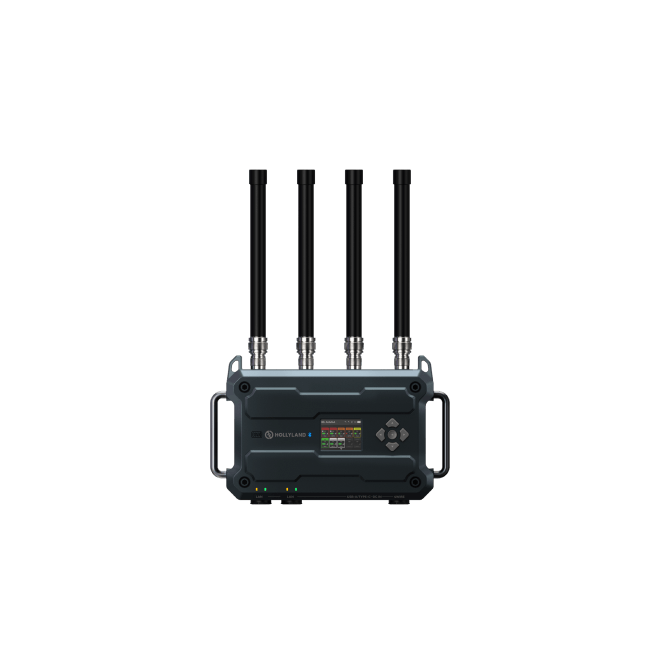
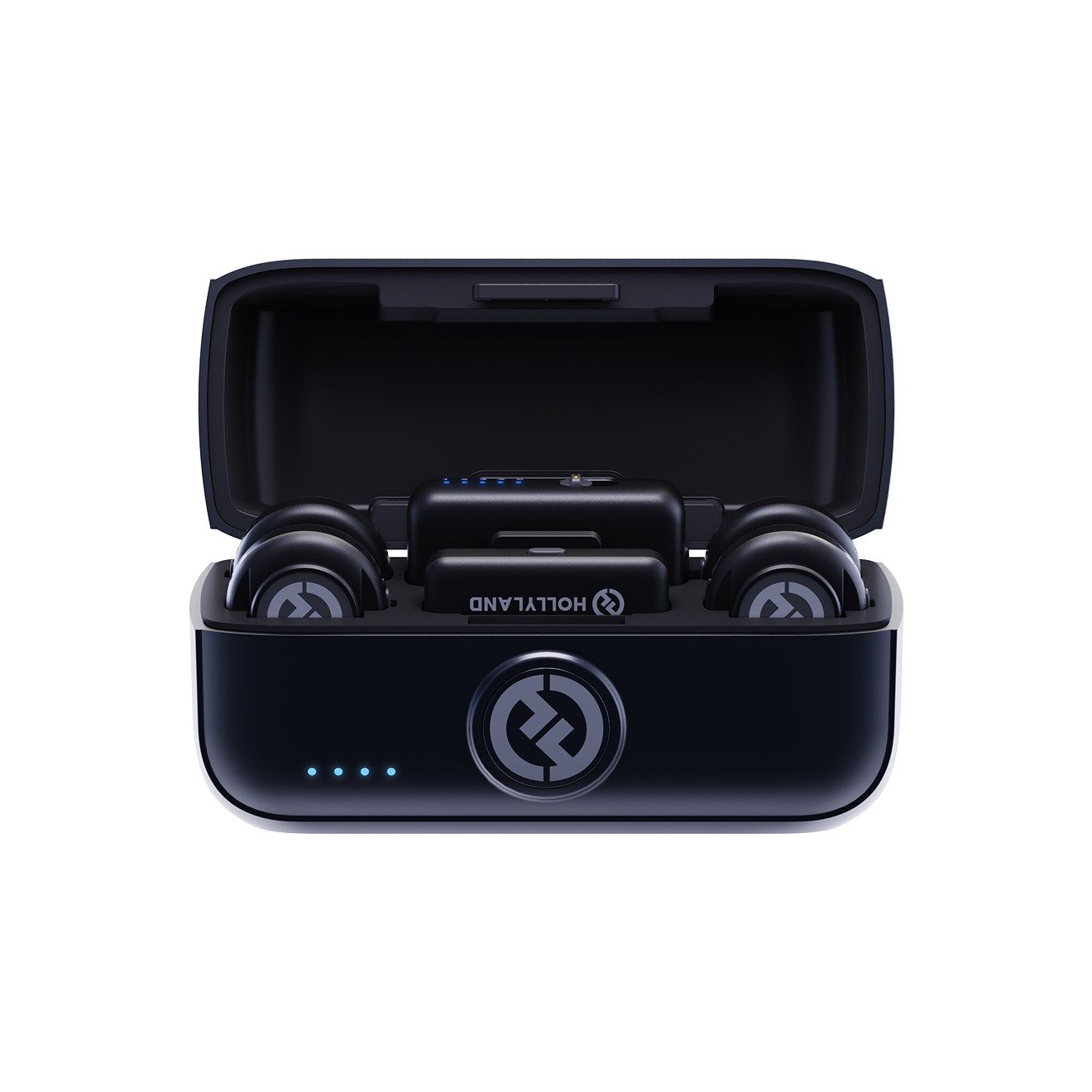
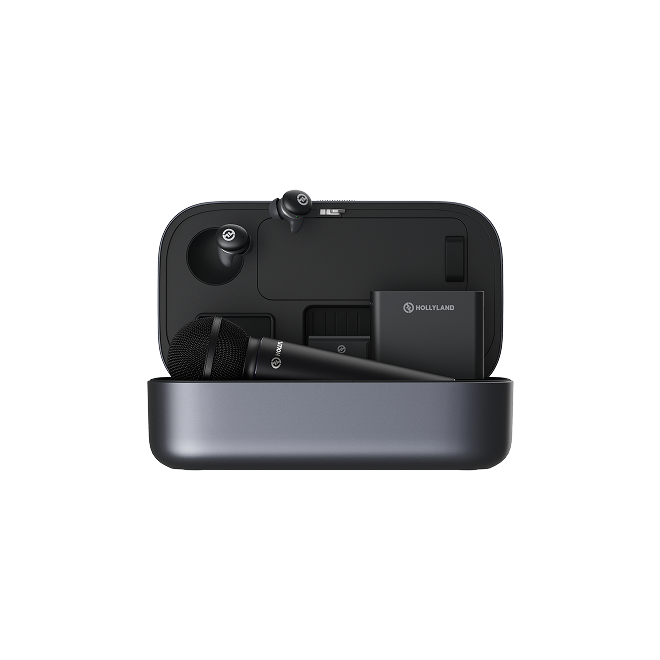
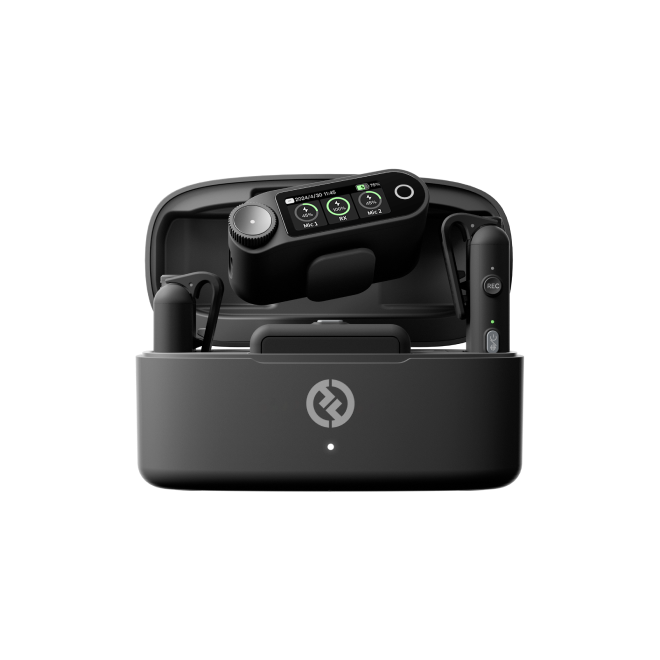
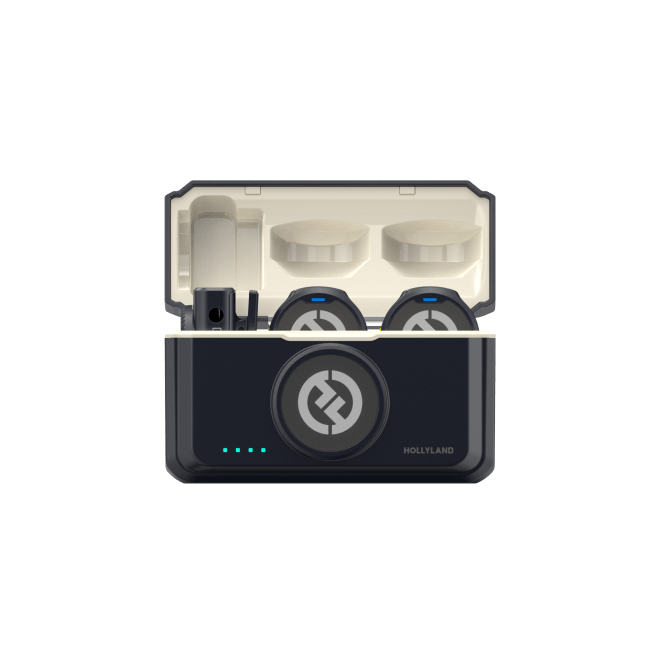
The MELO P1’s smart audio mixer is built around a library of 100+ professionally calibrated vocal presets, accessible through the HollyAudio App. Each preset is a complete, balanced processing chain — EQ curve, compression character, reverb type and amount — tuned to work together for a specific vocal style.

This matters because era sounds are not the product of any single setting. The warmth of a 1970s vocal is not just a 300Hz boost — it is that boost combined with slow-attack compression and a short plate reverb, interacting coherently. Getting that balance right from a blank slate requires experience. A professionally calibrated preset means the interaction is already correct. You are adjusting from a foundation that already sounds like something, rather than building toward something from nothing.

The Simple and Pro Fine-tuning modes reflect the reality that singers arrive with different levels of experience. Simple mode means selecting a preset and recording — no technical knowledge required. Pro mode means adjusting individual parameters from a calibrated starting point, building knowledge through experimentation rather than from zero. A singer covering Hikaru Utada’s First Love does not need to research late 1990s J-pop production history. She selects the closest ballad preset, adjusts the reverb blend slightly downward to match the original’s dry character, and records — hearing the styled vocal in real time through the wireless monitoring earphones.
Real-Time Monitoring as a Performance Tool
There is a dimension to era-specific vocal production that goes beyond settings. The processing you hear while singing shapes the way you deliver the performance. When a singer hears the warm, close character of a 1970s preset through her monitoring earphones, she naturally adjusts — singing more quietly, using more dynamic variation, allowing natural breath to enter the phrases. The intimate sound invites intimate delivery. Switch to a large 1980s hall reverb preset, and the delivery changes without conscious effort — phrases get longer, the voice fills the space the reverb suggests is there.

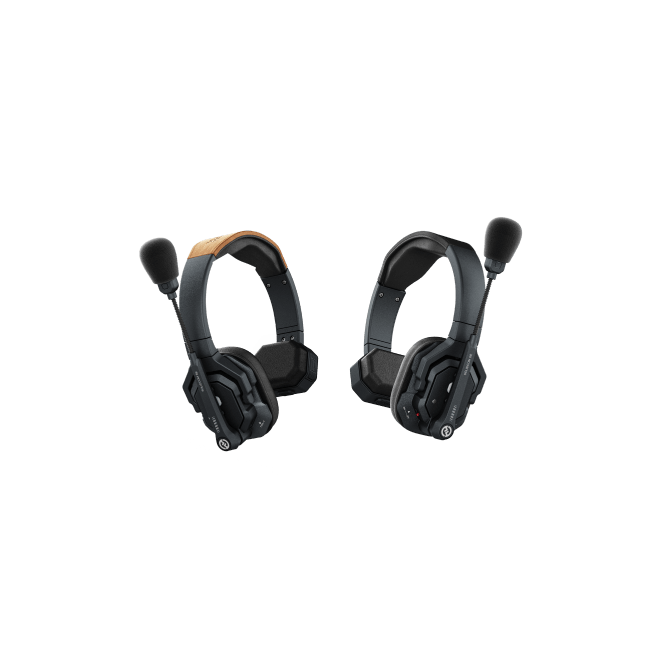
This feedback loop requires real-time monitoring to function. The MELO P1’s wireless monitoring earphones deliver a full 20Hz–20kHz representation of the processed signal via 2.4G at up to 60 metres — accurate enough to hear the character of every preset clearly. Without real-time monitoring, this loop does not exist. The singer records dry, hears the processed result on playback, and tries to adjust on the next take — a slower, less intuitive process that produces less natural performances. Monitoring through the processed signal is not a convenience feature. It is a fundamental part of how the processing shapes the performance.
One System, Every Vocal Style and Every Context
The MELO P1 supports both dynamic and condenser microphone configurations, connecting the microphone choice directly to the recording context.
For live performance — recreating a 1980s rock or J-pop vocal on stage — the dynamic microphone handles everything the context demands. Its 145 dB SPL ceiling manages powerful delivery without clipping. The 25 dB AI noise cancellation reduces stage and crowd noise at the hardware level. The Bluetooth remote at 70 metres lets a solo performer adjust reverb and monitor volume between songs without touching the mixer.
For home recording — capturing the nuance of a 1990s J-pop ballad or a warm 1970s vocal — the condenser microphone captures the full 20Hz–20kHz spectrum. Every breath intake and subtle dynamic variation is preserved. 32-bit float recording provides enough dynamic headroom that even an unexpectedly loud peak remains recoverable in post-production. The selected preset applies the era’s character immediately, and the wireless earphones let you hear the complete styled vocal as you record it.
The entire system fits in a bag. The professional vocal workflow that previously required a fixed studio and a multi-device chain is now available in any context, for any vocal style, at any location.
Frequently Asked Questions
What does an audio mixer do to improve vocal sound?
An audio mixer processes the vocal signal through EQ, compression, and reverb in real time. EQ shapes tonal colour. Compression controls dynamic consistency. Reverb places the voice in a sonic space. Together, they define the character and era of a vocal recording.
How do I recreate a 1970s vocal sound?
Boost gently at 300Hz, roll off above 6–8kHz, apply light compression with a slow attack, and add a subtle plate reverb with decay under 2 seconds, blended at 15–25%. Light analog saturation adds the tape-era grain that digital recording chains do not produce naturally.
What is the difference between 1980s and 1990s vocal production?
The 1980s used heavier compression, gated or large hall reverb, and an aggressive presence boost — powerful and deliberately artificial. The 1990s moved toward smoother compression, shorter reverb tails, and more emotionally direct vocals. The 1980s prioritises scale; the 1990s prioritises authenticity.
Can a preset match a specific song’s vocal style?
Yes. A well-designed preset captures the interaction between EQ, compression, and reverb that makes an era’s sound coherent — not just individual settings but the way they balance together. The 100+ presets in the MELO P1’s HollyAudio App give you a calibrated starting point for any style.
What makes J-pop vocal production distinct?
1980s and 1990s J-pop typically featured a brighter high-frequency lift around 8–10kHz, a smoother and lusher reverb texture, and a sweeter, breathier delivery compared to Western pop of the same era. Producers like Tetsuya Komuro fused American R&B smoothness with Japanese melodic sensibility to create a recognisably distinct sound.
Conclusion
Here is something worth sitting with: every vocal sound you have ever loved was, in part, an accident of circumstance. The warmth of tape. The metallic sheen of a plate reverb unit bolted to a studio wall. The clipped punch of a compressor that ran a little too hot. Engineers did not set out to create icons — they worked with the tools in front of them, and the tools left fingerprints.
What has changed is that those fingerprints are now mappable. The decisions that once lived inside expensive hardware, inside specific rooms, inside the institutional knowledge of a handful of engineers — they are now parameters. And parameters can travel.
That is what an audio mixer actually gives you: not just control over your signal, but authorship over your sound.
Ready to find your vocal style? The Hollyland MELO P1 puts 100+ professionally calibrated vocal presets — spanning warm vintage, bright pop, smooth R&B, cinematic ballad, and more — into a 55g portable wireless studio with real-time monitoring and studio-grade microphone options.
→ Explore the Hollyland MELO P1 and start recording the sound you actually hear in your head.


Subscribe us
to get the latest news!


