.png)
 简体中文
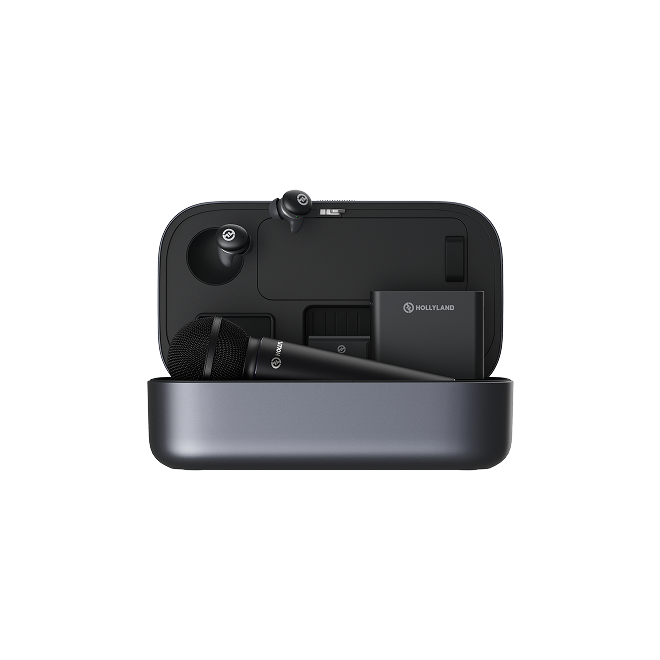
MELO P1
The all-in-one wireless vocal system for stage, stream, and studio
- 100+ Vocal Presets
- 60m Wireless Range
- 40H System Battery

Discover wireless handheld microphones built for singers — from home recording and live streaming to stage performance. Studio-grade vocal clarity, 100+ built-in presets, zero-latency monitoring, and all-day battery life. Find the mic that fits your voice.
Works with smartphones, laptops & PA systems — no mixer required

The all-in-one wireless vocal system for stage, stream, and studio
The capsule is the heart of any microphone — and for singers, it's the single biggest factor in how your voice actually sounds.
Condenser capsules are the standard choice for vocal recording and melodic singing. A large-diaphragm condenser (25mm or larger) captures the full frequency range of the human voice — the warmth in the lower register, the clarity in the midrange, and the subtle air and presence at the top. If tonal detail, nuance, and natural vocal character matter to you, a condenser capsule is the right starting point.
Dynamic capsules trade some of that tonal detail for raw durability and SPL headroom. They handle extremely loud sources without distorting, which makes them the better fit for:
n- High-energy live performances with powerful projection
n- Beatboxing, vocal percussion, or aggressive delivery styles
n- Loud stage environments where feedback resistance matters
Some microphones offer swappable capsule designs, letting you switch between condenser and dynamic modes on the same body — a practical option if your performances span both detailed melodic singing and high-SPL use.
For most singers today, wireless is the practical default. A wired handheld microphone ties you to a stand or a cable run — which works in controlled studio settings, but limits your movement on stage and adds friction to any streaming or live setup.
When evaluating a wireless handheld microphone system, look at:
This is one of the most overlooked factors for singers — and one of the most important.
When you perform or record without monitoring, you're singing blind. You can't hear your pitch, your resonance, or how your voice sits in the mix. Most standard handheld microphones offer no monitoring solution at all, which means singers have to piece together their own earphone setup separately.
Look for a system that includes real-time monitoring with zero latency. Even a small delay — as little as 10–15ms — is enough to throw off your pitch and timing. Wireless monitoring earphones that use a dedicated 2.4GHz return feed (rather than Bluetooth, which introduces more latency) are the most reliable solution for singers.
For singers who don't have a dedicated mixing engineer or a complex DAW setup, onboard vocal processing can make an enormous practical difference.
Built-in effects — reverb, EQ, compression, de-essing — shape how your voice sounds in the moment, not after hours of post-production. Key things to consider:
Singers without audio engineering backgrounds benefit most from microphone systems that handle sound shaping at the hardware level — reducing reliance on external mixers, DAWs, or technical knowledge.
A microphone that requires a separate mixer, phantom power supply, audio interface, and cable management is a significant barrier — particularly for home singers, streamers, and independent creators.
Before buying, ask:
For live performers and event MCs, setup speed and reliability under pressure are non-negotiable. For home studio singers and streamers, simplicity means you spend more time creating and less time managing gear.
Long sessions — live gigs, full-day events, extended streaming sessions — demand a microphone system that won't quit mid-performance.
Consider:
For touring performers, wedding entertainers, and event hosts, battery anxiety is a real concern. A system with 40h total battery life backed by an integrated charging case removes that uncertainty entirely.
Singing rarely happens in a perfectly treated acoustic space. Home singers deal with room noise, HVAC, and ambient sound. Stage performers contend with monitors, crowd noise, and acoustic bleed.
AI noise cancellation at the hardware level (not just software post-processing) makes a meaningful difference here. A system with 25dB or more of onboard noise reduction can maintain a clean, focused vocal signal even in noisy environments — without requiring additional processing downstream.
For live performers especially, a cardioid polar pattern combined with onboard noise cancellation provides the best combination of on-axis sensitivity (capturing your voice) and off-axis rejection (ignoring the noise around you).
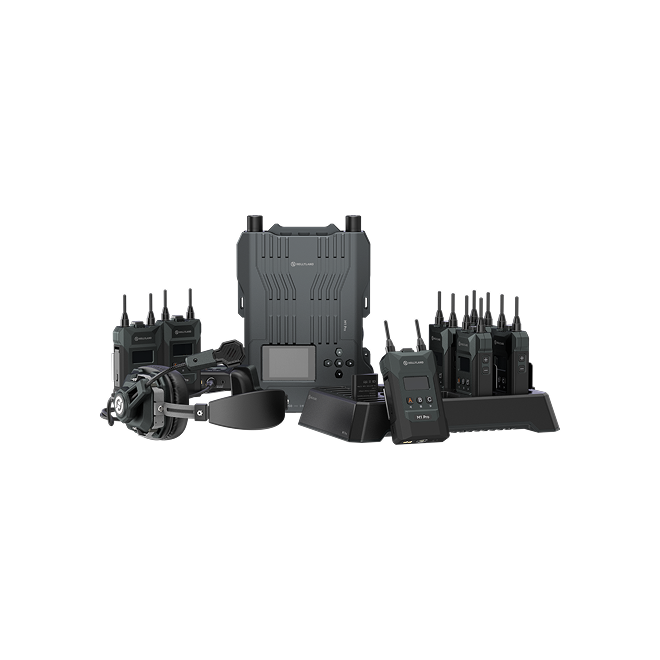
Traditionally, a professional vocal rig required separate components: a handheld microphone, a wireless transmitter, a receiver, a mixer, a monitoring earphone, and a remote controller — each purchased, configured, and cabled independently.
All-in-one wireless systems consolidate these components into a single portable package. For the right user, this delivers significant advantages:
An all-in-one system is the stronger choice for independent singers, streamers, karaoke users, and live performers who want professional-quality results without the complexity of a full component audio rig. Component setups remain the choice for professional touring engineers and studio engineers who need deep customization and interoperability across existing gear ecosystems.
I love my new LARK M2 mics. These were so good, and I really enjoyed testing out the new LARK M2 from Hollyland.
Sarah Grace Tech Creator · 3.2M YouTube subscribers
The Hollyland LARK MAX is the wireless microphone system with the clearest and crispest audio of any wireless mic system I have ever tried.
Goenrock Cinematographer · 107K Instagram subscribers
LARK MAX is doing an excellent job of dropping the sound of the air conditioner, which is something l always have to remove and post with our shotgun mic.
Film Riot Filmmaking Educator · 2.2M YouTube subscribers
Capsule size and frequency response are what separate a vocal microphone from a speech microphone — and the gap matters.
n
Most speech-focused mics use small capsules with a narrower frequency response that captures vocal intelligibility but flattens the harmonic richness, breath detail, and tonal character of a singing voice. The MELO P1 is built around a 25mm large-diaphragm condenser capsule — the same capsule size used in dedicated studio vocal microphones — with a 20Hz–20kHz frequency response that captures the full musical range of the singing voice.
n
Paired with 100+ vocal-specific presets in the HollyAudio App (each one a complete processing chain of EQ, reverb, compression, and more tuned for singing), it's engineered to make voices sound polished and natural, not flat or telephonic.
No. The MELO P1 is a complete, self-contained system — the included 55g Smart Audio Mixer functions as both the wireless receiver and a full-featured dual-chip DSP mixer in one unit.
n
It handles EQ, compression, reverb, de-essing, and more onboard without any external hardware. It connects directly to your phone, laptop, or PA system via USB-C as a plug-and-play audio device — no additional drivers, interfaces, or mixers required.
n
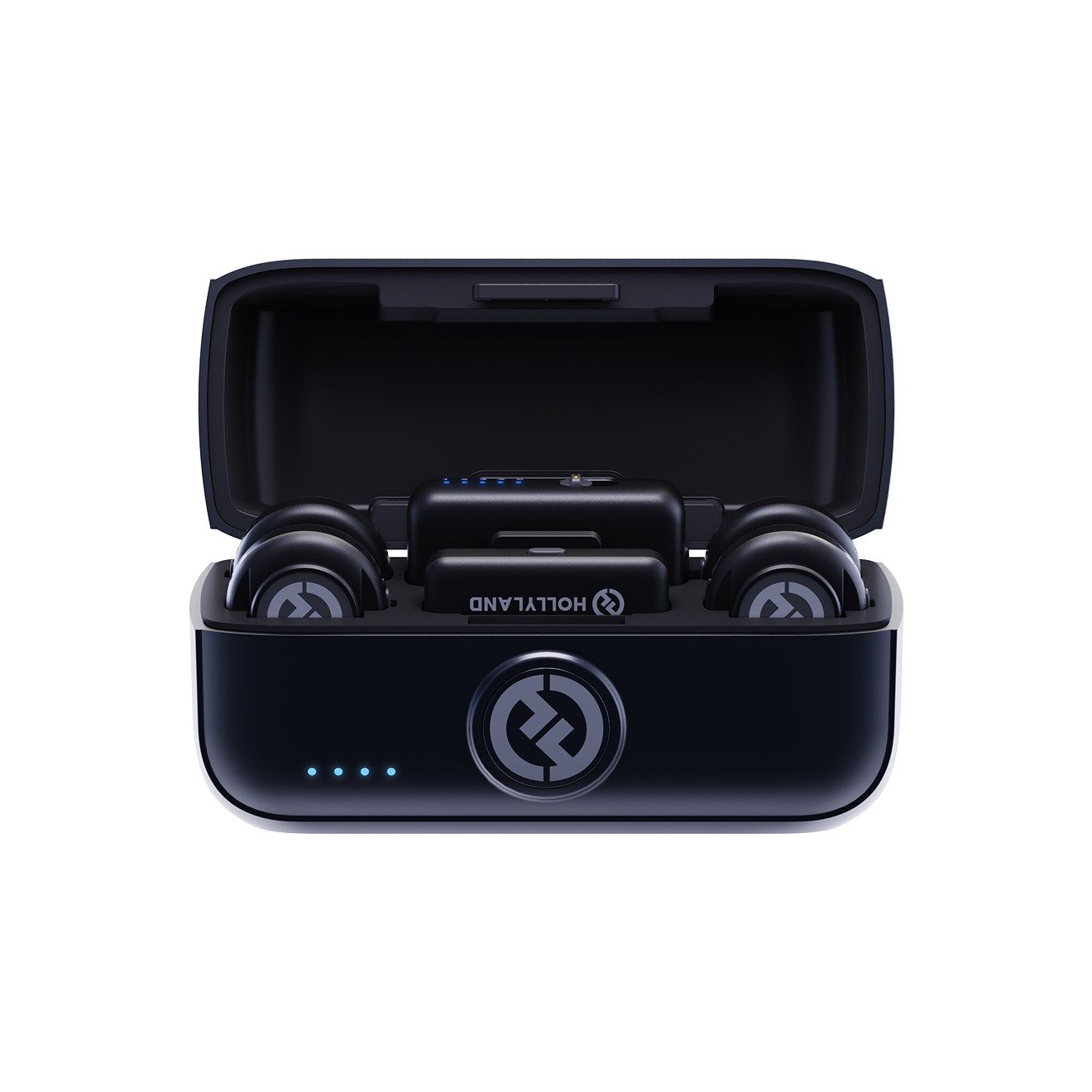
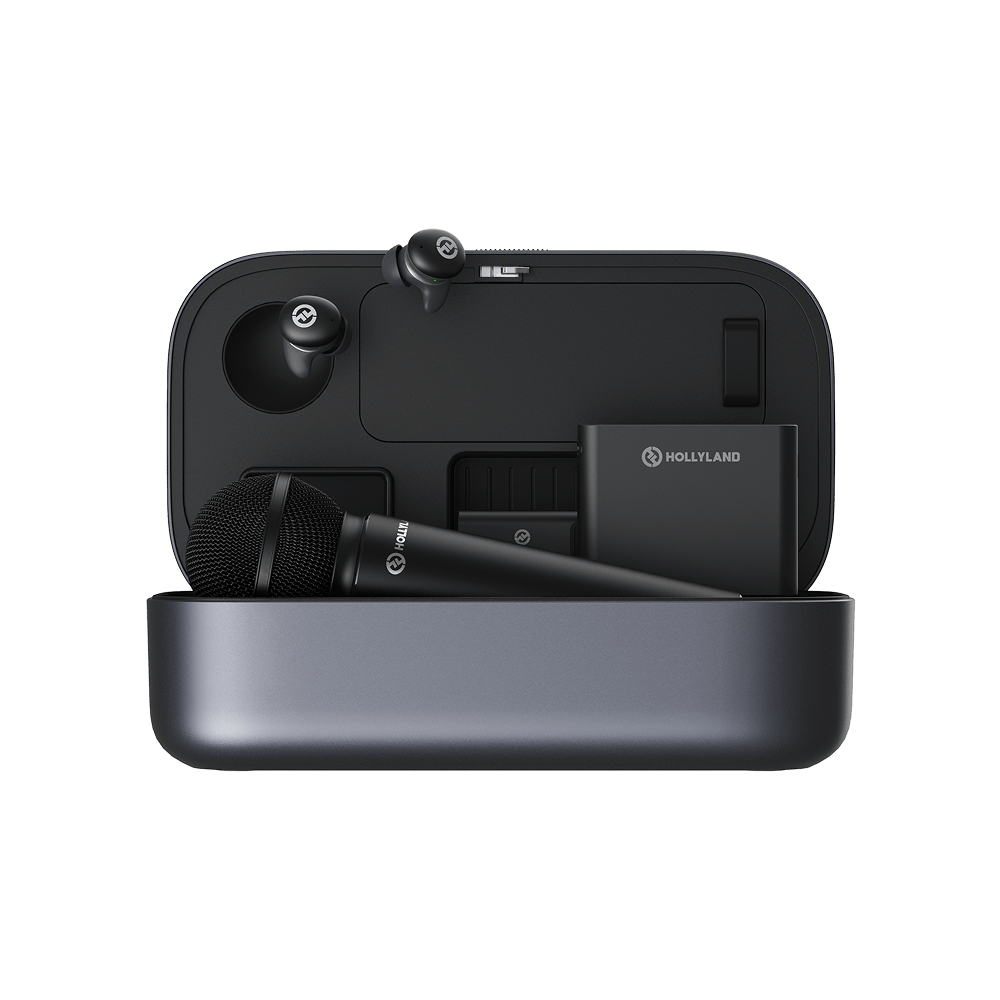
For most singers and performers, the MELO P1 replaces what would otherwise be a microphone, a mixer, a monitoring earphone, and a remote controller bought and cabled separately.
Latency in monitoring is a real problem — hearing yourself even 20–30ms late throws your pitch, timing, and confidence off during a performance.
n
The MELO P1 includes a dedicated 2.4GHz wireless monitoring earphone that delivers a zero-latency real-time return feed of your voice. This is a separate signal path from the audio output, engineered specifically so you hear yourself as you sing with no perceptible delay — not a workaround, but a core part of the system design.
n
The earphone runs for approximately 9 hours per charge and recharges in the system's integrated charging case alongside the rest of the components.
The MELO P1 uses 2.4GHz wireless transmission with a 60m (196ft) line-of-sight range — enough to cover a full stage, a mid-size venue, or an outdoor performance space with room to spare.
n
For performers who want to control effects and switch vocal presets without approaching the mixer, the included Bluetooth remote operates independently at up to 70m range. You can trigger effects, adjust reverb, and switch presets from anywhere on stage in real time, without interrupting your performance or walking back to the receiver.
Yes — this is specifically what the preset system is built for.
n
The HollyAudio App gives you access to 100+ professionally tuned vocal presets, each one a complete effects chain (EQ, reverb, compression, and more) already calibrated for a specific vocal style or genre. Select a preset, and your voice sounds polished immediately — no manual tweaking required.
n
If you want to go deeper, the full studio-grade effects suite is there to explore. But singers with no technical background can achieve professional-sounding results from the first session.
n
The Bluetooth remote lets you switch presets or trigger effects on the fly during a live performance, without ever touching the mixer.
Battery life across the full system:
n
n
n
n
n
n
The 12-hour microphone runtime covers a full day of rehearsals, a long live event, or an extended streaming session on a single charge. The entire rig — microphone, mixer, earphone, and remote — recharges together in the integrated charging case, so you manage one case between sessions rather than multiple separate chargers.
The MELO P1 is designed to handle the full dynamic range of live vocal performance through a swappable capsule system.
n
n
n
n
145dB significantly exceeds the 130–135dB ceiling typical of standard handheld microphones. You swap the capsule to match your performance style — no need to buy a second microphone body.
The Smart Audio Mixer outputs via USB-C and connects as a plug-and-play audio device to:
n
n
n
n
n
No additional drivers are required for most configurations. The HollyAudio App (iOS and Android) connects via Bluetooth to unlock the full 100+ preset library and advanced sound-shaping controls. The system also supports two MELO P1 microphones simultaneously for duet performances, multi-host setups, or guest interview formats.
