.png)
 简体中文
简体中文 
Full Arena, Full Control: How Hollyland Helped Power a Live Concert at SM MOA Arena
At a sold-out live concert in Manila’s SM MOA Arena, Hollyland’s wireless intercom and video transmission systems played a quiet but critical role behind the scenes. For Technical Director and Cinematographer Kobi Gonzales, the challenge wasn’t just capturing the show. It was keeping a large, fast-moving production team perfectly in sync across a massive, interference-heavy venue.
“With live events, communication and reliability aren’t optional. They decide whether the show flows or falls apart.”
Meet Kobi Gonzales
Based in the Philippines, Kobi Gonzales works as a Technical Director and Cinematographer, overseeing complex live events as well as studio and outdoor productions for music videos and commercials. Having worked with Hollyland products since the early days of the Cosmo 600 and Mars 300, Kobi has watched the ecosystem evolve alongside the growing demands of professional live production.
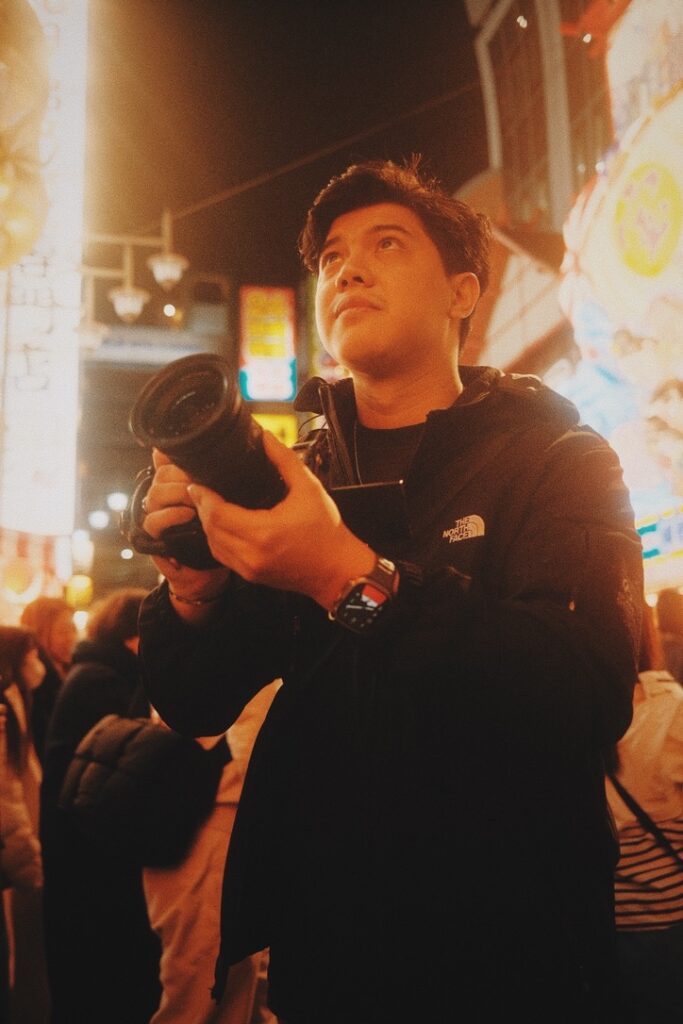
His work often sits at the intersection of creative vision and technical orchestration, where wireless reliability, latency control, and crew coordination must all work together in real time.
The Project: A Full-Capacity Live Concert
The project took place at SM MOA Arena, one of the largest indoor venues in the Philippines, designed to host up to 15,000 people. The production unfolded over three consecutive days, beginning with a full day of technical preparation, followed by two days of live event production inside the arena.
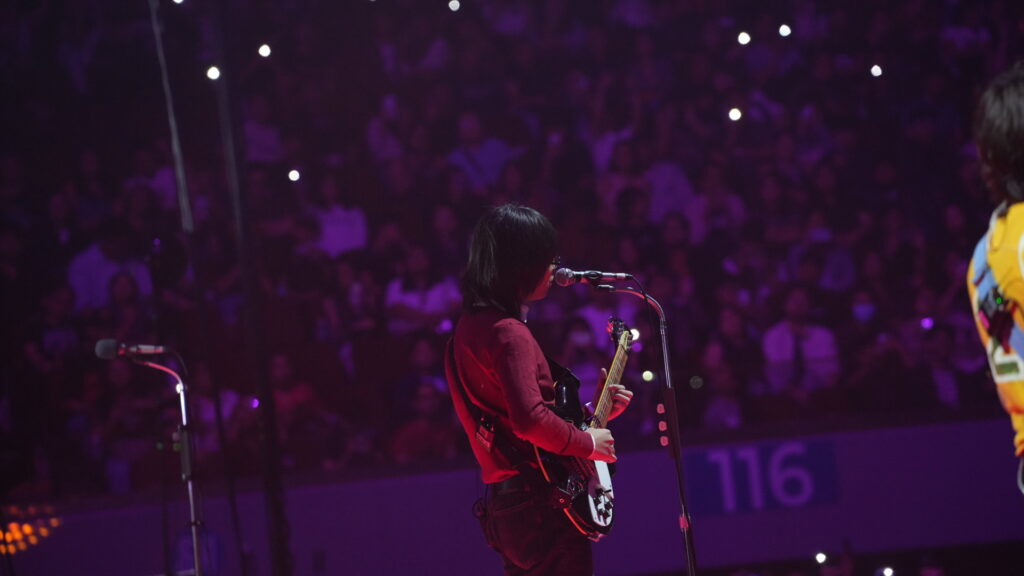
Even without counting exact attendance numbers, the environment itself posed a significant challenge for wireless systems. A large enclosed space, multiple camera teams moving across the venue, and performers using their own wireless devices all contributed to a dense and complex RF landscape.
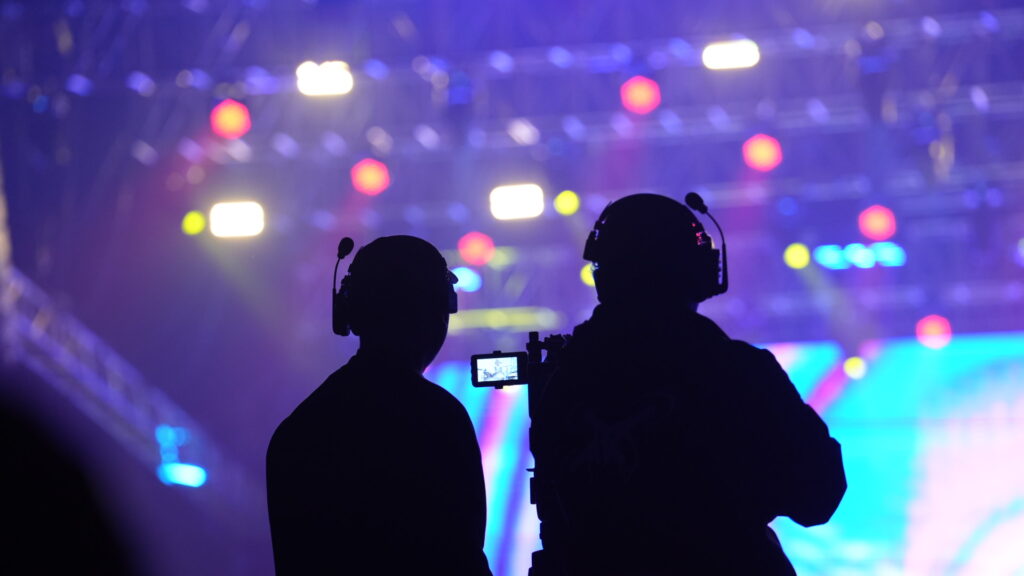
From technical rehearsals through the final encore, every department relied on uninterrupted communication and real-time coordination. In a venue of this scale, maintaining stable connections and responsive workflows was essential to keeping the production running smoothly from start to finish.
The Setup
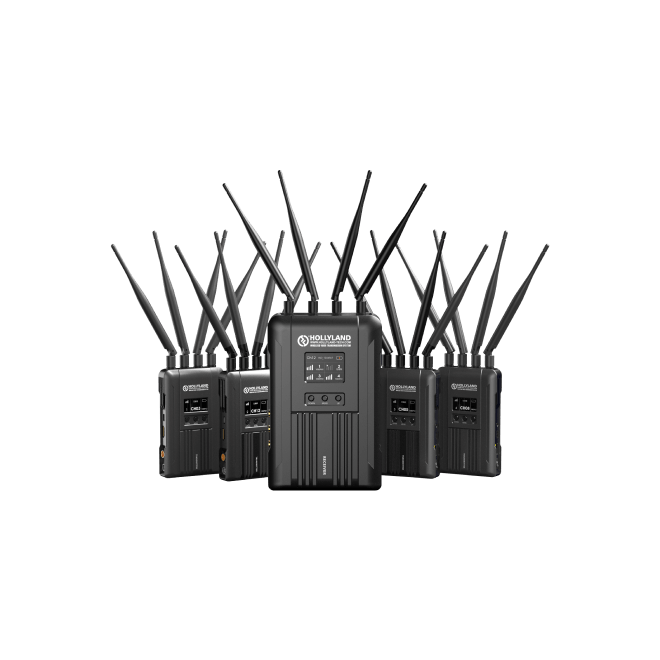
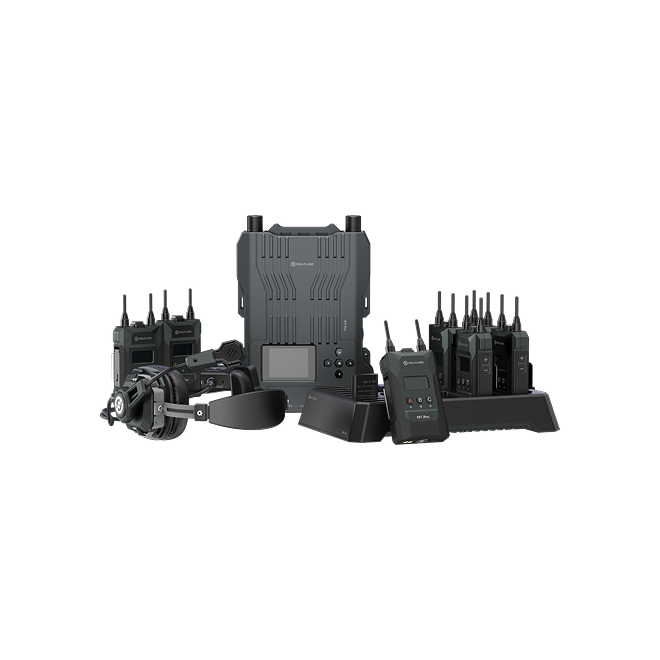
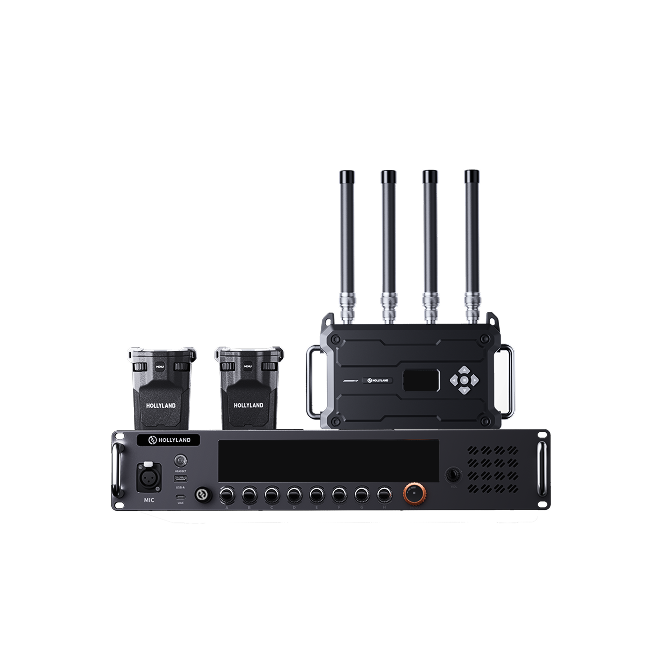
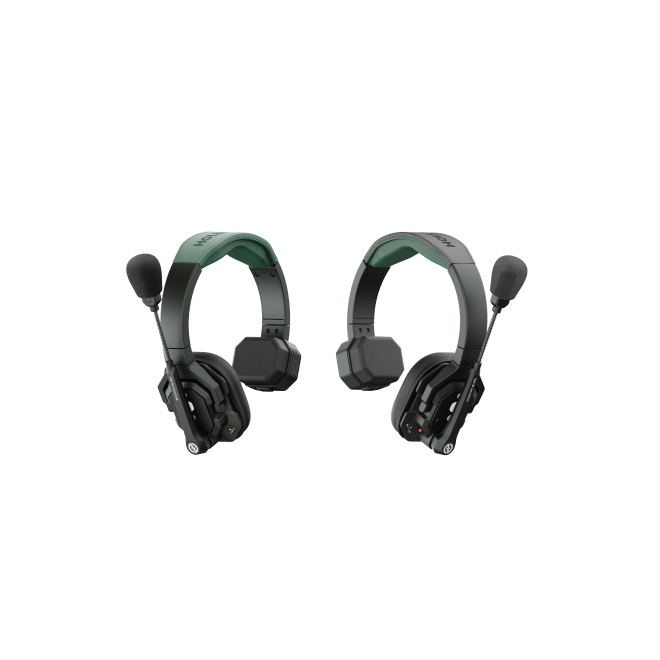
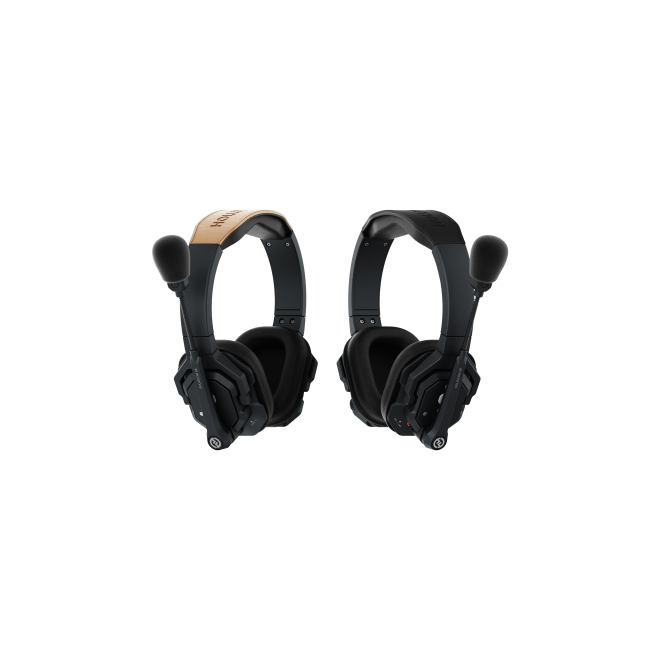
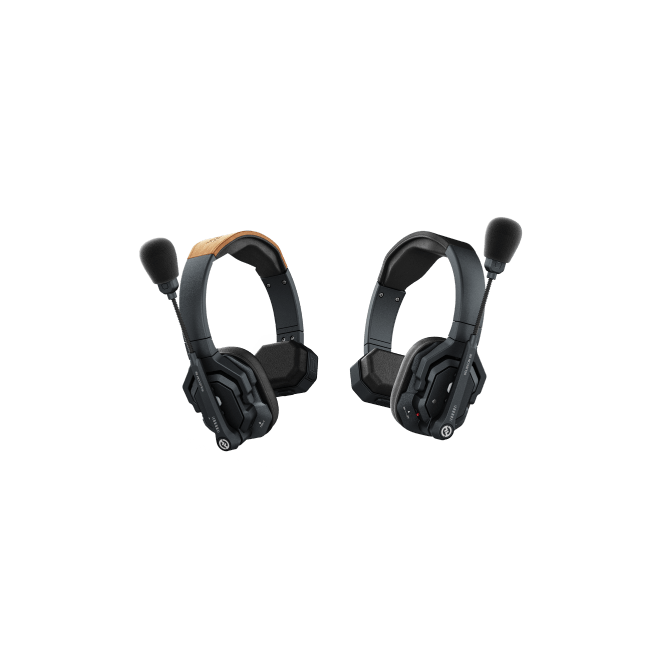
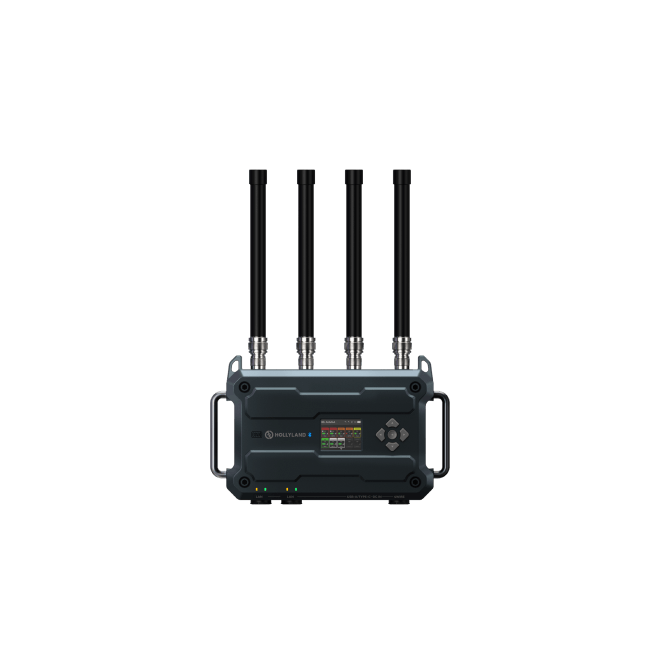
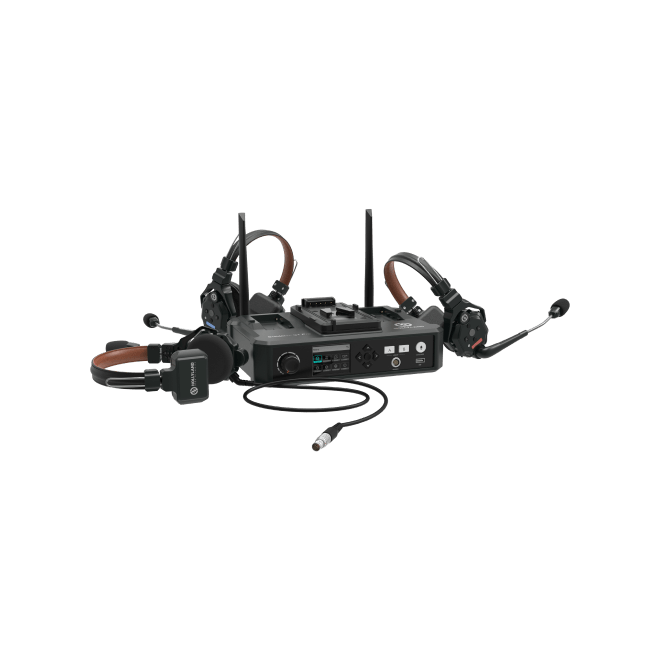
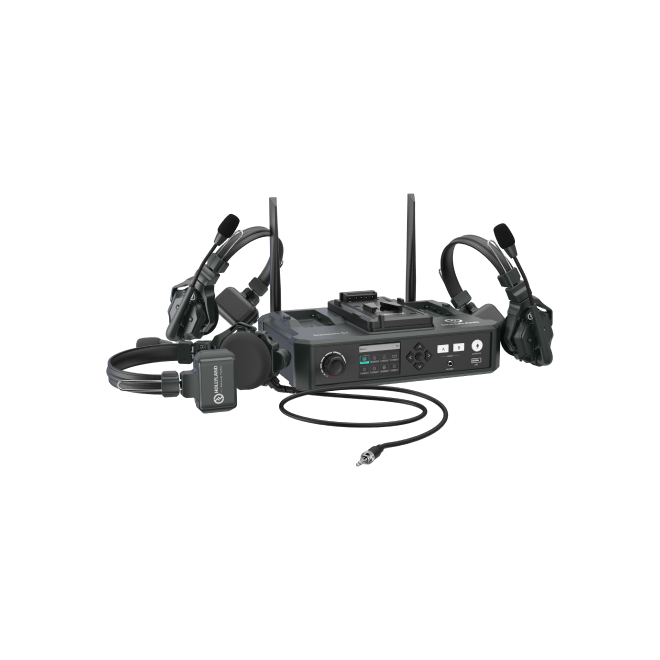
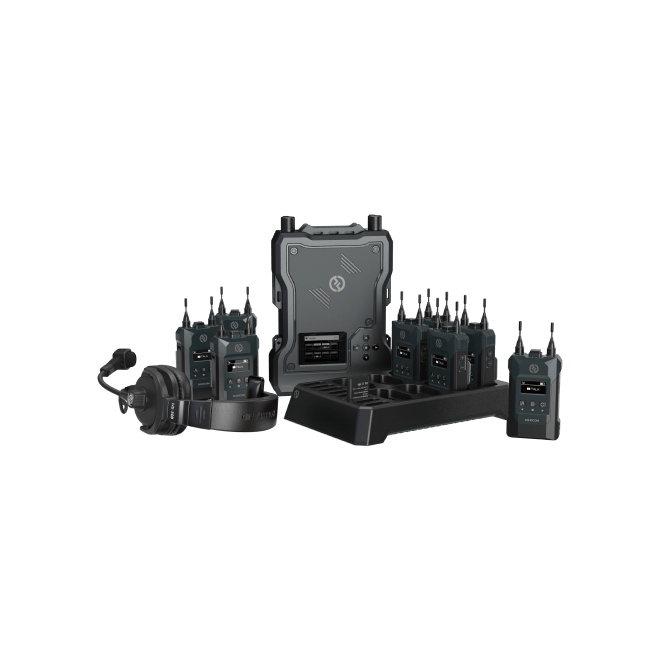
Hollyland gear was deployed across both communication and video workflows to support the scale and complexity of the live concert. Solidcom C1 with Roaming Hub formed the backbone of crew communication, with all 20 remote headsets enabling seamless coordination across the arena as team members moved between FOH, stage, and backstage areas.
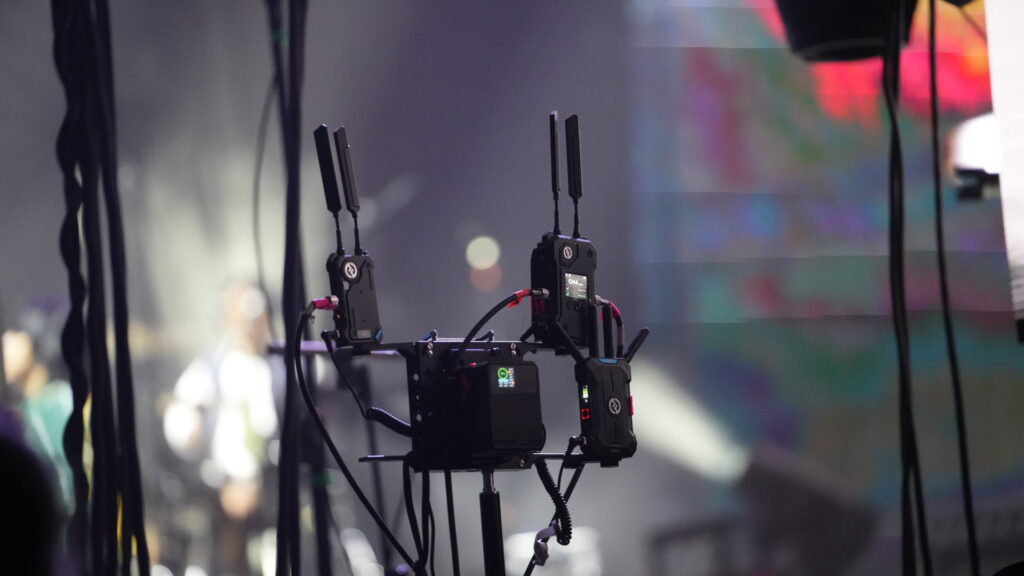
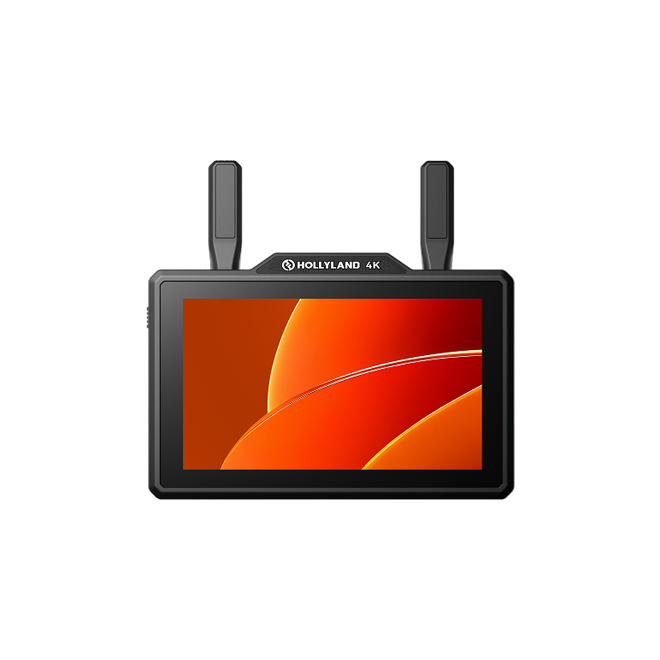
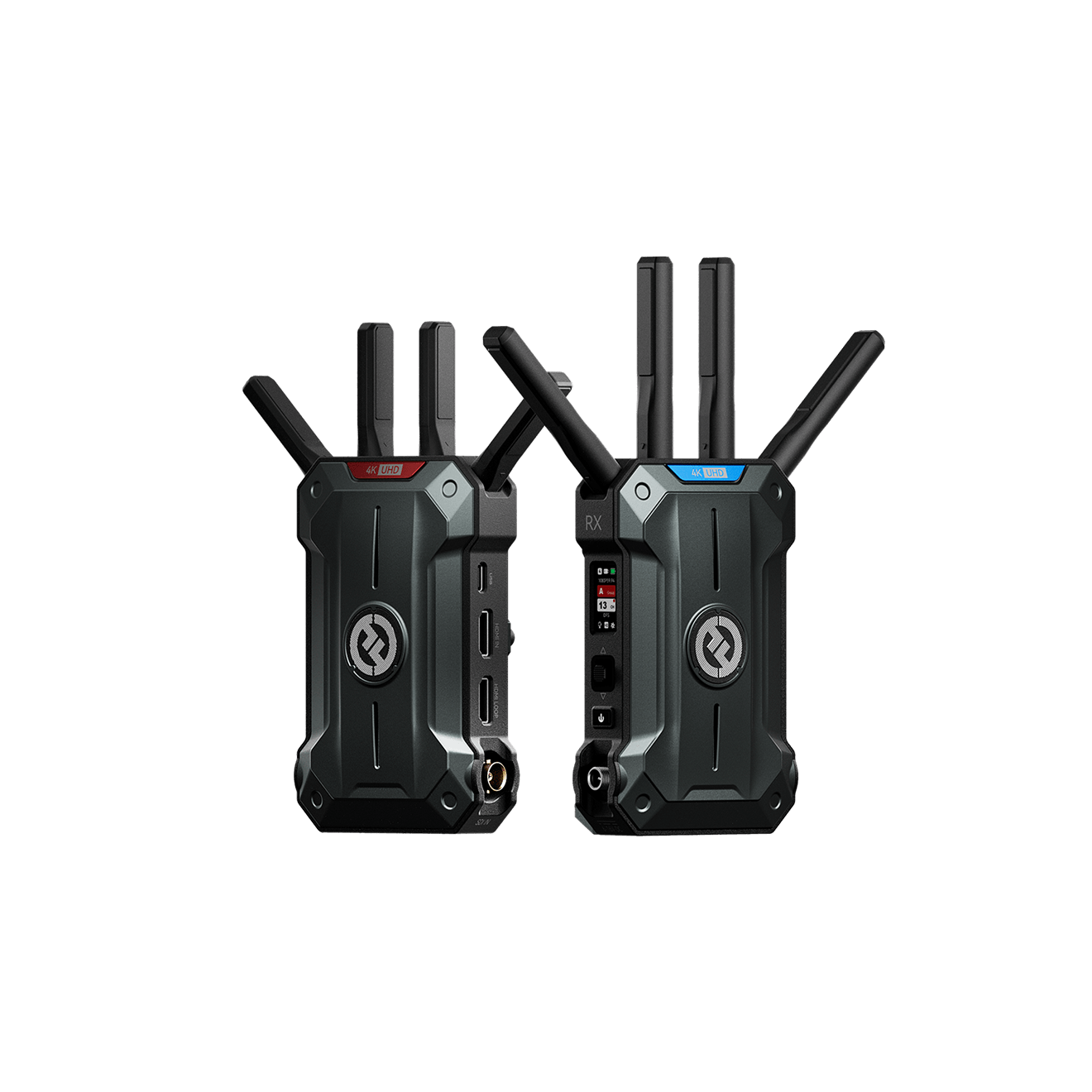
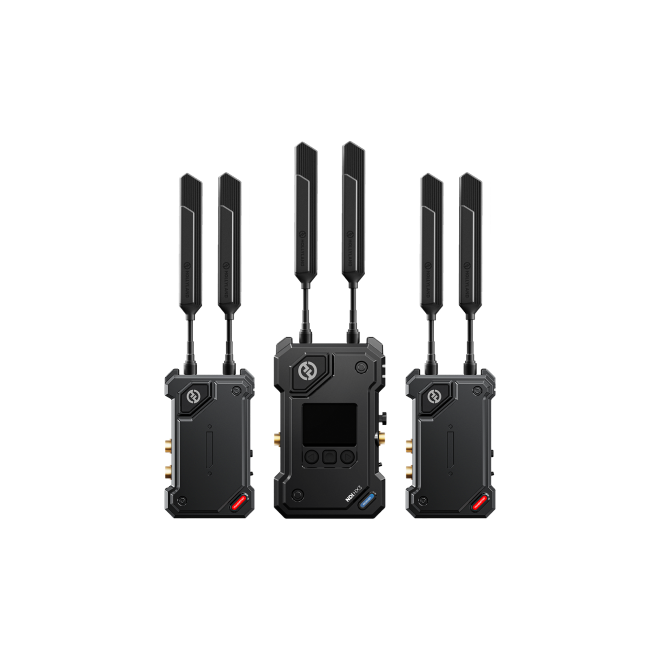
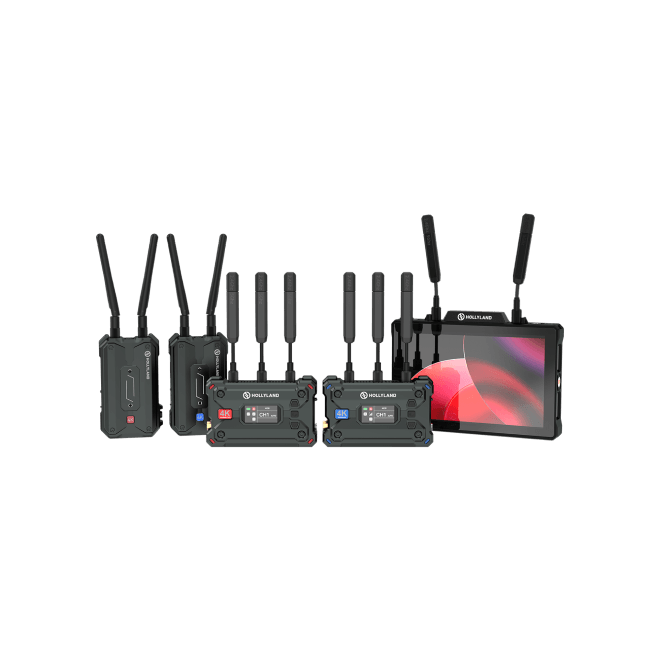
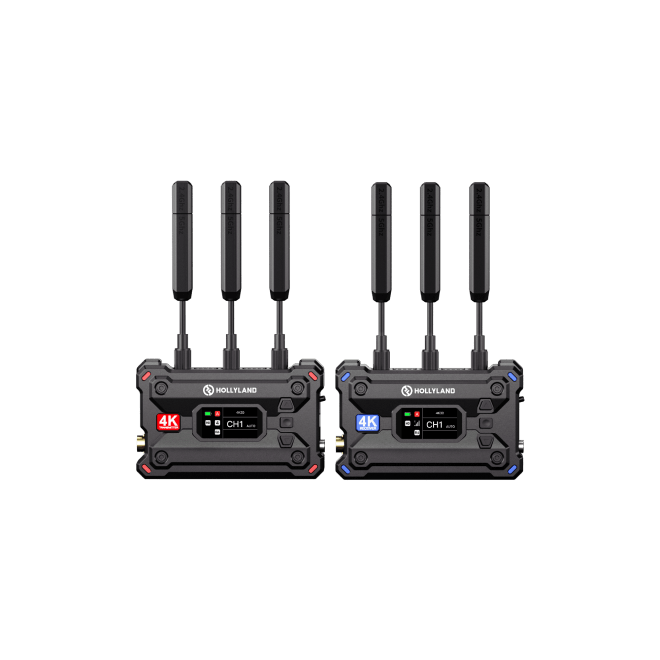
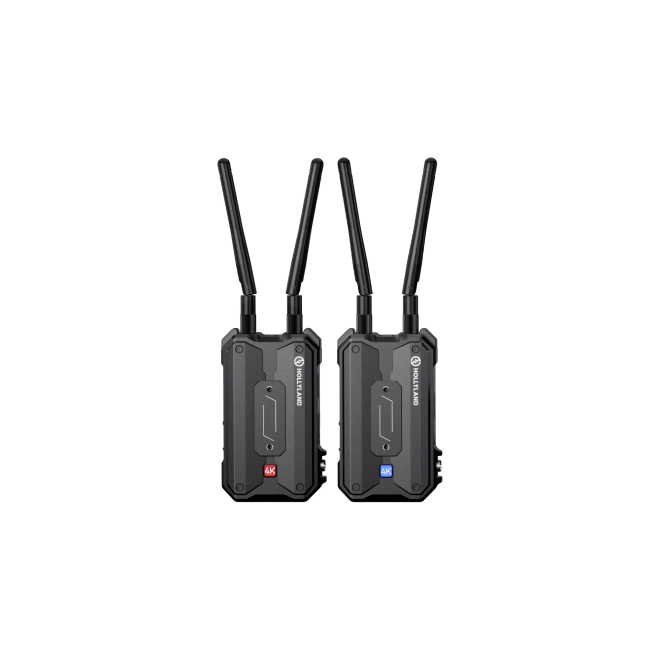
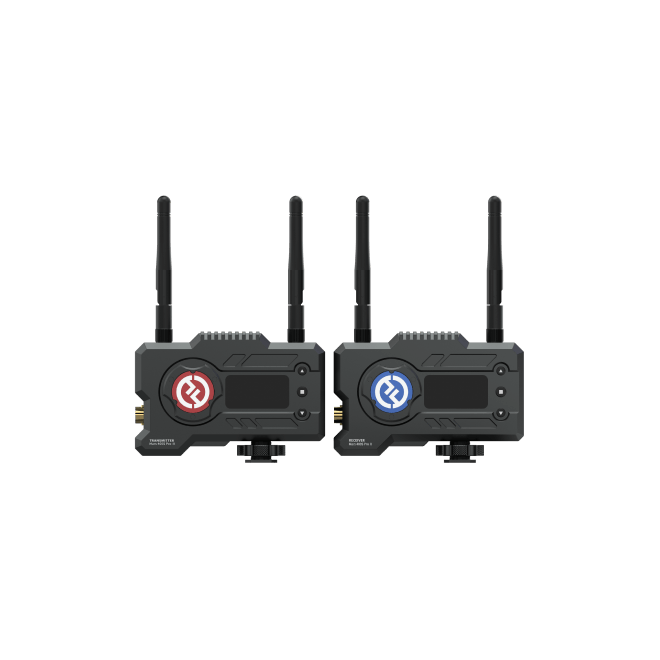
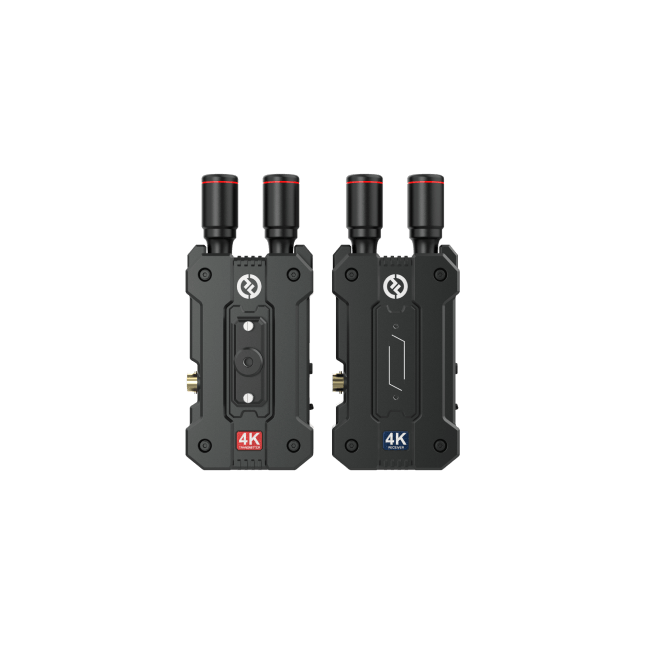
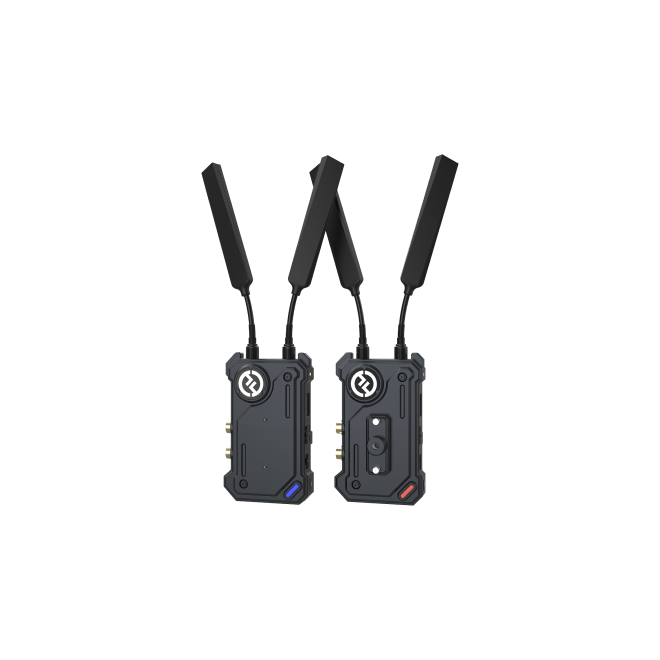
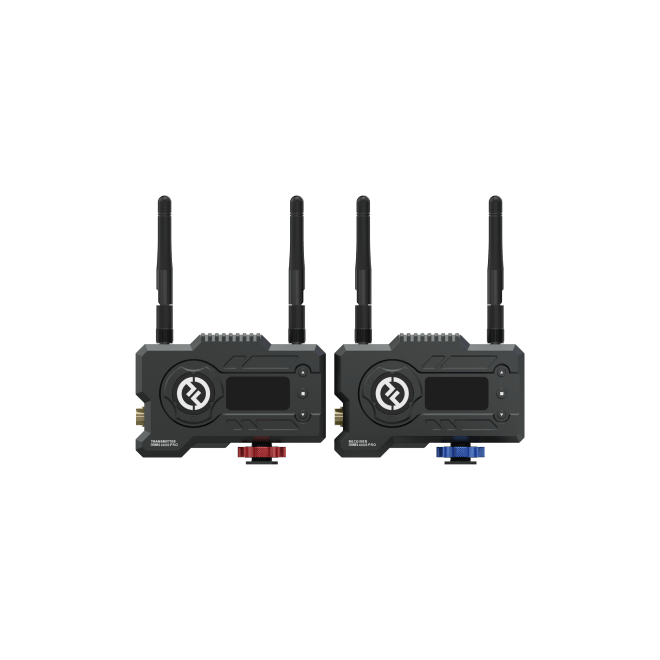
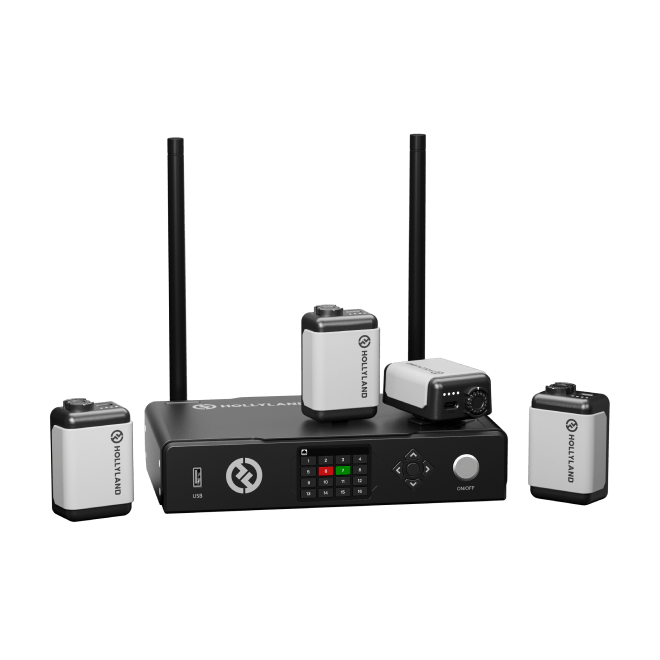
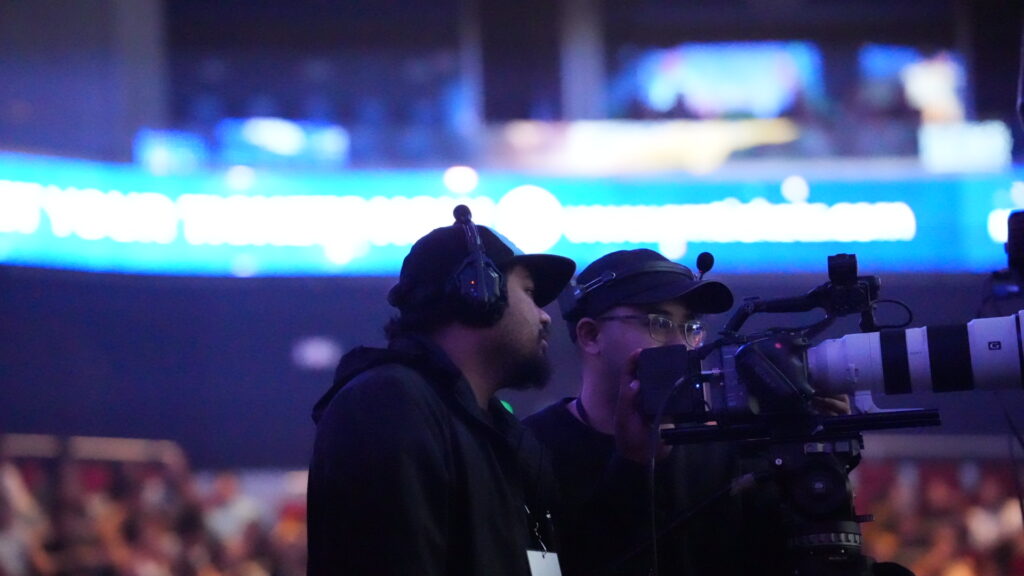
For video transmission, Cosmo systems were integrated into both mobile and fixed camera setups. Cosmo C2 units supported roving camera operators, allowing them to move freely throughout the venue while maintaining stable, low-latency feeds for live direction. At the same time, Cosmo C1 systems handled on-stage and side-stage cameras, ensuring consistent visual signals for switching and monitoring.
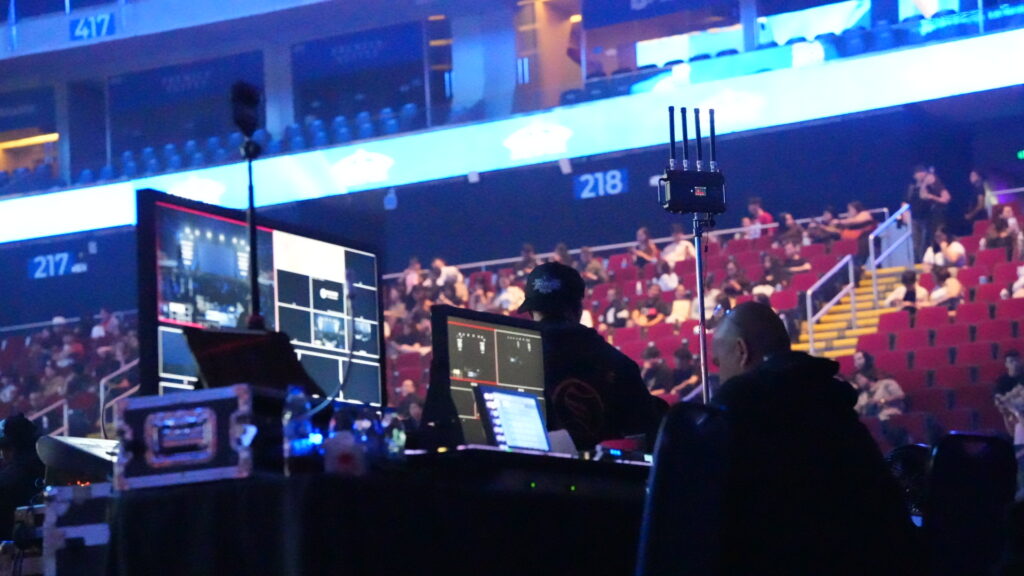
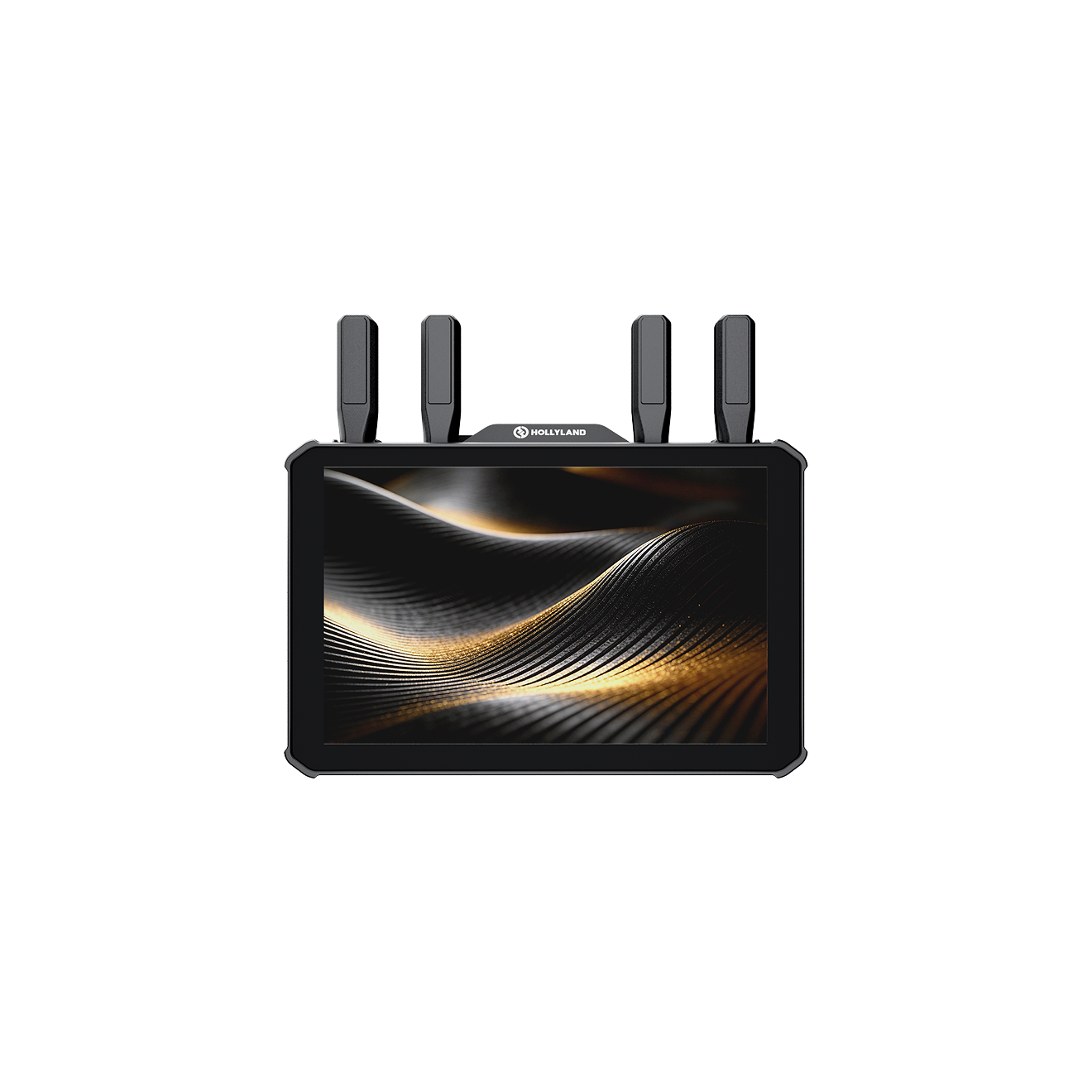
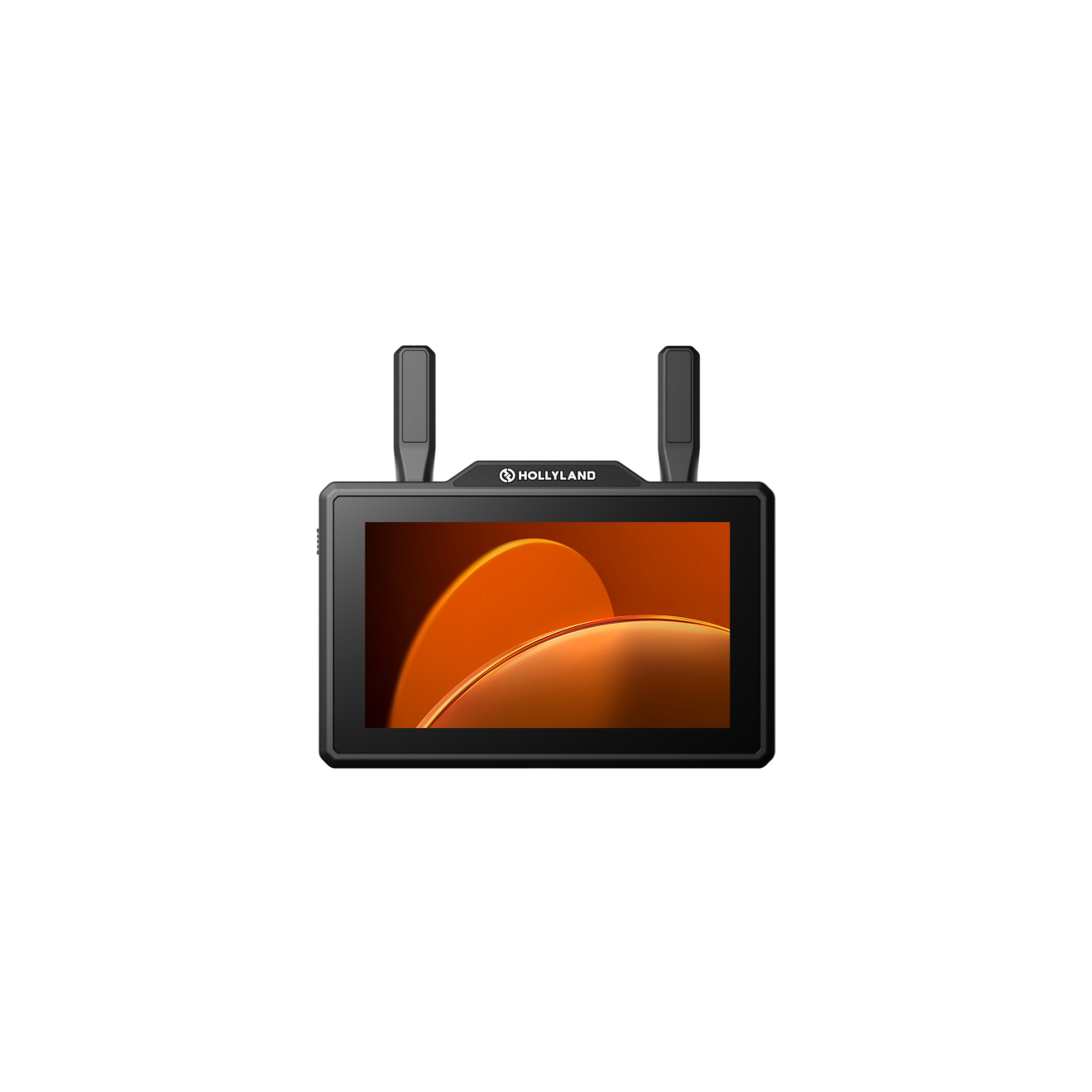
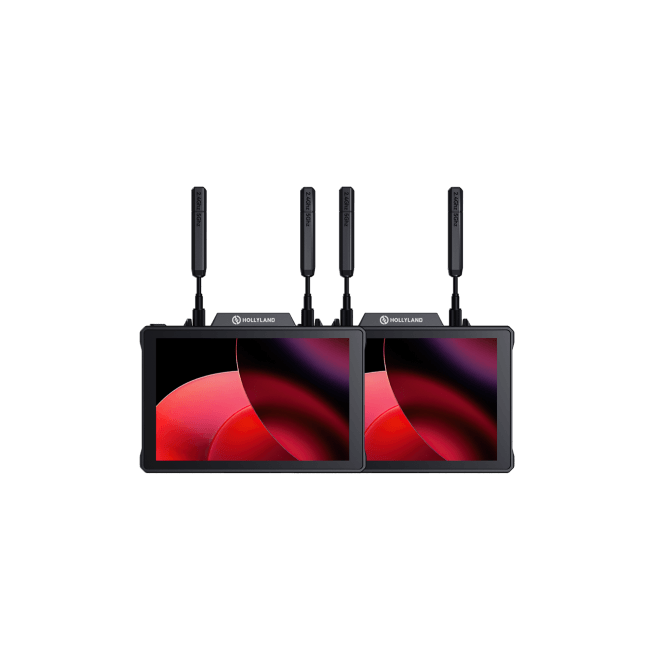
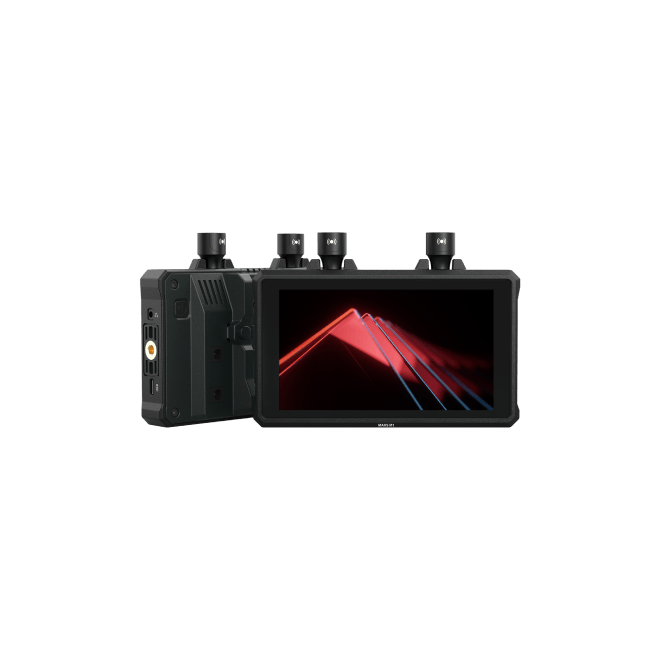
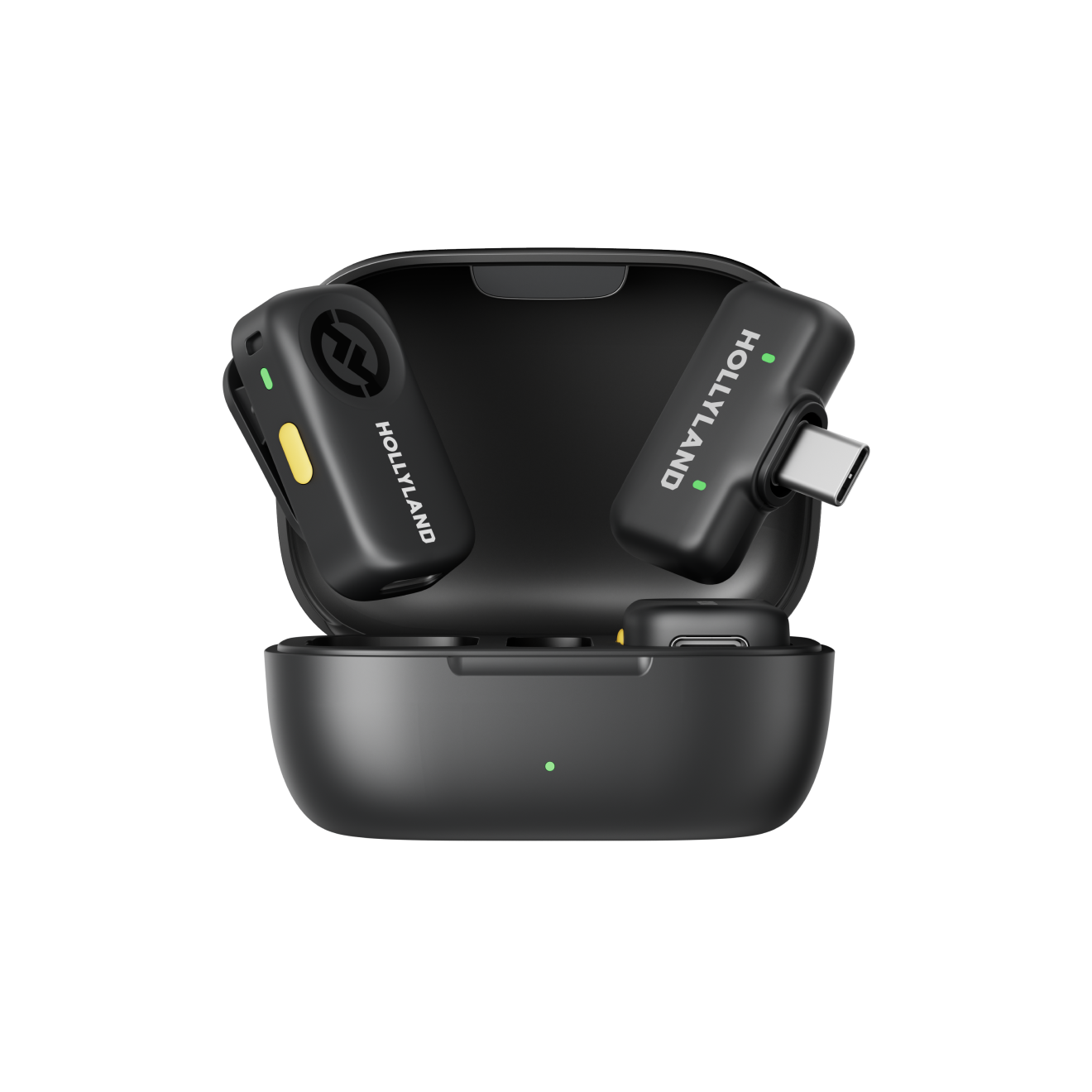
During the live show, the workflow was further expanded with Pyro 5 monitors and Lark Max units, supporting specific in-camera setups and on-site monitoring needs without adding unnecessary complexity to the overall system.
Why Hollyland
In live production, Kobi sees a clear gap in the market. Consumer systems often fall short under professional pressure, while traditional broadcast-grade solutions can be prohibitively expensive and complex. Hollyland stood out by offering professional-level performance at a cost that made sense for real-world productions.
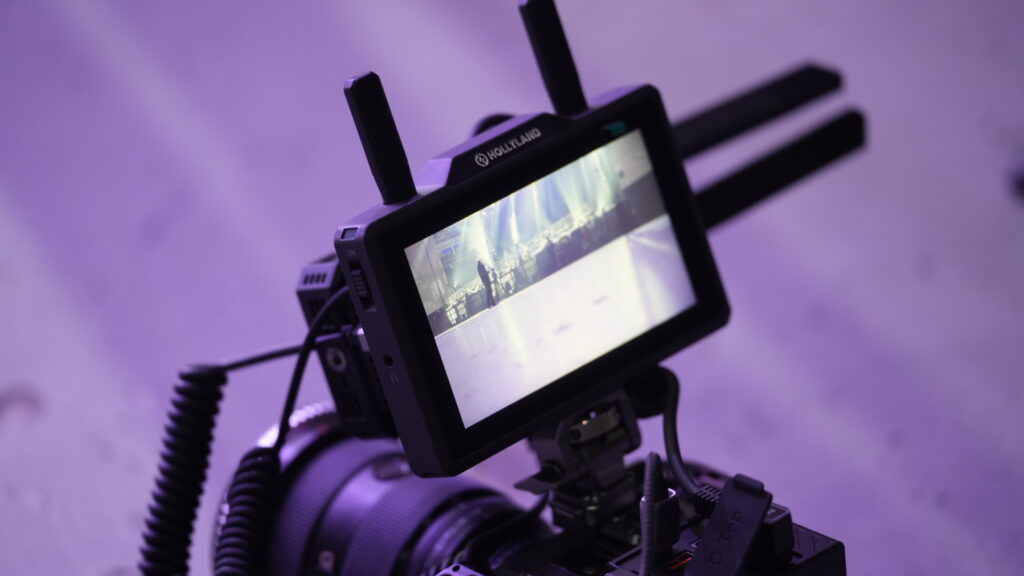
“Cost matters. There’s a huge gap between consumer, prosumer, and professional systems. Hollyland helps bridge that gap without sacrificing reliability.”
Signal stability, operating range, battery life, wearing comfort, ease of use, and seamless roaming were all critical factors. For Kobi, these aren’t optional features but baseline requirements for managing large-scale live events.
Solving Real-World Live Production Challenges
Throughout the concert, the Solidcom C1 Roaming Hub system proved to be central to keeping the production moving. A single hub supported up to 20 remote headsets, allowing directors, camera operators, stage managers, and technical crew to stay connected across the arena. With six communication groups available, teams could coordinate within their own channels while still staying aligned with the broader production flow. This level of flexibility was critical in a live environment where blocking, camera positions, and cues often change on the fly.

Clear audio and effective noise control ensured that communication remained intelligible even in loud backstage areas and FOH positions. Crew members were able to move freely across the venue without worrying about handoffs or signal drops, making real-time adjustments faster and more confident.

At the same time, Hollyland’s wireless video transmission systems handled the visual side of the workflow. Cosmo C2 delivered stable, low-latency feeds at around 33 ms, supporting roving cameras that needed to stay responsive while moving through the crowd. For fixed positions on stage and at the sides, Cosmo C1 systems provided reliable transmission with seamless frequency hopping, maintaining consistent video links even under heavy RF congestion caused by audience and performer devices.
A System That Scales With the Show
What stood out most was how naturally the system scaled. Whether coordinating a live concert, managing a studio shoot, or handling outdoor music video production, the same core requirements applied: stability, compatibility, and speed.
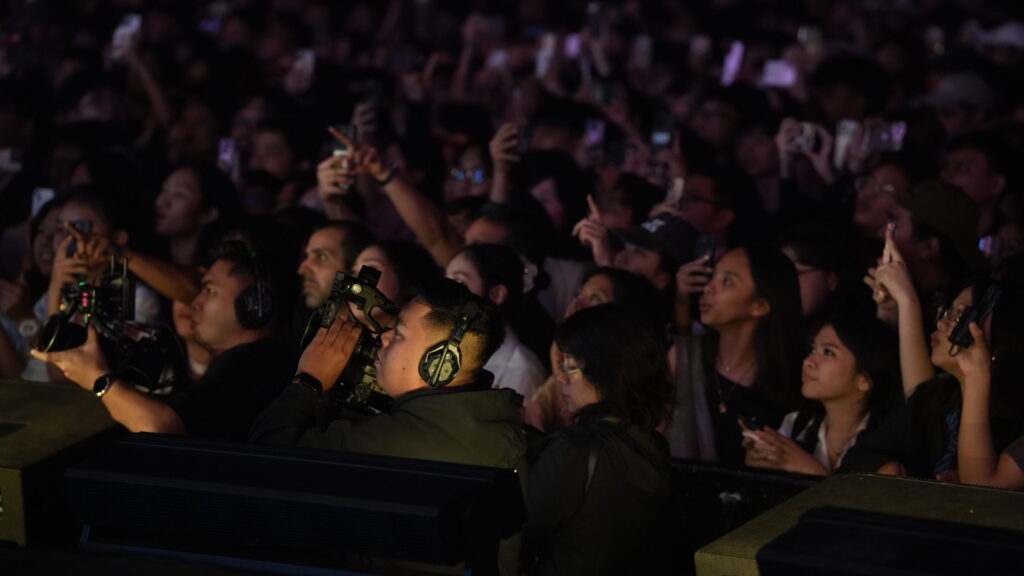
“All the features matter. Not just for live events, but for studio and outdoor shoots too. It’s about handling the entire technical picture, not just one role.” The ability to rely on a single wireless ecosystem across different production types reduced friction, simplified planning, and made it easier to deliver consistent results to clients.
Takeaways
For Kobi Gonzales and his team, Hollyland products proved themselves in one of the most demanding scenarios possible: a full-capacity live concert in a major arena.
By combining reliable wireless intercom, stable long-range video transmission, and a cost-effective professional ecosystem, Hollyland helped the crew stay connected, responsive, and in control throughout the entire show.
In live production, the audience sees the performance. Behind the scenes, success is built on communication, coordination, and trust in the tools. Hollyland delivered all three, letting the team focus on executing the show rather than managing the signal.


Subscribe us
to get the latest news!


