





.png)
 简体中文
简体中文 
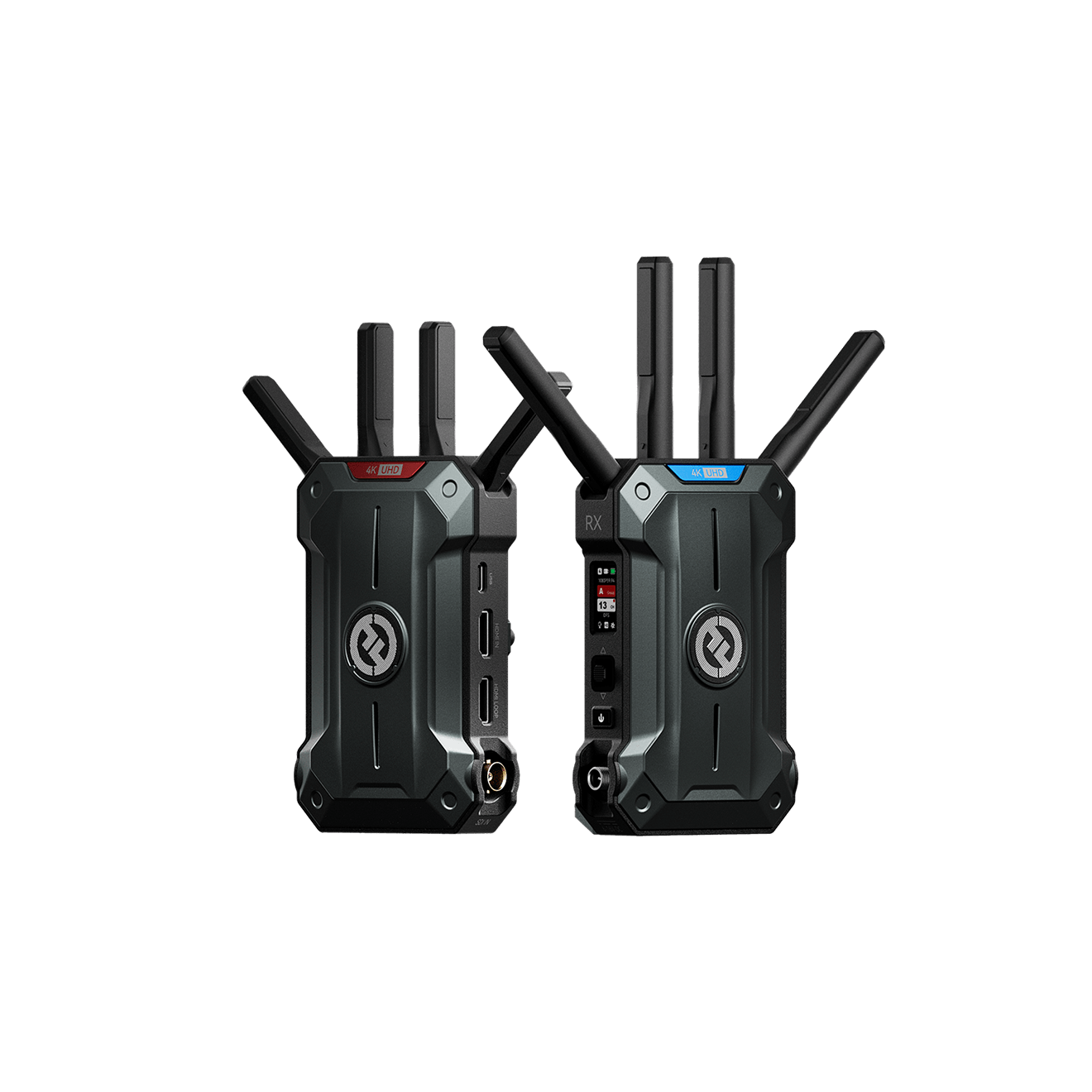
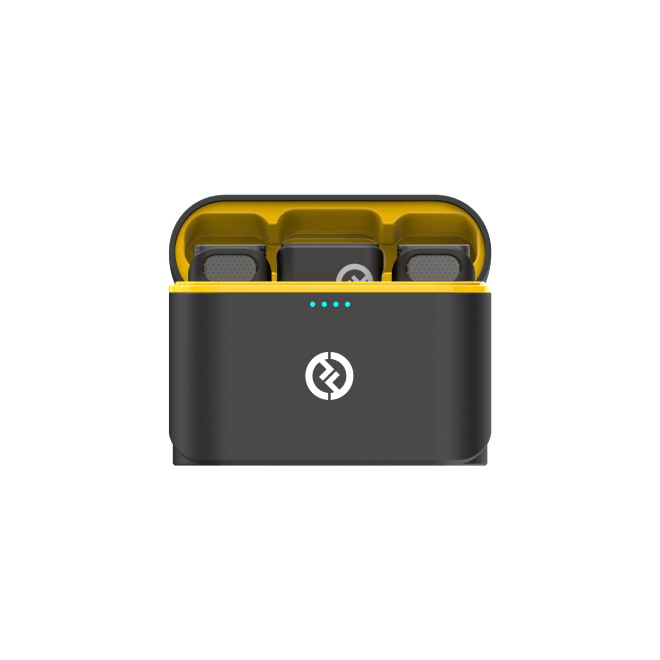
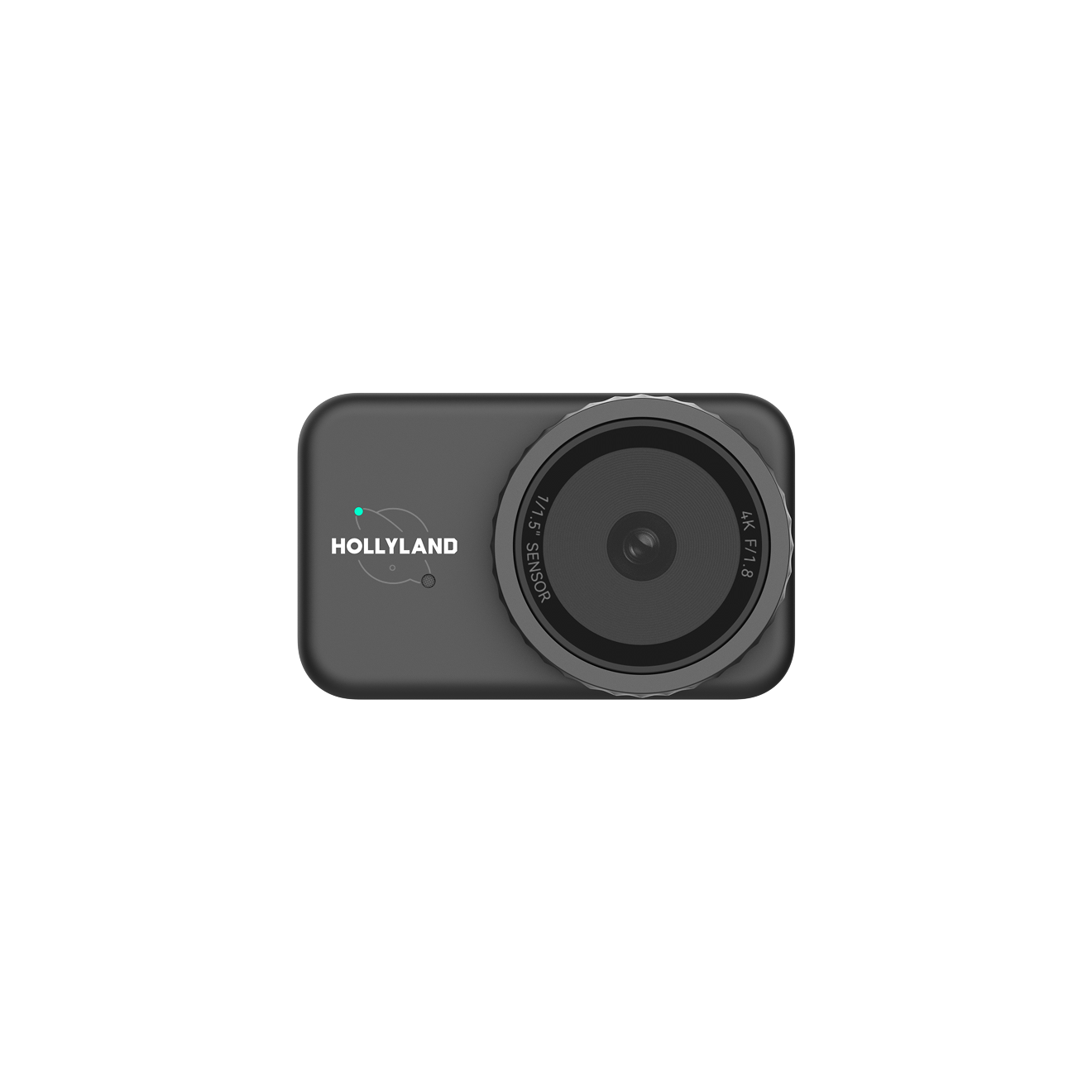
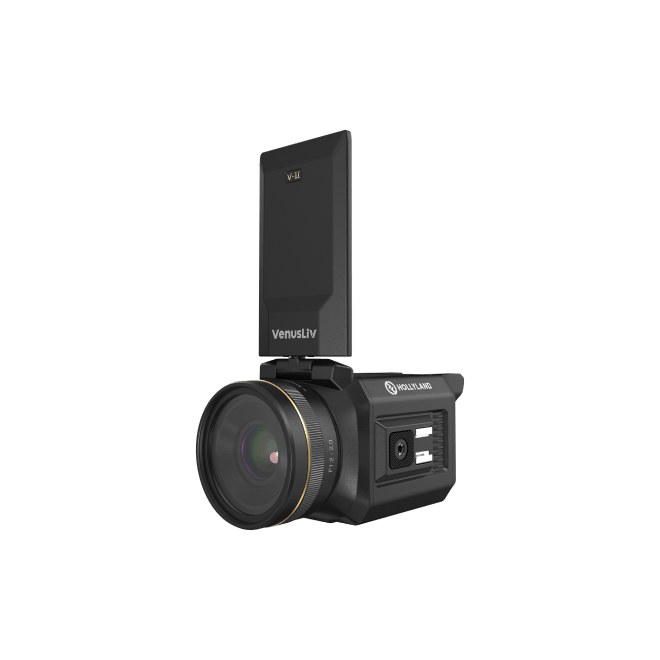
You hear the word 4K everywhere, but what does it really mean? Simply put, 4K is a video standard that delivers sharper, more detailed images to your viewers. To stream in ultra-high definition smoothly, you’ll need sufficient bandwidth, which depends partly on your streaming setup. Tools like the Hollyland VenusLiv Air, with 24/7 live streaming and clear 4K at 30fps video quality, make it easier to keep your broadcasts consistently clear. In this article, we’ll break down what bandwidth means and how much you need for a reliable 4K stream.
Understanding Bandwidth for 4K
Bandwidth is the rate at which data moves across your internet connection. It is often described as the capacity or “lane size” of your network. The wider the lane, the more video information it can carry without interruption. For 4K streaming, bandwidth becomes even more critical because ultra-high-definition video demands a steady and significantly larger stream flow than lower resolutions, such as 720p or 1080p.
Recommended Bandwidth for 4K Streaming
Pixels are the tiny dots that form the images you see on a screen, and 4K simply means you’re working with close to 4000 horizontal pixels. To stream at this level of clarity, you need strong and steady bandwidth. A bandwidth of around 100 Mbps is recommended for smooth 4K livestreaming. Anything less and you may experience buffering, lag, or pixelated video quality.

How to Achieve 4K Streaming Quality
- Plug into Ethernet (not Wi-Fi)
- Use a wired connection for the stream. Plug a CAT5e/CAT6 cable from your PC into the router/switch. This is because wired connections are more stable and reduce sudden dropouts.


- Close background apps and pause updates
- Quit cloud backups, software updaters, large downloads, VPNs, and any apps that use upload bandwidth because they silently eat bandwidth and CPU cycles.

- Run a quick stability check.
- Run 2–3 short tests (speed/stability) at different times, or use a simple upload test to confirm the connection stays steady. Repeat if you see spikes.
A Consistent connection matters more than a one-time peak.
- Run 2–3 short tests (speed/stability) at different times, or use a simple upload test to confirm the connection stays steady. Repeat if you see spikes.

- Set your streaming software to 4K (3840×2160) & 30fps
- In your encoder/software settings: set Base (Canvas) Resolution and Output (Scaled) Resolution to 3840×2160, and set Frame Rate to 30 fps (4K 60fps is much heavier).
- Use a hardware encoder if available (such as NVENC, QuickSync, or AMD hardware encoders) to offload work from the CPU.
- In your encoder/software settings: set Base (Canvas) Resolution and Output (Scaled) Resolution to 3840×2160, and set Frame Rate to 30 fps (4K 60fps is much heavier).


- Use a 4K-capable camera or capture device.
- Ensure your camera/capture card supports 4K30 output. Set the camera’s output to 3840×2160 / 30fps in its menu. If using an HDMI capture card, verify it accepts 4K input.
- Ensure your camera/capture card supports 4K30 output. Set the camera’s output to 3840×2160 / 30fps in its menu. If using an HDMI capture card, verify it accepts 4K input.
- Choose the right encoder settings (test local recording first)
- Do a short local recording at 4K with your settings to check quality and CPU/GPU load before going live. Look for dropped frames or audio sync issues.


Conclusion
4K streaming demands a high, stable bandwidth to maintain quality. By staying within the recommended range and optimizing your setup using wired connections, closing background apps, and testing your encoder, creators can achieve smooth, professional-quality broadcasts. With the right preparation, you can confidently deliver crisp, reliable 4K streams to your audience.
FAQs
What happens if I don’t have enough bandwidth for 4K?
Your stream may buffer, stutter, or experience a loss in quality. Platforms might downgrade it to 1080p or lower, reducing the viewing experience.
Can I stream 4K on Wi-Fi?
Yes, but unstable. Wi-Fi is prone to drops and interference. A wired Ethernet connection is recommended for reliable 4K streaming.
Is upload bandwidth more important than download for streaming?
Yes. Streaming sends data out, so upload speed is critical. Poor upload bandwidth can cause lag and dropped frames, even with fast download speeds.Do all platforms support 4K streaming?
No. Platforms like YouTube support 4K, but others cap at 1080p. Always check your platform’s streaming limits before going live.