Beyond Music: 7 Life Lessons from a Top-Tier Music Producer with 20 Years of Experience
By Hollyland |
March 30, 2026
Recently, veteran Brazilian audio creator Fred Teixeira sat down for a raw, candid conversation with three giants of the Portuguese-speaking music scene. Although the central theme was music, they actually spoke about the universal dilemmas we all face. It became clear that even those at the top today started with the same doubts and stumbles as any of us. Their reflections on making a living, the importance of staying curious, and the power of collaboration bring real clarity to anyone trying to find their way in such an unpredictable world.
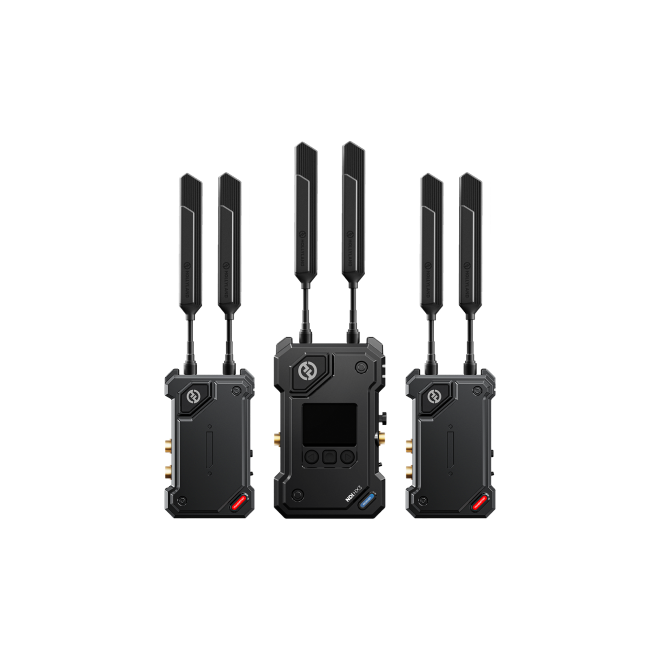
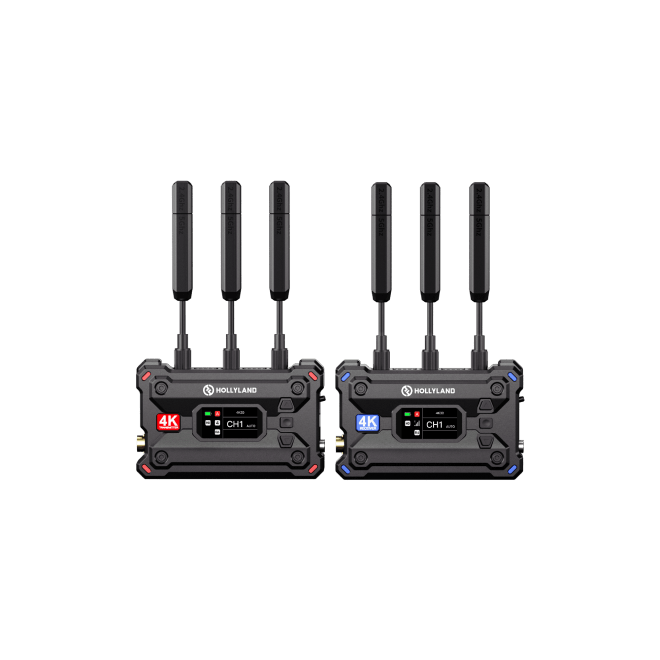
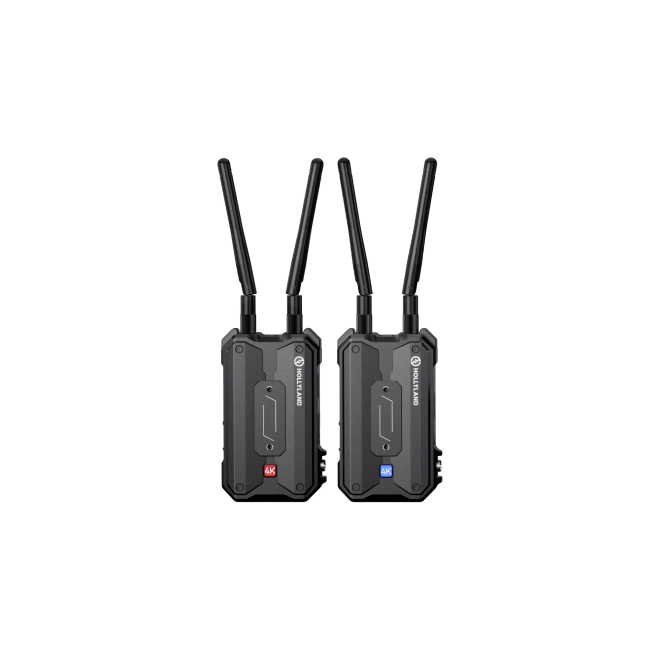
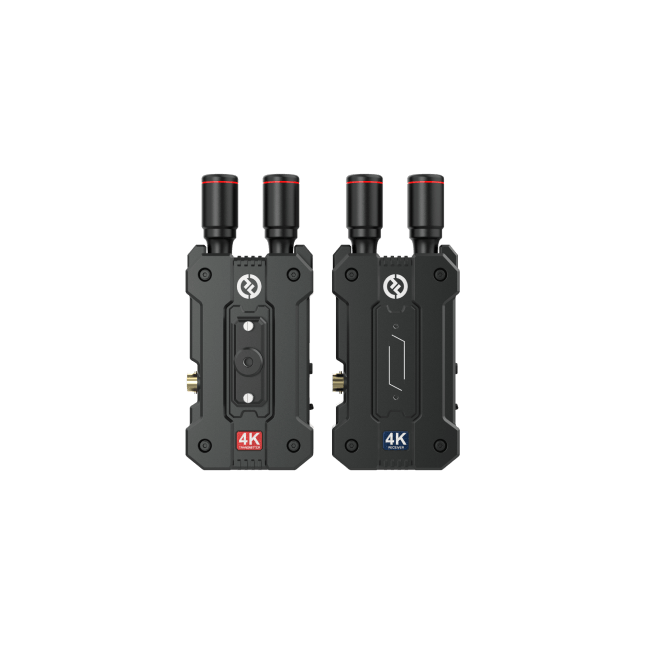
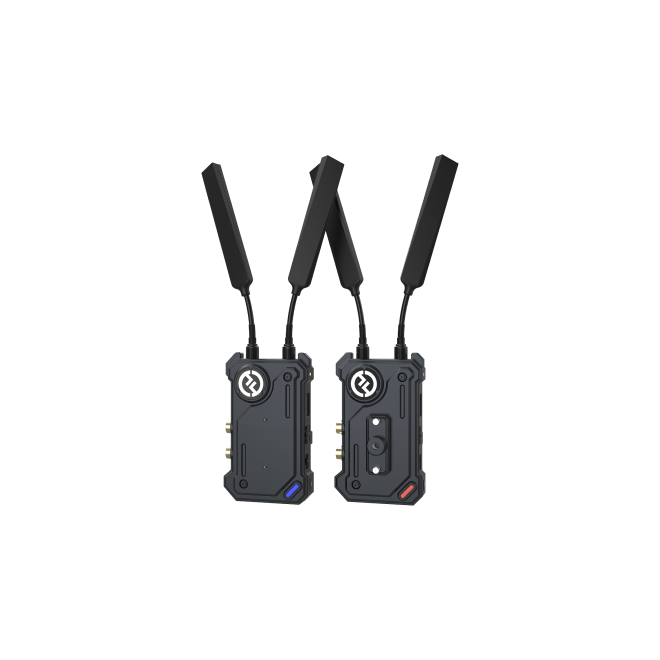
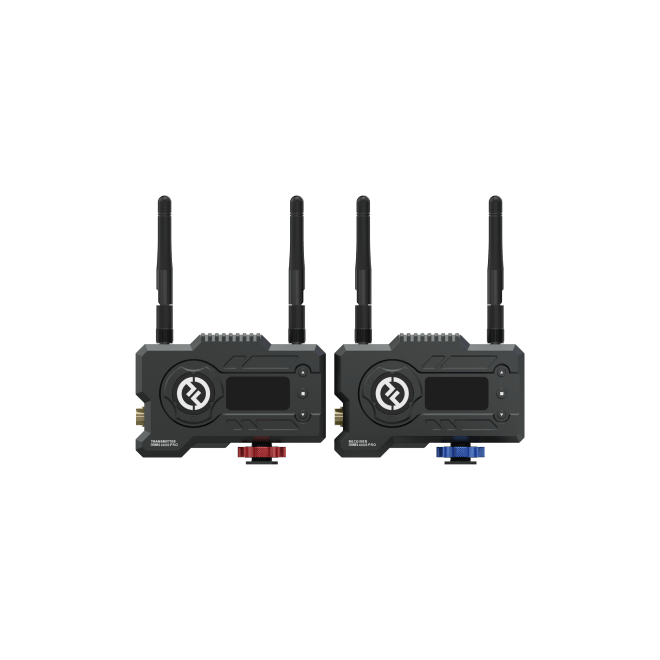
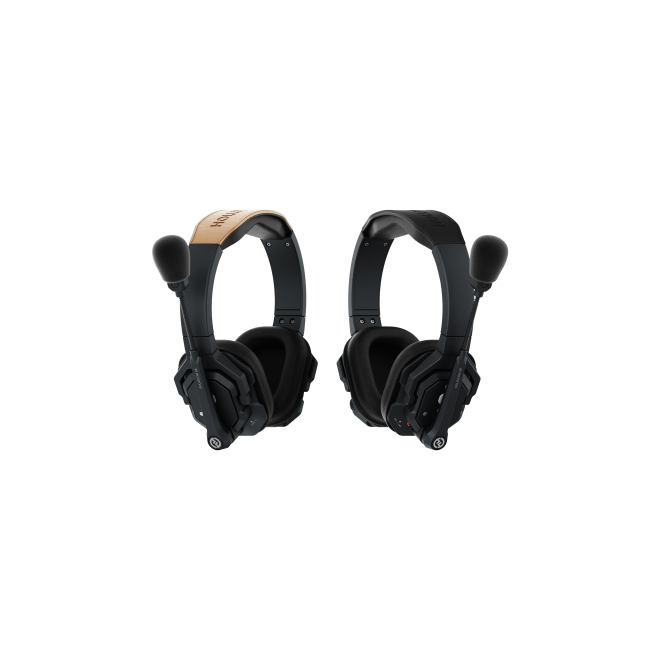
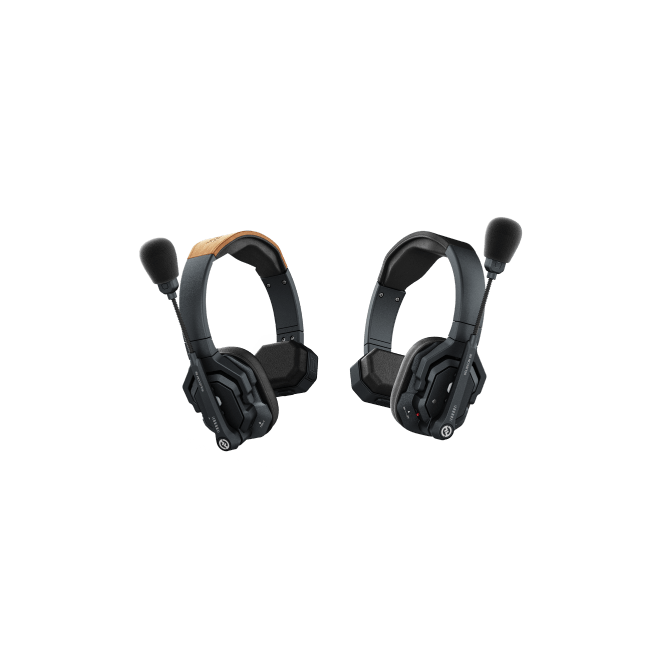
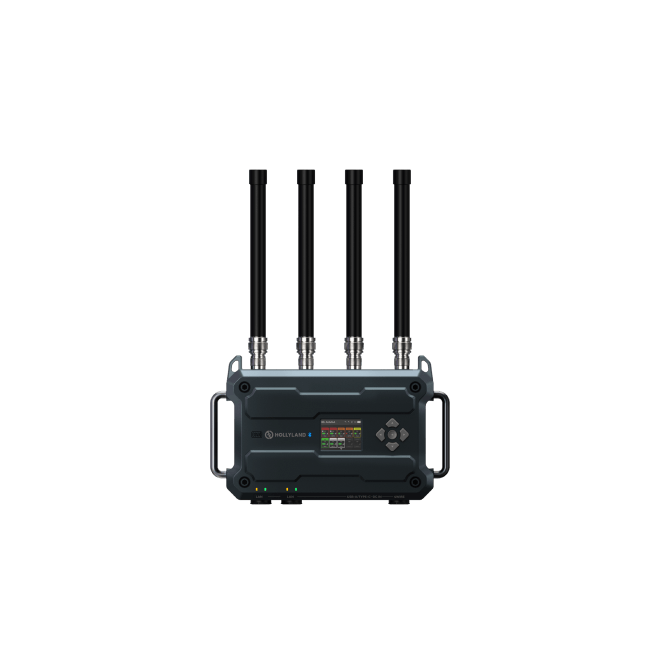
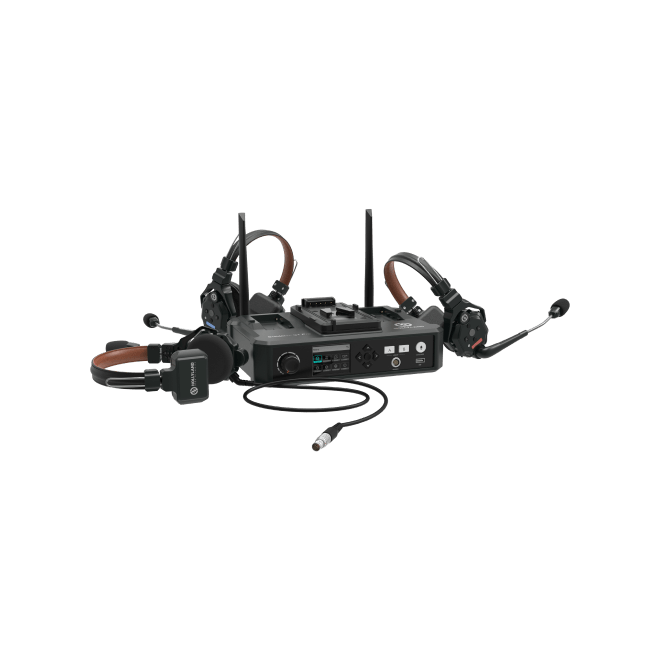
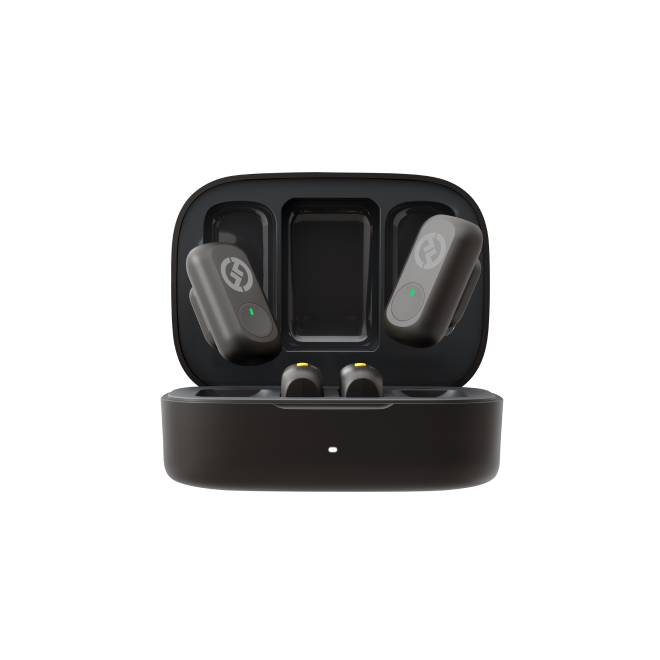
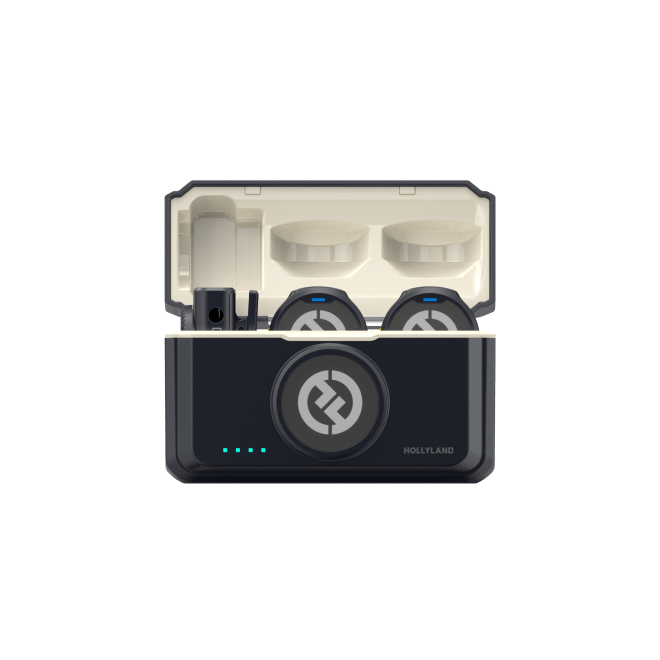
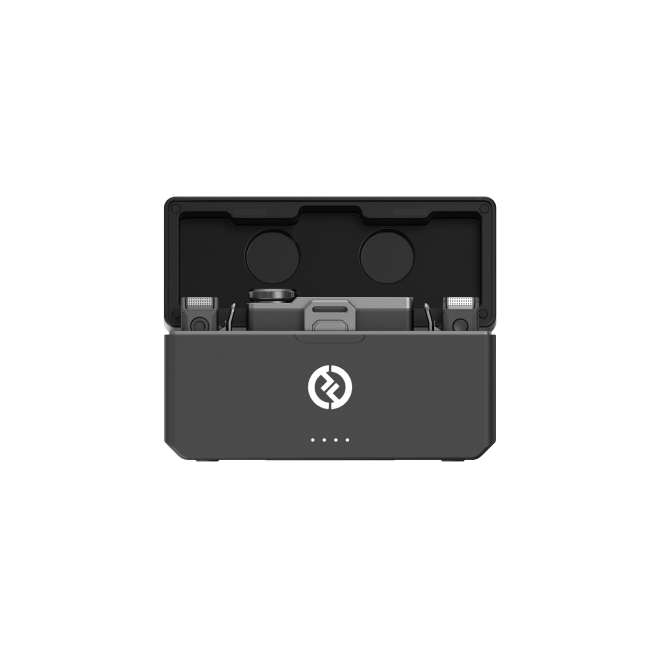
These insights aren’t just for aspiring musicians. They are for anyone at a crossroads—whether you’re choosing a career path or re-evaluating your future. The challenges may look different, but the core questions are the same. This entire session was captured using the LARK MAX 2. I believe that in this video, everyone will find a piece of their own story.
🔗 Watch the full conversation here: https://www.youtube.com/watch?v=fw0sUYhxll0
Lesson 1: Communication and Empathy
When we first start our careers, it’s easy to think that being “good at the job” just means being a technical expert. But as Vitor Pinheiro and Steh Pinkuss remind us: while technical skills are vital, this industry is, ultimately, about people. Communication, collaboration, and the sensitivity to understand those around you—these “soft skills” are what truly transform technical talent into real-world impact.
Vitor Pinheiro captured it perfectly:
“Communication is essential. Often, we know we have the technical capacity to arrange, produce, or deliver a mix—but the client also needs to feel secure through your communication that you will deliver. You have to show them that confidence and build a genuine rapport. The goal is for the client to feel positive throughout the entire journey, creating a lasting relationship. This skill isn’t just for winning clients; it’s for your relationships with musicians and colleagues. Whenever it was missing, it was deeply felt. Whenever it was taken seriously, it made all the difference.”
Vitor Pinheiro
Steh Pinkuss added:
“I fully agree with Vitor. Communication is one of the most critical aspects of our professional lives. I’d also add sensitivity. As music producers dealing with artists, I believe it’s fundamental to have the intuition to recognize the artist’s vision—what they are trying to bring to their repertoire and performance. There are times when you have to push back on their ideas, yes—but you must do it with sensitivity. Put yourself in the artist’s shoes. Stepping in front of the microphone is a humbling experience; you finally understand what a bad pair of headphones or a dismissive attitude feels like. We all get tired or have bad days, but staying empathetic toward your clients and the artists around you changes everything.”
Steh Pinkuss
Lesson 2: The Flow — Born from Focus and Listening
Staying sensitive isn’t easy in an age of constant digital noise and smartphone distractions. Real impact only happens when we truly show up—by listening deeply and losing ourselves in the process. As Du Gomide put it, when you are fully present and focused, your work stops being a “process” and starts becoming an instinct. Du Gomide noted:
“I think the most important thing I see is presence—being truly present in the process. It makes you more attentive to what the person is saying and feeling. Listening is vital, isn’t it?”
It’s in that space of deep focus where “flow” finally finds you.
Lesson 3: Money as Fuel: Confidence and Growth
Du Gomide shared:
“I think the biggest shift when the money started coming in was the confidence of knowing I could handle different types of gigs. I could take on a style I’d never worked with before because I knew I could study it and deliver. Since the job landed with me, I handle the process more calmly. Buying better gear matters too. You listen to a track from five years ago, then listen to one from today, and you realize: ‘Money makes a difference in the studio.’ I’m getting better; the quality is improving. That’s what it’s about. Confidence.”
Du Gomide
For a young professional, the real value of money is simple: it’s market validation. It’s the proof that your work has value. Confidence isn’t born overnight; it’s built, bit by bit, through that steady rhythm of delivering results and getting paid for them.
Once the bills are covered, the real magic happens in how you use the rest. Whether investing in better equipment or, more importantly, betting on your own future, every dollar spent wisely makes you more valuable. It’s not just about accumulating wealth; it’s about creating a cycle where your growth and your earnings finally begin to feed each other.
Lesson 4: Learning for Pleasure
“In those periods when I have a bit more free time and I’m listening to things just for pleasure—sometimes studying things unrelated to music—it seems like everything that has no direct link to the job ends up feeding the work itself. It’s a curious thing.”
As Vitor Pinheiro observed, when creativity becomes your daily job, inspiration and passion will eventually run out. It’s easy to slip into a mechanical routine, going on autopilot just to meet deadlines. Sometimes, by stepping outside your professional bubble and exploring things purely for fun, you give your brain room to breathe. That’s often when inspiration quietly returns—in a state that is truly relaxed and joyful.
Lesson 5: Fundamentals in the AI Era
With AI everywhere and information just a click away, do we still need to master the basics? Vitor Pinheiro’s answer is a firm “Yes.” Solid fundamentals aren’t just about knowing facts; they are about the ability to diagnose problems and make split-second judgments—the one thing AI can’t do for you. As Vitor explained:
“There are certain problems that crop up during a session that, if you have those fundamentals, you can diagnose very easily—whether technically or musically. Like, ‘this note doesn’t fit because it’s the fourth degree of the major chord.’ You’re making a melody that doesn’t necessarily fit… so, I think these fundamentals are vital. People should really strive for mastery there.”
Lesson 6: Question and Listen
Steh Pinkuss said:
“Studies show that the brain isn’t fully formed until age 25, which often goes hand-in-hand with this feeling of revolution—this idea that everything being done is the same and ‘I want something new.’ I think we should embrace that feeling, but as Vitor said, we must be careful not to dismiss those who have already moved past that stage. It’s a beautiful thing to have questions and to challenge people who have been in the market longer, but dismissing them is a major oversight. There is a real reason why things are the way they are.”
In the age of AI and instant social media, learning has never been easier. But that ease can sometimes lead to a lack of respect for those who came before. While questioning the status quo is a vital part of growth, it shouldn’t turn into a dismissal of experience.
As Steh points out, that youthful “rebellion” is what drives the industry forward—but only if it’s paired with the curiosity to understand why things were built the way they were. True progress isn’t about tearing down what exists; it’s about listening, learning, and then building something even better.
Lesson 7: Independence and Collaboration
Du Gomide said:
“You produce alone, everyone produces alone now. We used to produce together much more, didn’t we? It’s not that we don’t do it anymore, but I think when we join forces with others to produce, man, everyone teaches each other something, and that really accelerates the process.”
The ‘one-person team’ is the reality of our era—it’s powerful, but it can also be lonely. Creating alone is indeed efficient and free, but it can easily lead to an information cocoon. Occasionally working together allows us to gain new information, fresh perspectives and unexpected sparks. Du Gomide added:
“But when you work with others at the same time, you also spark ideas that aren’t just yours—but which, when blended with your own, create something much better.”
These breakthroughs are often the key to pushing past your own limits. Working with others doesn’t just kill the loneliness—it creates a space where new ideas can actually breathe.
Closing Thoughts
A huge thanks to Fred and his friends for letting us in on these stories. If you’re also out there creating, we hope these seven lessons stay with you as you find your own way.
We also want to thank the LARK MAX 2. It is because of tools like this that honest, authentic conversations can travel—crossing languages and borders—to be heard exactly as they were meant to be.












.png)
 简体中文
简体中文