.png)
 简体中文

A well-executed vox pop can do in 90 seconds what a five-minute explainer cannot: let real people carry your story. The format is fast to produce and immediately credible to audiences, which is why it appears in news packages, YouTube videos, and brand campaigns alike. But clean audio, confident framing, and usable answers do not happen by accident. This guide walks you through every stage of the process, from pre-production planning to the editing timeline.
What Is a Vox Pop (and Why It Works)
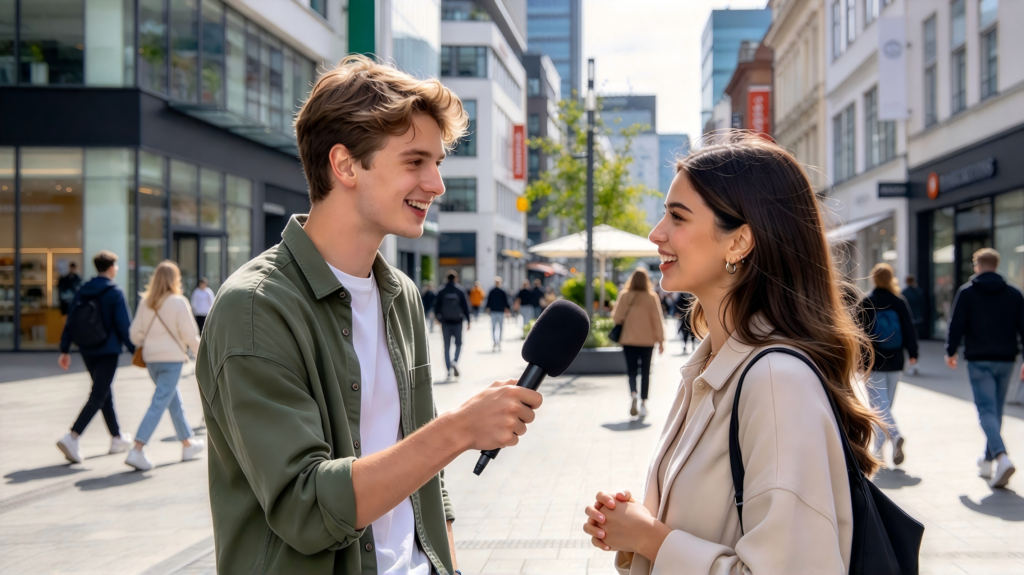
“Vox pop” is short for the Latin vox populi, meaning “voice of the people.” In practice, it refers to a series of short, spontaneous interviews with members of the public, all responding to the same question or topic, edited into a single sequence.
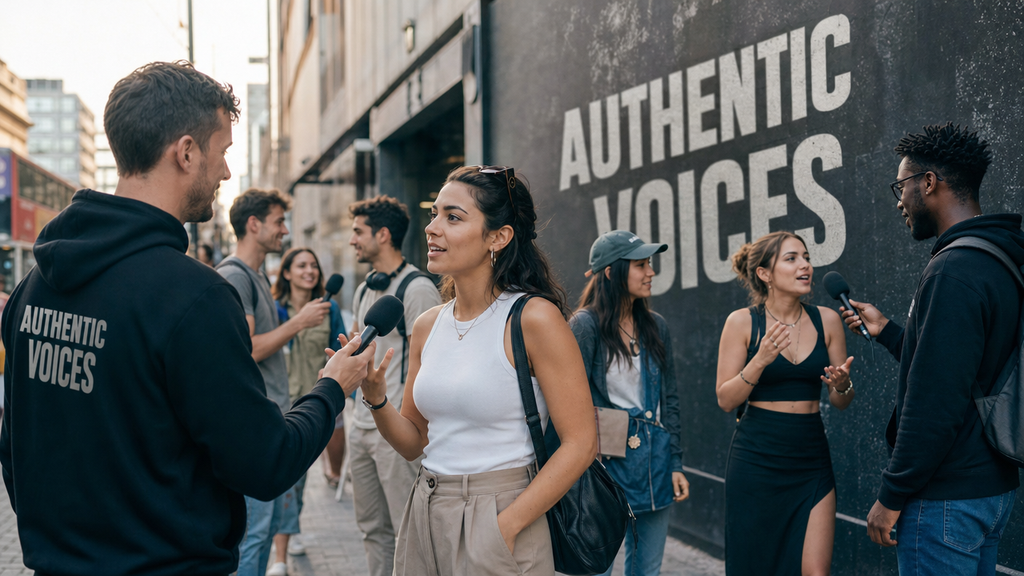
The format appears across media: broadcast news reporters use it to gauge public reaction to a policy story; YouTube creators use it for street-interview content; corporate communications teams use it to capture authentic employee or customer perspectives.
What makes vox pops persuasive is exactly what makes them feel unscripted. Audiences trust them because the responses come from people like them, not paid spokespeople or polished experts. Each clip is short enough to hold attention, and the rapid cutting between different voices creates momentum. Those two properties, authenticity and pace, are the reason the format has survived from television news into short-form social video.
Plan Your Vox Pop Before You Leave the Office
The most common reason a vox pop fails has nothing to do with gear or filming technique. It fails because the question was ambiguous, the location was wrong, or the crew arrived without a clear approach for talking to strangers. Thirty minutes of preparation before the shoot prevents hours of problems in the edit.
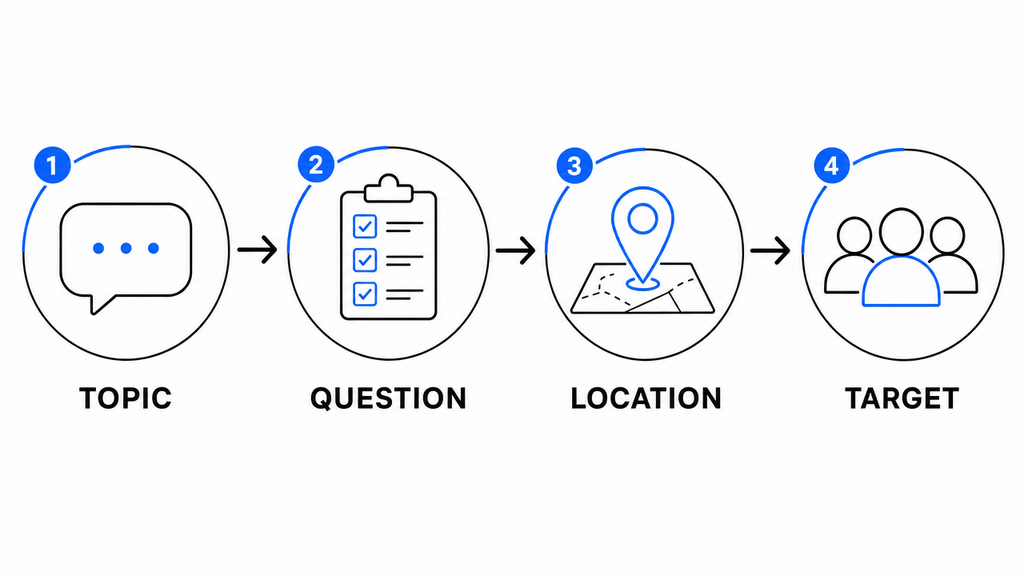
Start by defining a single, tight topic. A vox pop works best when every interviewee responds to the same stimulus. “What do you think about the new bus route?” will produce far more usable material than “What do you think about public transport?” The narrower the question, the more manageable the edit.
Also decide how many finished clips you need before you arrive. Plan to interview at least twice that number on the day, since some takes will be lost to noise, hesitation, or unusable framing.
Write Questions That Get Usable Answers
The difference between a useful vox pop clip and a frustrating one often comes down to the question itself.
Avoid closed questions. “Did you enjoy the event?” produces a yes or no, which is not a clip you can cut into a sequence. Open-ended questions beginning with “what,” “how,” or “why” give the subject room to form a sentence you can actually use.
Build a tight question set using this structure:
- One core question that every subject answers, creating editorial consistency across the sequence
- One follow-up prompt for subjects who give brief answers (“Can you tell me a bit more about why you feel that way?”)
- One optional redirector for when a conversation drifts (“Coming back to [topic], what would you say is the main thing…?”)
Avoid leading questions. “Don’t you think the council has done a poor job?” steers the subject toward a predetermined answer and weakens the credibility of the finished piece.
Scouting and Permissions
Work through these decisions before the shoot, not during it.
Location rules:
- Public footpaths, parks, and open squares generally permit filming without a permit in most jurisdictions, though local rules vary and are worth confirming in advance.
- Private property, including shopping centres, train stations, and privately managed plazas, typically requires advance permission from the site owner or manager.
- If in doubt, contact the location manager before the shoot date.
Consent:
- Obtain verbal or written consent from each participant before filming begins.
- Prepare a brief release form for any shoot where footage will be published commercially or broadcast.
- Do not film minors without written parental or guardian consent, regardless of the location type.
A short, honest introduction to each potential subject works best: “We’re filming a short video about [topic] — would you be happy to answer one question on camera? It takes about a minute.”
Equipment Checklist: What You Actually Need
Vox pop gear does not need to be expensive, but it does need to be portable, reliable, and practical to use while approaching strangers in a public space.

Core gear checklist:
- Camera body: smartphone (acceptable), mirrorless or DSLR (preferred)
- Lens: 50mm equivalent focal length for flattering subject framing and comfortable working distance
- Stabiliser: shoulder rig, monopod, or compact gimbal to prevent shaky movement between subjects
- Microphone: handheld condenser or clip-on (see the section below)
- Windscreen or dead cat for all outdoor recording
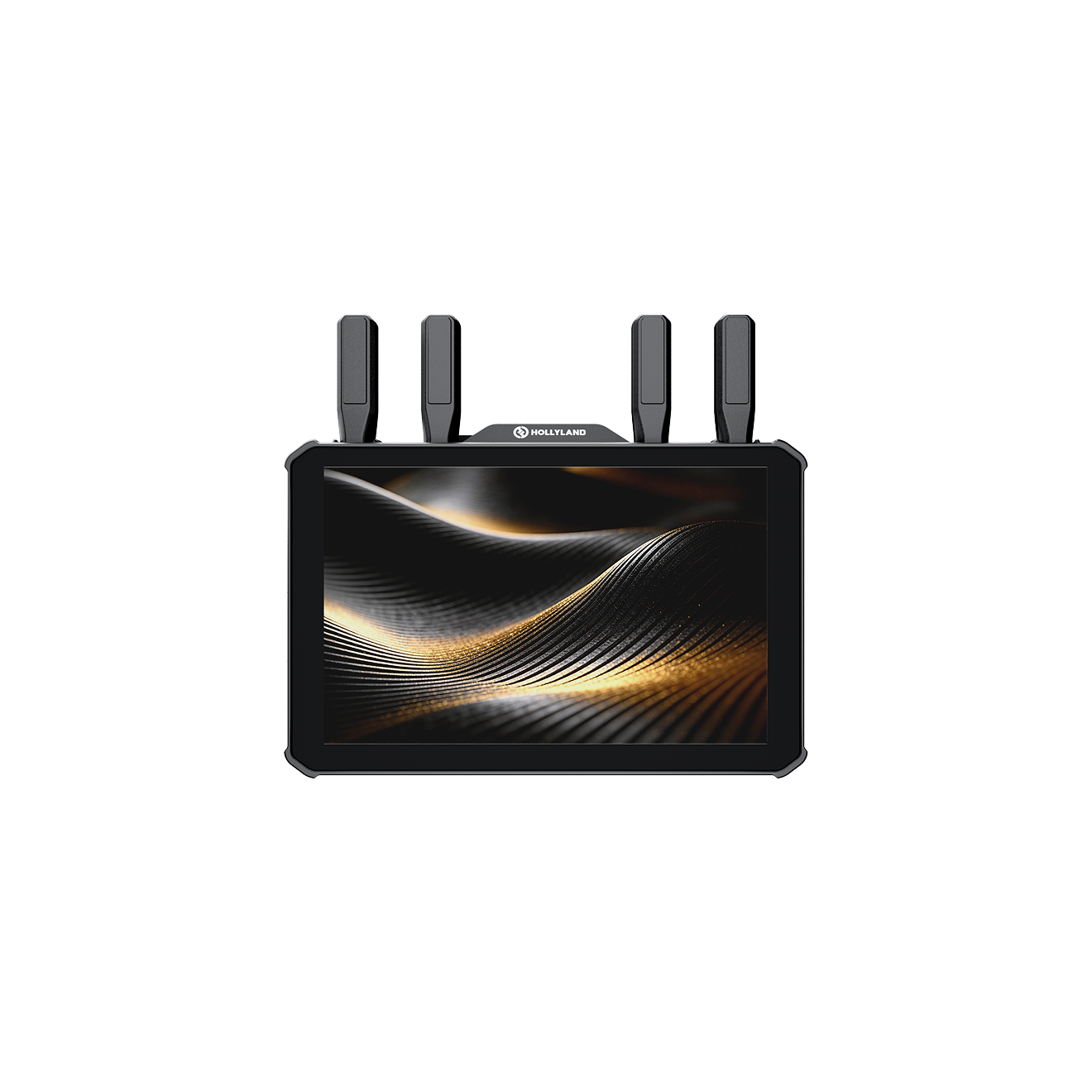
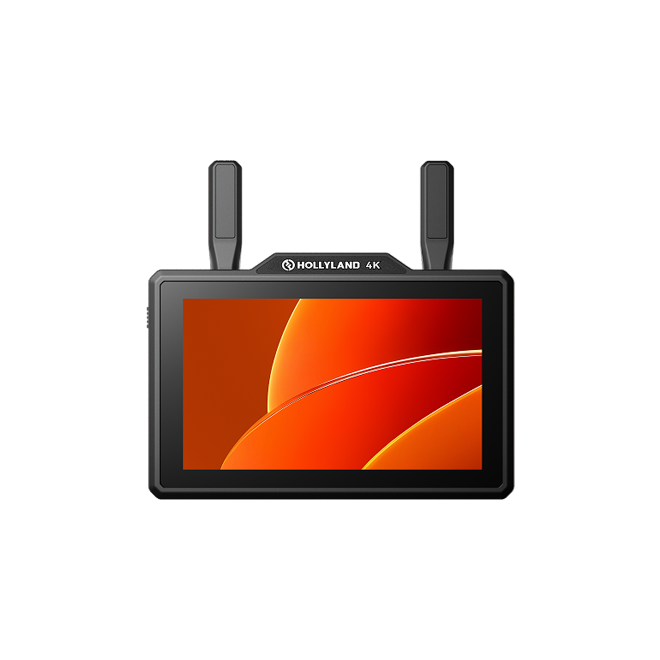
- Portable monitor or electronic viewfinder (EVF) to confirm framing in direct sunlight
- Spare batteries and a backup memory card
Choosing a Microphone for Vox Pops
The microphone decision matters more than the camera choice for this format. You can compensate for imperfect framing in post; you cannot recover audio ruined by wind or recorded too quietly.
Three main options are available for vox pop work:
- Lavalier (clip-on) microphone: Excellent sound quality when positioned correctly, but attaching and removing a lav mic for each new subject slows the shoot considerably. Better suited to pre-arranged interviews than spontaneous street work.
- On-camera shotgun microphone: Keeps the setup lean but places the mic too far from the subject’s mouth for reliable results in noisy outdoor environments.
- Handheld condenser microphone: The practical choice for vox pops. It positions close to the subject’s mouth, doubles as a visible on-screen prop that subjects instinctively recognise, and allows for quick transitions between interviewees.

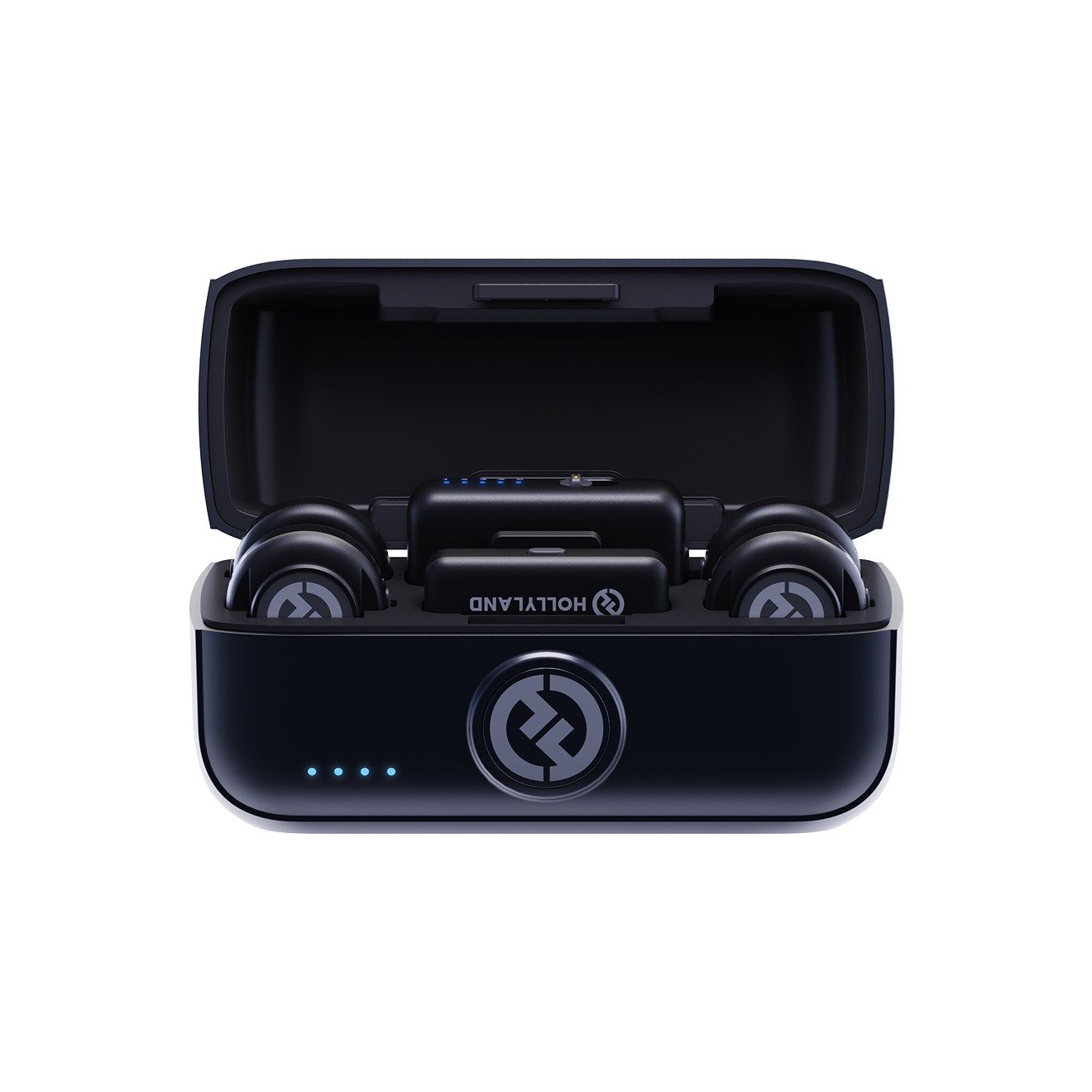
For street recording specifically, the Hollyland MELO P1 offers a practical advantage in this context. Its 1-inch large-diaphragm condenser handles high-SPL outdoor environments with a 132 dB SPL ceiling, and the built-in AI noise cancellation reduces street noise without requiring additional post-processing. The integrated portable mixer and monitoring earbuds in a single compact kit also remove the need to carry separate monitoring hardware, which matters when you are moving quickly between subjects on location.
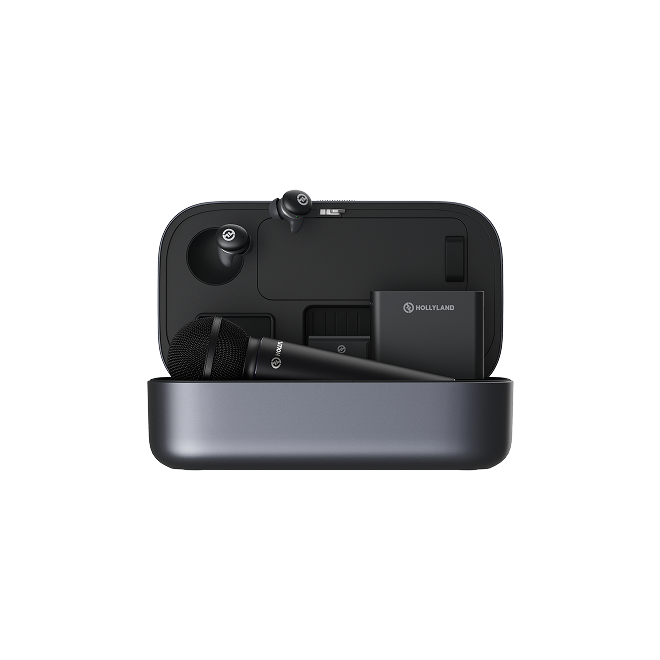
Hollyland MELO P1 - All-in-One Wireless Audio Studio
A revolutionary all-in-one wireless studio system combining handheld vocal capture, smart DSP mixing, and zero-latency monitoring in a single portable case.
Key Features: All-in-One Wireless Studio | 32-Bit Float Recording | 40 Hours Total Battery
Lighting for Outdoor Vox Pops
Shoot during golden hour, the hour after sunrise or before sunset, for warm, directional light with minimal harsh shadows. Harsh midday sun directly overhead creates unflattering shadows under the subject’s eyes and chin.
If you must shoot at midday, position subjects in open shade or use a compact collapsible reflector to fill shadows from below. Always check the background for strong light sources behind the subject. A bright sky or lit window behind the interviewee will force the camera to underexpose their face.
Setting Up Your Shot on Location
Before approaching the first subject, walk the location and identify two or three viable shooting positions. You want a background that is visually relevant and contextually interesting, such as a busy street, a recognisable landmark, or a relevant venue entrance, without being so busy that it competes with the speaker.

Shot setup sequence:
- Position the camera at eye level or very slightly below. Eye level reads as conversational; slightly below reads as authoritative. Both work for vox pops. Shooting from above is rarely flattering.
- Frame a medium shot or medium close-up, with the subject’s head and shoulders filling roughly half to two-thirds of the vertical frame.
- Leave appropriate headroom: a small gap between the top of the subject’s head and the upper frame edge.
- Position the interviewer directly beside or just below the lens so the subject’s eye line lands near the centre of the frame rather than toward the edge.
- Lock the exposure before each take to keep brightness and look consistent across all subjects.
Consistent framing is one of the most important contributions you can make to the edit. When clips cut together with matching frame sizes and eye lines, the sequence feels deliberate. Mismatched framing signals an unplanned shoot.
Directing Reluctant or Nervous Subjects
Introduce yourself and the project in one sentence. Offer the subject the question in advance so they have a few seconds to think before the camera rolls. If they struggle to get started, suggest a sentence opener: “You could begin by saying something like, ‘I think the main thing I’d change is…'” This technique produces a self-contained clip that works without the original question as context.
If someone declines, thank them and move on. Pushing a reluctant subject produces tense, unusable footage.
Capturing Clean Audio in Noisy Environments
Audio is the leading failure point of outdoor vox pops. A clip with imperfect framing is still usable. A clip with wind noise or a passing bus is not.

Audio capture steps:
- Fit the windscreen before the first take. A dead cat or foam windscreen on a handheld mic is non-negotiable outdoors. Even light wind creates low-frequency rumble that is difficult to remove cleanly in post.
- Position the mic 15–25 cm from the subject’s mouth. Hold it below the chin and angle it slightly upward to reduce direct plosive breath contact.
- Monitor audio live through earbuds throughout the shoot. Wind noise, gain problems, and distortion that are inaudible in a noisy street become obvious on playback. Catching them live allows a reshoot.
- Check and set gain before each new subject. Outdoor conditions change, and different voices project at different volumes. A few seconds of level-checking prevents a ruined take.
- Reject takes with sudden audio intrusions. If a vehicle passes, someone shouts nearby, or a gust hits during the answer, stop and reshoot. Do not plan to fix it in post.
- Record 10–15 seconds of ambient tone at each location. This ambient track gives your editor clean material to fill gaps, smooth cuts, and mask audio join points in the finished sequence.
How to Conduct the Interview on Camera
The mechanics of the shoot come together in the moment you are standing opposite a stranger with a camera rolling. A few consistent habits make the difference between a smooth shoot and a halting one.

Give each subject a 30-second pre-interview brief: who you are, what the video is for, what the question is, and roughly how long it will take. This reduces on-camera hesitation significantly.
During recording:
- Stay completely silent while the subject speaks. Any verbal affirmation, “mm-hmm,” “right,” or “yeah,” will be audible on the microphone and disrupt the usable audio.
- Nod to encourage the subject, but make no sound while doing so.
- If the first take is unclear, stumbling, or interrupted by noise, say “Let’s try that once more” and go again. Most subjects appreciate the chance to give a cleaner answer.
- Immediately after the interview, capture 10–15 seconds of B-roll of the subject: walking, looking at something contextually relevant, or standing naturally. These cutaway clips give your editor options for covering jump cuts in the edited sequence.
Editing Your Vox Pop into a Cohesive Sequence
This section covers editing principles rather than any specific software workflow.
Editing steps:
- Review all takes and select the single best 8–15 second “golden clip” from each interviewee. Resist the temptation to include multiple clips per person; it disrupts pacing.
- Arrange clips in a narrative arc. Open with the most surprising or provocative answer to hook the viewer. Build through contrasting perspectives in the middle. Close with the most definitive or resonant response.
- Use J-cuts and L-cuts at transitions. Allowing the audio from the next clip to begin fractionally before the picture cut, or letting the previous clip’s audio run briefly past the cut, avoids the jarring hard-cut effect common in amateur vox pop sequences.
- Add lower-thirds for each subject. Include their first name and, where relevant, a brief descriptor such as location, role, or age group. Keep the design consistent across all clips.
- Keep total runtime under three minutes for social media. Sixty to ninety seconds is a strong target for short-form platforms; up to three to four minutes is appropriate for YouTube or broadcast inserts.
- Export at the resolution and aspect ratio suited to your delivery platform before upload.
A sequence where every subject says the same thing in slightly different words is dull. Look for the clip that challenges the consensus and place it in the middle to create tension before the closing answer resolves it.
Common Vox Pop Mistakes and How to Avoid Them
- Asking yes/no questions. Binary questions produce binary answers. You need full sentences to build a sequence.
- Skipping the windscreen. Even a calm day can produce gusts. Always fit wind protection before the first take.
- Inconsistent framing between subjects. Mismatched shot sizes and angles make the edit feel unplanned and unpolished.
- Ignoring consent on private property. Verbal permission from each subject is the minimum; written consent is best practice for any published content.
- Keeping a take with background noise because “it’s close enough.” It is never close enough. Reshoot or discard.
- Recording all subjects on the same side of the street. Identical backgrounds across every clip reduce editorial variety and limit your sequencing options.
Frequently Asked Questions
How many people should you interview for a vox pop?
Aim to interview enough subjects to end the day with 6–10 usable clips, expecting to use 4–6 in the final cut. Fewer than four responses can feel like a skewed or unrepresentative sample, while more than eight risks audience fatigue in a short-form sequence.
Do you need consent to film a vox pop?
Filming in a public space is legal in most countries, but best practice is to obtain verbal or written consent from each participant before footage is published. Private property, including shopping centres and train stations, typically requires advance location permission from the site owner or manager.
Can you do a vox pop on your own?
Yes. A smartphone on a compact gimbal paired with a clip-on or handheld microphone handles solo vox pop shooting effectively. The main trade-off is that audio monitoring and framing adjustments between subjects take longer without a second crew member to manage one of those tasks.
How long should a vox pop be?
Finished sequences typically run 60–180 seconds for social media and up to 3–4 minutes for broadcast or long-form documentary inserts. Individual clips within the sequence are usually 8–15 seconds each, selected from longer takes.
What is the difference between a vox pop and a talking head interview?
A talking head interview is pre-arranged, longer in duration, and conducted with a named subject such as an expert or spokesperson. A vox pop is spontaneous, brief, and draws responses from members of the public to capture opinion rather than expertise.
Closing Thoughts on Great Vox‑Pops
Strong vox‑pop content relies on preparation, clean audio, and respect for your interviewees, not high‑end gear. Purpose‑built hardware such as the Hollyland MELO P1 can help tackle the audio challenges of noisy outdoor shooting. Authentic public voices are what make street interviews compelling, but vague questions or inconsistent framing can undermine that power. Refine your core question, scout locations, confirm consent rules, and be considerate to participants. For new creators, begin with a small test shoot to iron out workflow kinks. In editing, embrace contrasting viewpoints and match runtime to your platform. At its best, a vox pop captures genuine public opinion and creates relatable, engaging short‑form stories for your audience.