
Clip-On Microphones

Clip-On Microphones Built for Every Level

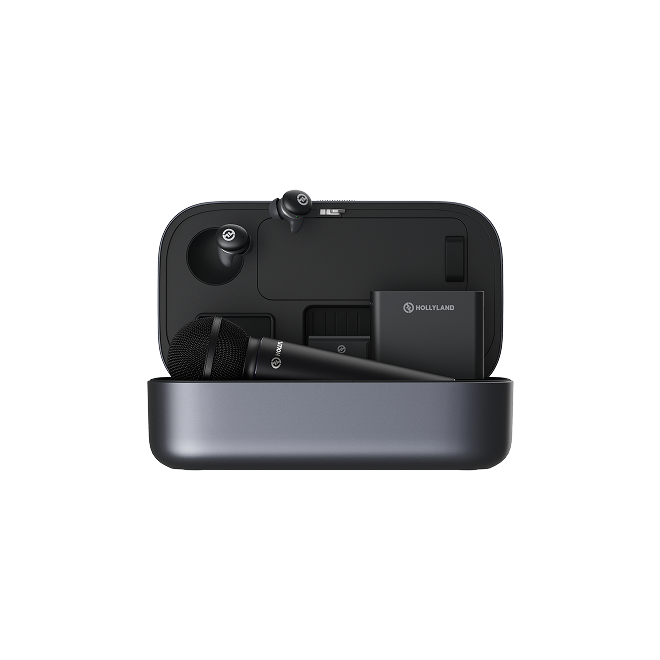
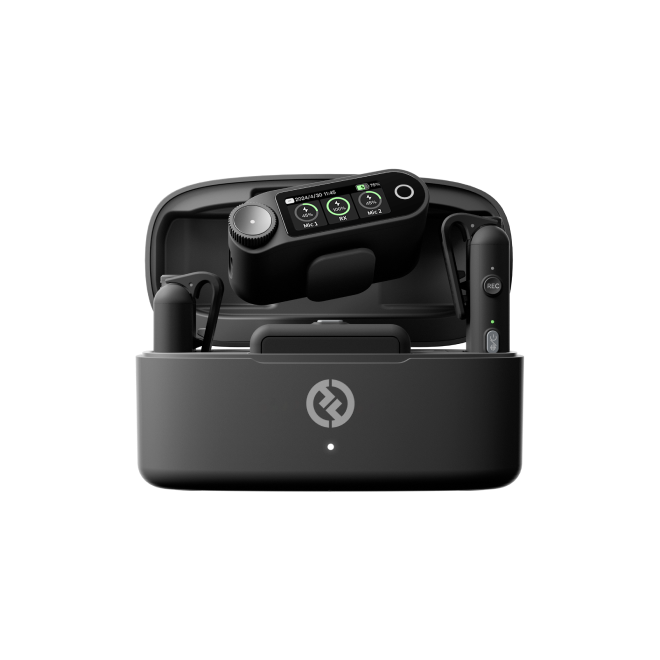
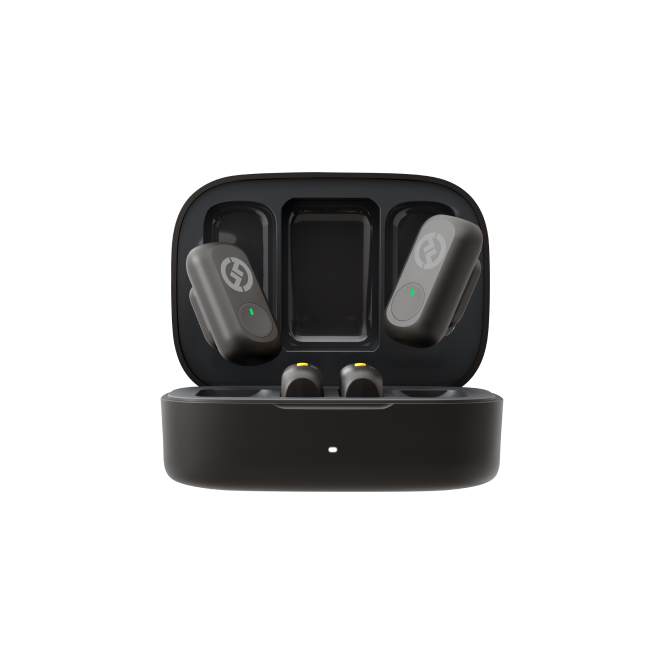
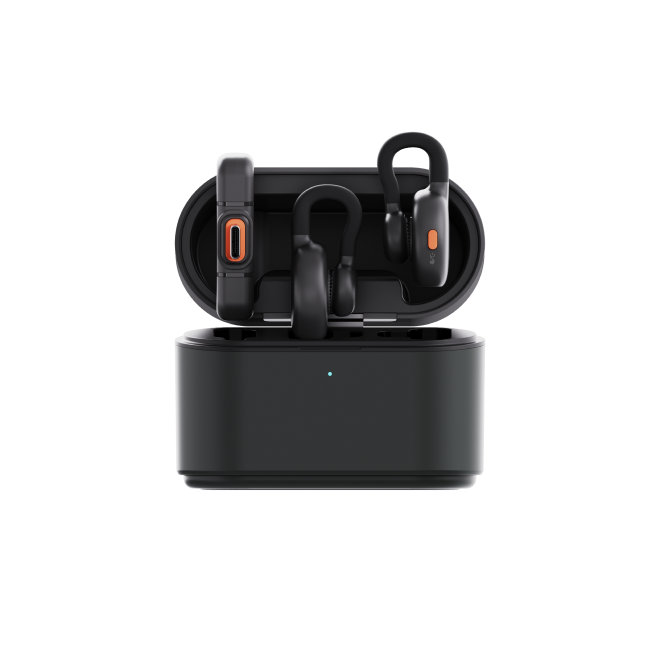
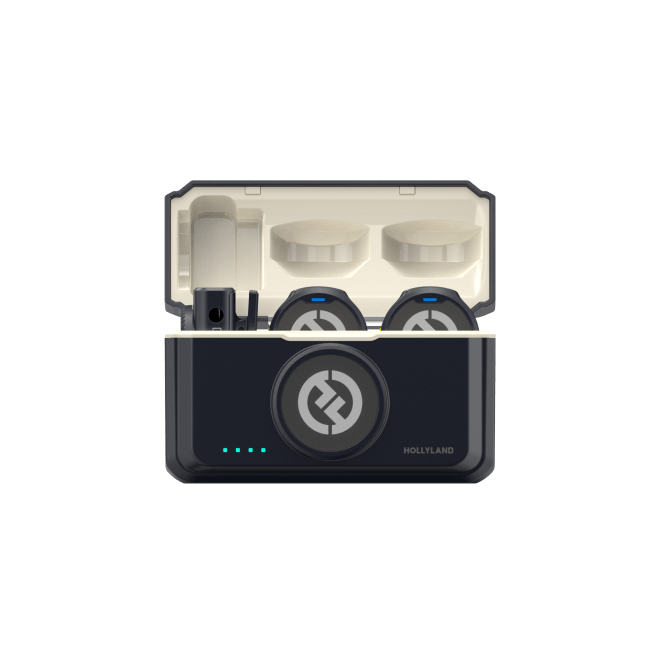
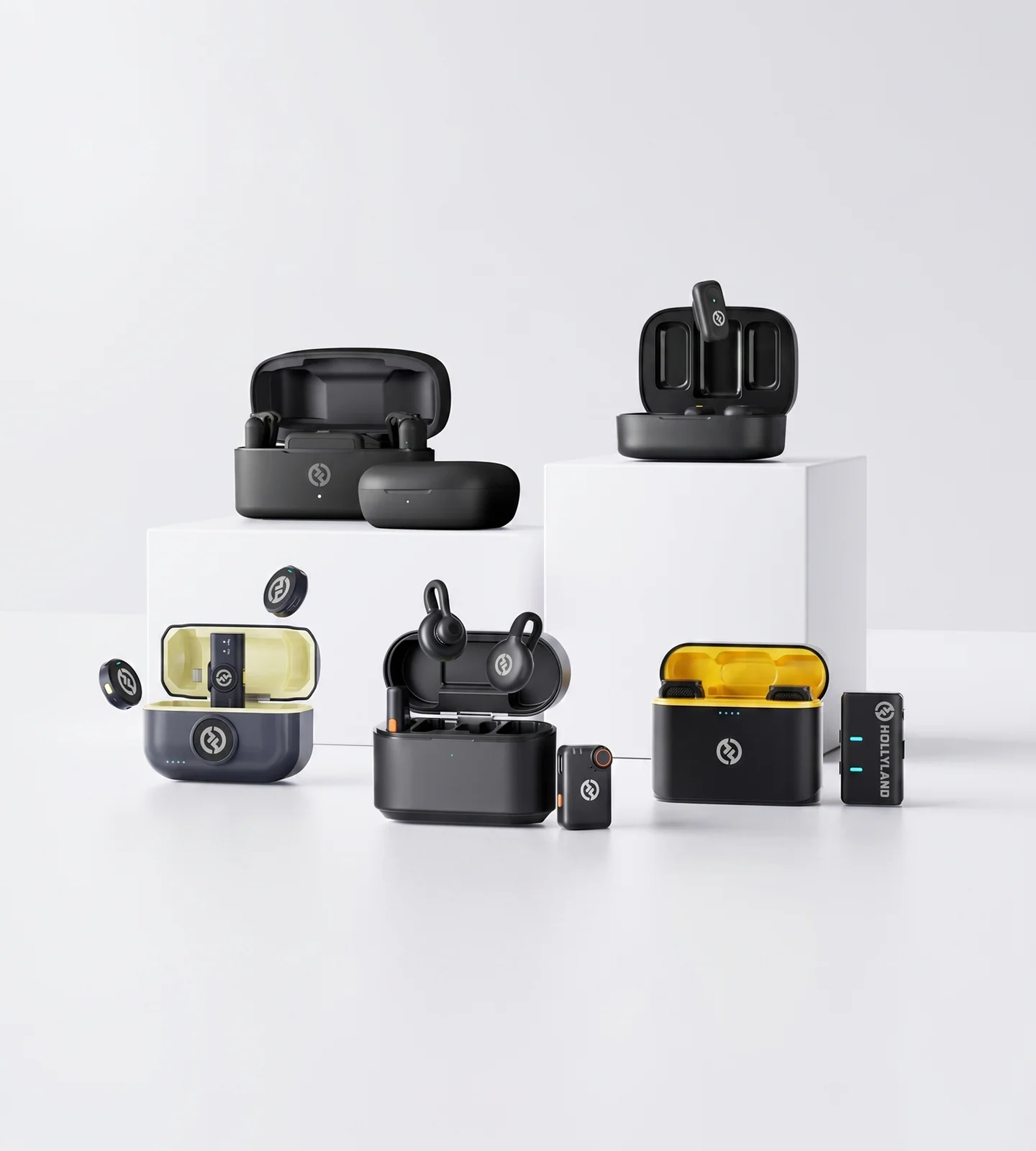
Hollyland's LARK range brings studio-quality wireless audio to creators at every level. From the featherlight LARK M2 to the 32-bit pro LARK MAX 2 — every clip-on mic is built for discreet wear, instant setup, and reliable sound on iPhone, Android, and camera.

Shop Now Compare Models

Works with iPhone · Android · DSLR · Mirrorless — find your match.
  • Studio-Grade Audio
  • Ultra-Compact & Discreet
  • AI Noise Cancellation
  • Plug & Play Setup
Editor's pick LARK MAX 2 32-bit Float · Timecode Ready
4.7 / 5 From 1.5M+ verified creators
Shop Models

Find Your LARK

Five clip-on wireless mics matched to every workflow, from quick social clips to professional film production.
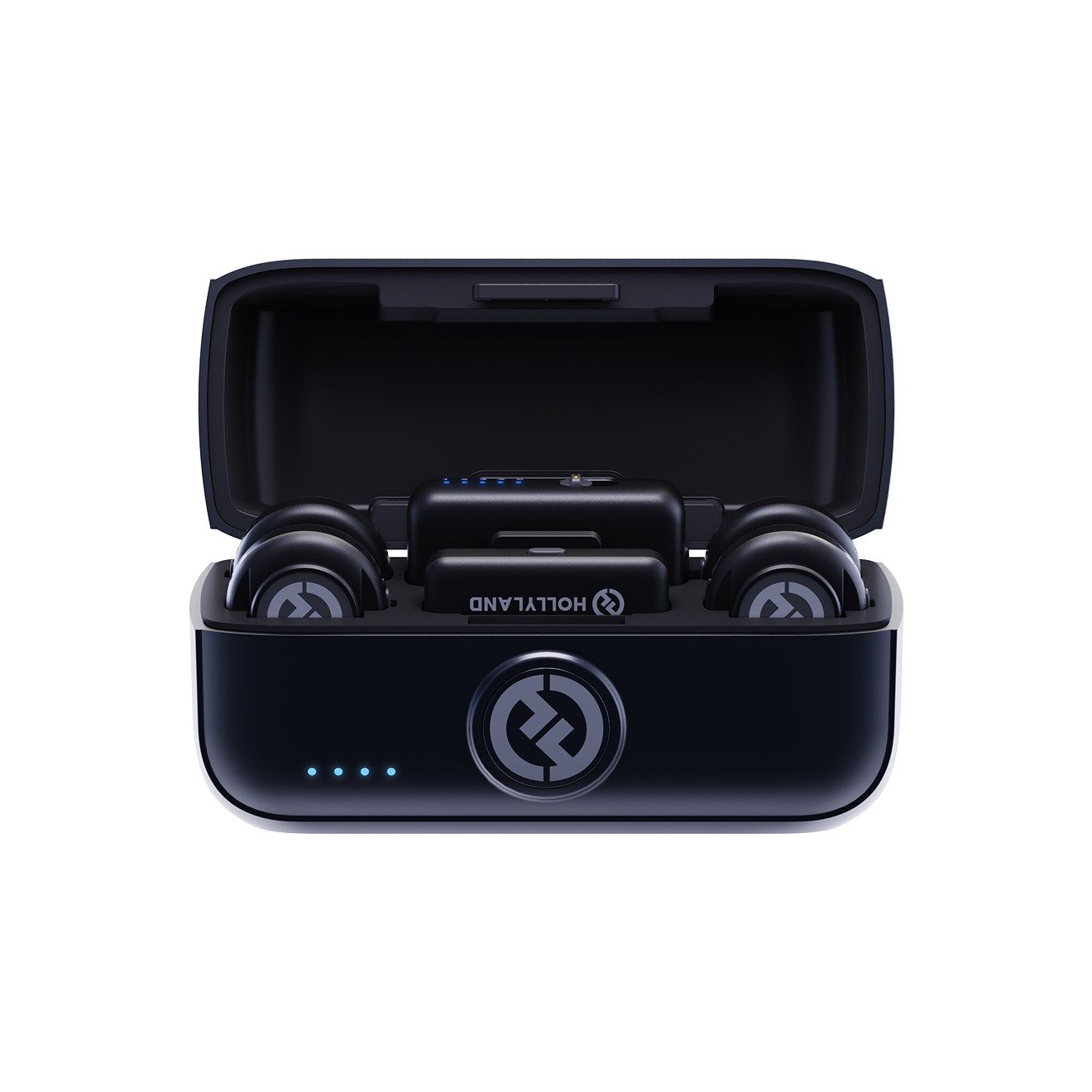
LARK M2

LARK M2

Everyday content creation, from vlog to semi-pro shoot

  • ENC noise cancellation
  • 300m wireless range
  • 40h total battery
LARK M2S

LARK M2S

On-camera talent who need discreet, invisible audio

  • No-logo titanium design
  • 7g transmitter
  • 300m wireless range
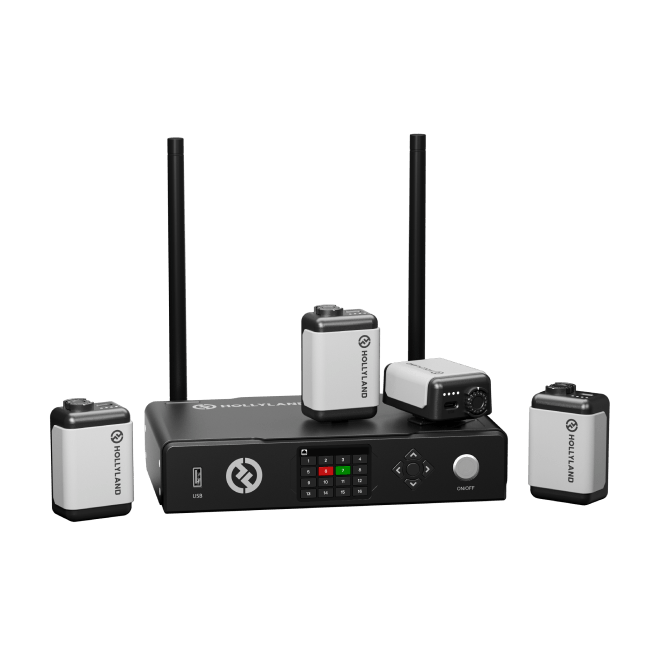
LARK A1

LARK A1

Smartphone-first creators who want smart noise control
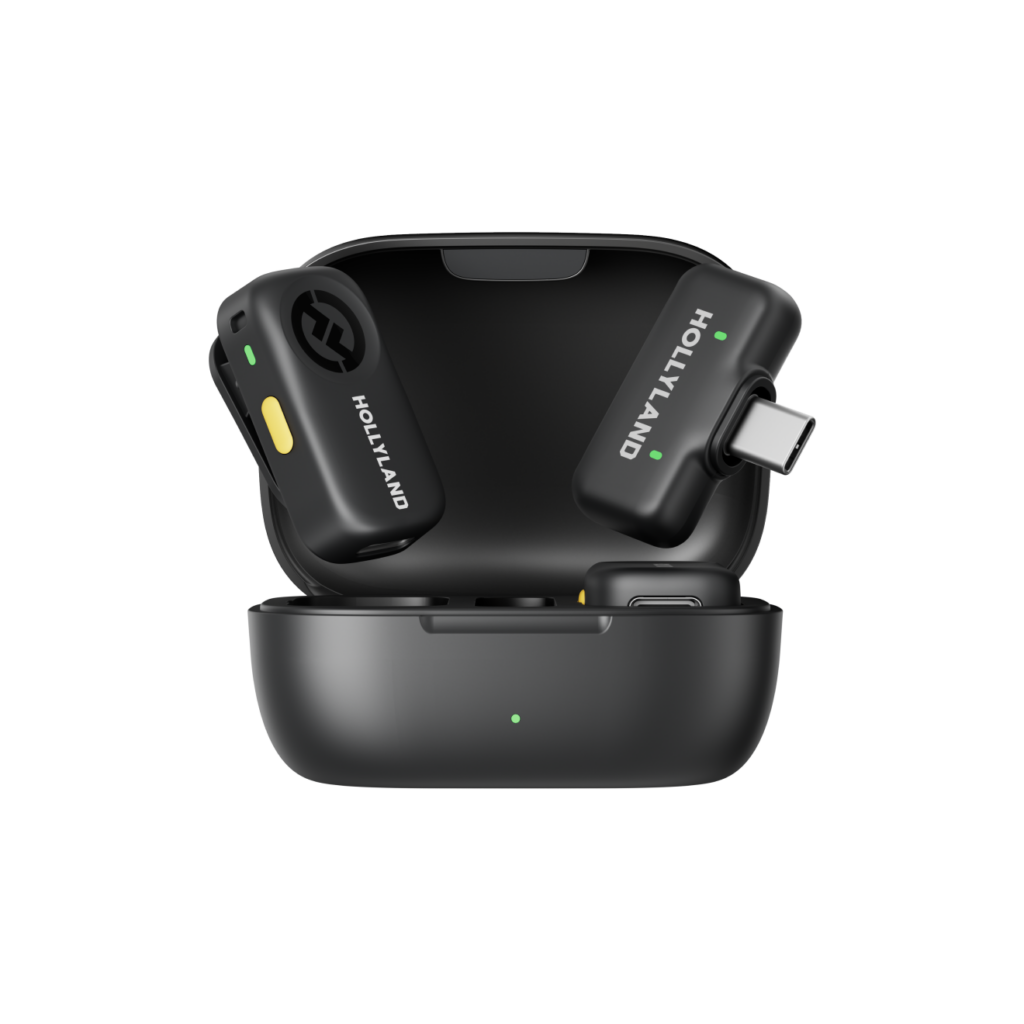
  • 3-level noise cancellation
  • 54h total battery
  • Magnetic clip design
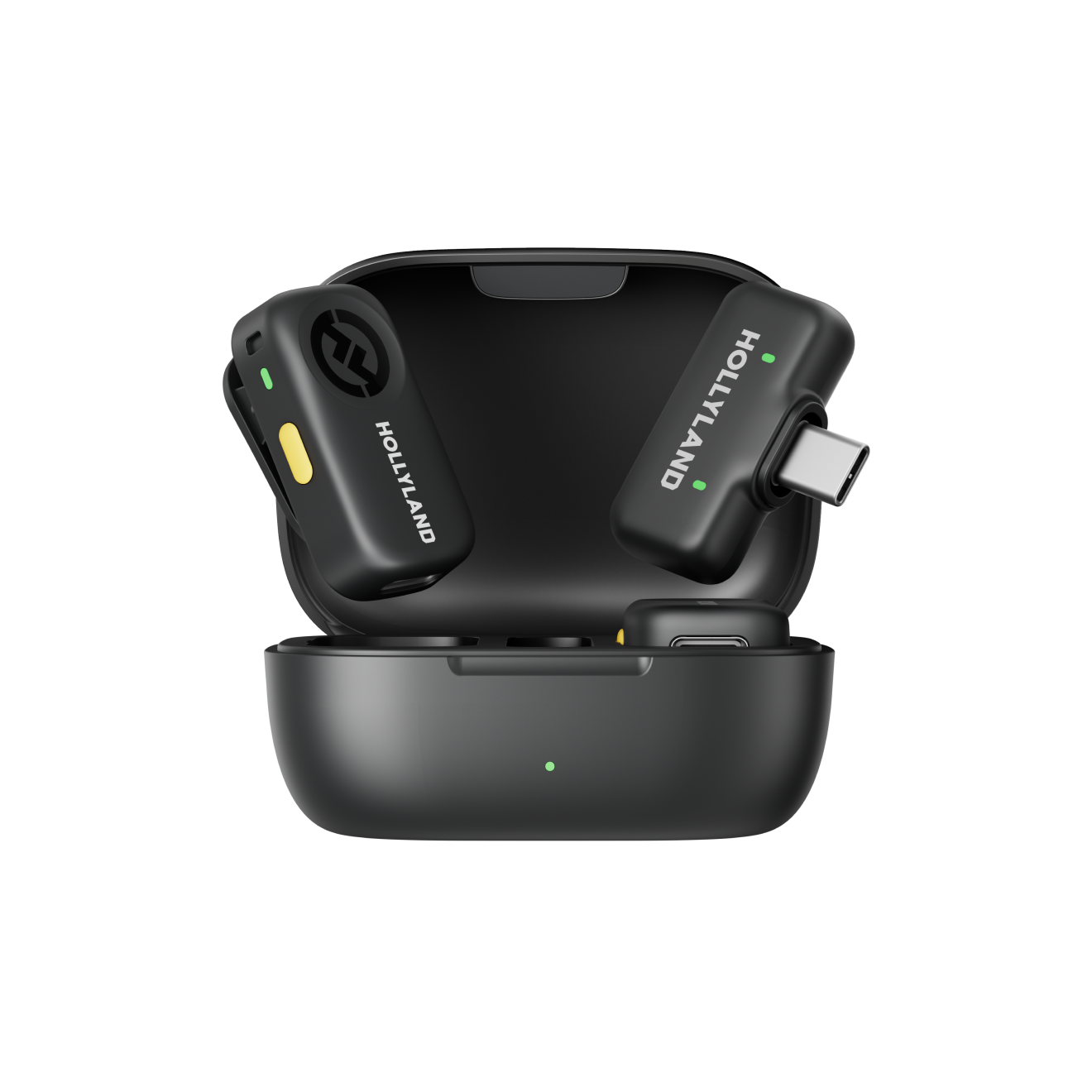
LARK A2

LARK A2

Mobile creators who need fast, reliable clip-and-go audio

  • AI noise cancellation
  • Dual audio protection
  • Clip & Go design
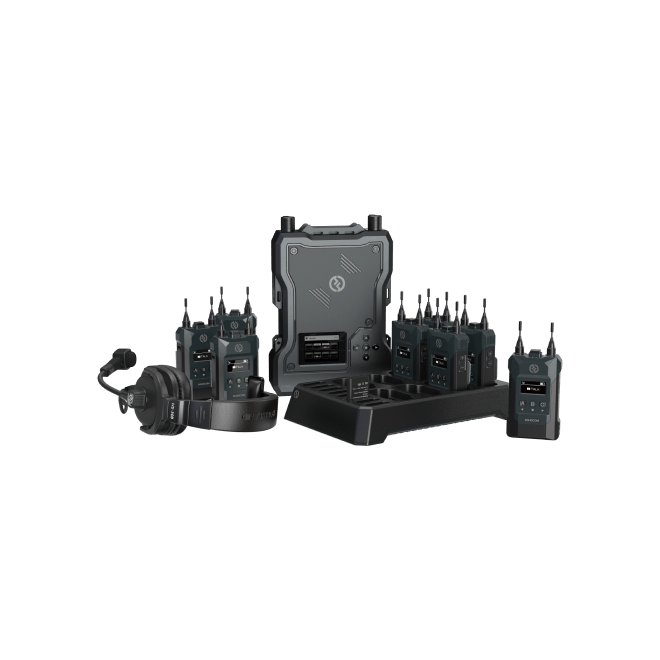
LARK MAX 2

LARK MAX 2

Filmmakers and field producers who demand full audio control

  • 32-bit float recording
  • Timecode sync
  • AI noise cancellation
Side-by-side

Compare & Choose

Find the clip-on microphone that matches your workflow — compare recording quality, wireless range, battery life, and standout features across the full Hollyland LARK lineup.
Model LARK M2 LARK M2 LARK M2S LARK M2S LARK A1 LARK A1 LARK A2 LARK A2 LARK MAX 2 LARK MAX 2
Recording Format 48kHz / 24-bit WAV 48kHz / 24-bit 48kHz / 24-bit 48kHz / 24-bit 48kHz / 32-bit Float (also 24-bit)
Noise Cancellation ENC Environmental Noise Cancellation ENC Environmental Noise Cancellation 3-Level Intelligent Noise Cancellation AI Noise Cancellation AI Noise Cancellation
Wireless Range (LOS) 300m / 1000ft 300m / 1000ft 200m / 650ft 200m / 656ft 340m / 1115ft
TX Battery (Per Charge) ~10 hours ~9 hours ~9 hours ~7 hours ~11 hours
Total Battery Life Up to 40 hours Up to 30 hours Up to 54 hours Up to 21 hours Up to 36 hours
Transmitter Weight ~9g ~7g ~8g ~8.5g ~14g
Max SPL 115dB 116dB 128dB 120dB 128dB
Device Compatibility iOS, Android, Camera (Combo Version available) iOS, Android, Camera (Combo Version available) Smartphones (plug & play) Smartphones / Mobile Devices Camera + Smartphone
Standout Feature Button-size mini design; true plug & play No-logo titanium design for on-camera discretion EQ, reverb & 6-level gain control; magnetic clip design AI auto-limit clip & safety track dual audio protection 32-bit float recording, timecode sync & wireless OWS monitoring earphone
Shop Shop Shop Shop Shop
Buying Guide

How to Choose the Right Clip-On Microphone

The best clip-on microphone is the one that fits your recording environment, your device, and your workflow — not just the one with the highest spec sheet. Here's what to consider before you choose.
  1. Check Device Compatibility First
  2. Sound Quality: What the Specs…
  3. Noise Cancellation: ENC vs. AI
  4. Form Factor and On-Camera Appearance
  5. Battery Life and Wireless Range
  6. Setup Complexity: Plug and Play…
  7. Matching the Right Microphone to…

Check Device Compatibility First

Before comparing any other feature, confirm what you're actually recording with. Clip-on wireless microphone systems connect differently depending on the device:

  • Smartphones (iOS or Android) — via Lightning, USB-C, or 3.5mm TRRS
  • Cameras — via 3.5mm TRS, typically through a dedicated camera receiver
  • Multi-device setups — using a combo or universal version with included adapters

If you regularly switch between a smartphone and a camera, a combo version of the system is the most practical choice. Most compatibility issues come down to choosing the wrong connection type upfront — getting this right eliminates the most common source of buyer regret.


Sound Quality: What the Specs Actually Mean

Not all clip-on microphones labelled 'professional quality' deliver the same result. A few specifications help separate real performance from marketing language:

  • Bit depth and sample rate — 48kHz / 24-bit is the current standard for broadcast-quality audio. For professional filmmaking, 32-bit float recording removes the need to set gain levels before a shoot. Audio is captured at full dynamic range and can be corrected in post — distortion and clipping become non-issues.
  • Signal-to-noise ratio (SNR) — Higher figures mean a quieter, cleaner signal. Anything above 70dB is suitable for professional use. Lower figures can introduce an audible noise floor, especially noticeable in quieter recordings or during silent pauses.
  • Maximum SPL handling — Relevant if you record in loud environments. Microphones rated at 120dB SPL or above handle sudden volume spikes without distorting.

Noise Cancellation: ENC vs. AI

Background noise is the most common reason recordings fail under real-world conditions. Two main technologies address this — and they suit different environments.

ENC (Environmental Noise Cancellation)
Hardware-level filtering designed to target consistent, predictable background noise — air conditioning, traffic hum, ambient crowd noise. Reliable across a wide range of everyday indoor and outdoor recording settings.

AI Noise Cancellation
Uses real-time machine learning to continuously separate the speaker's voice from unpredictable or rapidly shifting noise sources. Better suited to dynamic environments: outdoor locations, moving subjects, busy event spaces, or situations where background noise changes frequently.

For controlled indoor recording, ENC delivers consistent, dependable results. If your work takes you into noisier or less predictable environments, AI noise cancellation is worth the step up.


Form Factor and On-Camera Appearance

Clip-on microphones are designed to be worn — and in many cases, they're visible in frame. A few factors matter more than users typically expect:

  • Transmitter weight — Lighter transmitters in the 7–9g range are easier to wear for extended periods and cause less distortion to lightweight or fitted clothing.
  • Logo visibility — Some transmitters carry visible branding; others use a clean, no-logo design for a more discreet on-camera appearance. If the transmitter will appear in shot, this is a practical consideration, not just an aesthetic one.
  • Clip vs. magnetic attachment — Magnetic clips allow faster repositioning and tend to hold more securely on thinner or lighter fabrics without leaving marks.
  • Finish and colour — Matte or skin-toned finishes blend into clothing more naturally than high-contrast or glossy options.

Battery Life and Wireless Range

Both factors depend on your use case. More isn't always necessary — but running out mid-shoot always is.

Battery Life

  • Most transmitters offer 7–11 hours per charge, covering a full production day for the majority of users.
  • The more meaningful figure for ongoing use is total system battery life with the charging case — some systems extend usable time to 30–54 hours, covering multiple shoot days between full charges.
  • If you ever need to record without a live receiver connection — as a backup or in solo shooting scenarios — check whether the transmitter supports onboard internal recording and for how long.

Wireless Range

  • Line-of-sight (LOS) range is a useful benchmark, but rarely the number that defines real-world performance.
  • NLOS (non-line-of-sight) range is the practical figure — the performance you get indoors, around obstacles, or with a moving subject. Most systems in this category offer 40–70m NLOS.
  • Extended range becomes relevant for event coverage, journalism, or multi-camera productions where a subject may move far from the operator.

Setup Complexity: Plug and Play vs. App Control

How quickly do you need to be recording — and how much do you want to control?

  • Plug and play — Connect the receiver to your device and record immediately. No configuration required. Ideal for live streaming, fast-turnaround social content, or any scenario where setup time is a real constraint.
  • App control — Unlocks detailed settings: gain adjustment, EQ, noise cancellation levels, and real-time monitoring. Useful for creators who want more control over their audio signal without investing in dedicated recording hardware.
  • On-device controls — Some systems allow gain and settings adjustments directly from the transmitter or receiver body, offering a middle ground between simplicity and control.

For most content creators and educators, plug-and-play simplicity is the right default. For semi-pro or professional users, direct access to audio parameters pays off in consistency on set and time saved in post.


Matching the Right Microphone to Your Use Case

If you're a... Prioritise...
Solo creator / vlogger Compact size, plug and play, ENC, smartphone compatibility
Interviewer / podcaster Dual-transmitter system, reliable NLOS range, independent gain control
Live streamer Low latency, plug-and-play simplicity, stable wireless connection
Journalist / field reporter Fast setup, strong noise cancellation, extended wireless range
Filmmaker / videographer 32-bit float, AI noise cancellation, timecode, onboard backup recording
Educator / presenter Lightweight design, long battery life, discreet on-camera appearance

As a general guide: the LARK A1 and LARK A2 are built for smartphone-native workflows with straightforward noise cancellation and one-touch setup — strong choices for solo creators and educators. The LARK M2 and LARK M2S extend compatibility to cameras, add ENC, and offer longer wireless range for more versatile productions. The LARK MAX 2 is the system to consider when your work demands 32-bit float recording, timecode synchronisation, and professional-grade audio monitoring across multiple microphones.

Where It Works

Built for Every Recording Scenario

From a solo smartphone shoot to a professional film set, the LARK series fits the way you actually work — wireless, wearable, and ready in seconds.

Solo Content Creation

Clip on, hit record, and keep your focus on the content. Compact transmitters and plug-and-play connectivity make it effortless to capture broadcast-quality audio whether you're shooting a talking-head video on your phone or a vlog on a mirrorless camera.
  • Vlogging
  • Smartphone Recording
  • Talking-Head Video

Interviews & Dual-Speaker Recording

Mic up both speakers without the cable tangle. Wireless dual-transmitter setups deliver clean, separated audio from both sides of the conversation — ideal for sit-down interviews, podcast recordings, and documentary-style shoots.
  • Podcasting
  • Dual-Mic Setup
  • Interview Recording

Live Streaming

Low-latency wireless transmission and instant plug-and-play setup mean you're live in seconds. No sync drift, no audio lag — just consistent, reliable sound for every stream, no matter the platform.
  • Low Latency
  • Plug & Play
  • Real-Time Audio

On-Location & Field Shooting

Outdoor environments don't play by the rules. ENC and AI noise cancellation cut through wind, crowd noise, and ambient interference, while extended wireless range keeps you untethered from your camera no matter where the action takes you.
  • Wireless Freedom
  • Noise Cancellation
  • Outdoor Recording

Professional Film & Video Production

When a take can't be repeated, reliability isn't optional. 32-bit float recording, safety tracks, timecode sync, and real-time wireless monitoring give filmmakers and videographers the professional toolset to protect every performance on set.
  • 32-Bit Float
  • Timecode Sync
  • Film Production

Online Teaching & Presentations

Clear, consistent voice audio keeps your audience engaged from the first word. A lightweight, discreet clip-on sits invisible on camera while you move freely — whether you're delivering a live webinar, an e-learning module, or a corporate presentation.
  • Hands-Free Audio
  • E-Learning
  • Webinar Recording
Trusted by creators

1.5M+ creators picked LARK microphones for their audio

A decade of wireless engineering for film crews and broadcasters — packaged for modern creator workflows.
  • 4.7 Avg. rating · 120K+ reviews
  • 1.5M+ Verified creators
  • 160+ Countries shipped
  • 98% Would recommend

I love my new LARK M2 mics. These were so good, and I really enjoyed testing out the new LARK M2 from Hollyland.

Sarah Grace Sarah Grace Tech Creator · 3.2M YouTube subscribers

The Hollyland LARK MAX is the wireless microphone system with the clearest and crispest audio of any wireless mic system I have ever tried.

Goenrock Goenrock Cinematographer · 107K Instagram subscribers

LARK MAX is doing an excellent job of dropping the sound of the air conditioner, which is something l always have to remove and post with our shotgun mic.

Film Riot Film Riot Filmmaking Educator · 2.2M YouTube subscribers
  • No Film School
  • Newsshooter
  • CineD
  • RedShark
  • CAMERA JABBER
  • Photowebexpo
FAQ

Your Clip-On Microphone Questions, Answered

Which Hollyland clip-on microphone is right for me?

The LARK range covers everything from smartphone-ready starter kits to full professional wireless systems. Here's a quick guide:

  • LARK A1 / LARK A2 — Best for smartphone creators, vloggers, and online presenters. Plug-and-play, ultra-compact (8–8.5g), with intelligent noise cancellation and 48kHz/24-bit audio.
  • LARK M2 — A versatile all-rounder with a button-size transmitter (9g), ENC noise cancellation, and up to 300m range. Available in mobile, camera, and combo versions. Strong choice for creators and semi-pro shooters.
  • LARK M2S — Everything the M2 offers, plus a no-logo titanium design built for on-camera talent who need a near-invisible look on screen.
  • LARK MAX 2 — The professional option. 32-bit float recording, AI noise cancellation, timecode sync, and wireless monitoring via OWS earphone. Built for filmmakers and serious videographers.

Each product page includes a full spec breakdown to help you match the right model to your workflow.

Will Hollyland clip-on mics work with my iPhone, Android phone, or camera?

Yes — the LARK range is designed to cover all major device types:

  • Smartphones (iOS & Android): The LARK A1 and LARK A2 connect directly to smartphones via plug-and-play with no adapter or app required.
  • Cameras: The LARK M2 and LARK M2S are available in dedicated camera versions, and the LARK MAX 2 is designed for professional camera setups.
  • Universal / multi-device: The LARK M2 and LARK M2S Combo versions include both a mobile and a camera receiver in one kit.

Before ordering, check the version options on each product page to make sure you're selecting the correct receiver for your device.

How long will the battery last on a full shoot?

All LARK transmitters are built for extended sessions. Single-charge battery life per transmitter:

  • LARK M2: TX ~10 hrs — up to 40 hrs total with charging case
  • LARK M2S: TX ~9 hrs — up to 30 hrs total with charging case
  • LARK A1: TX ~9 hrs — up to 54 hrs total with charging case
  • LARK A2: TX ~7 hrs — up to 21 hrs total with charging case
  • LARK MAX 2: Mic ~11 hrs — up to 36 hrs total with charging case

For most shoots, a single charge is more than sufficient. The charging case keeps transmitters topped up between sessions without needing a separate power source.

Will the wireless signal drop out or cause audio lag?

Hollyland's LARK microphones use a robust 2.4GHz wireless connection with line-of-sight range from 200m (LARK A1/A2) up to 340m (LARK MAX 2) — well beyond what most indoor or location shoots require. Latency is extremely low across all models, making them reliable for live streaming and sync-critical video recording.

For an added layer of protection, the LARK A2 and LARK MAX 2 include a Safety Track — a second audio channel recorded simultaneously at a lower gain level — so you have a clean backup if one channel clips or experiences an unexpected spike.

Will the microphone be noticeable on camera?

LARK transmitters are among the most discreet wireless clip-on mics available. The lightest model weighs just 7g (LARK M2S) — roughly the size of a button — and all transmitters are designed to clip flat against a lapel or sit inside clothing with minimal visibility.

The LARK M2S is the standout choice if discretion is a priority: its no-logo titanium finish was developed specifically for on-camera talent who need a clean, professional appearance on screen. If you're regularly shooting interviews, branded content, or anything where the mic showing in frame is a problem, it's the most polished option in the range.

How effective is the noise cancellation in real-world environments?

Every model in the LARK range includes active noise cancellation — the level of control and sophistication scales with the product:

  • LARK M2 / M2S: Environmental Noise Cancellation (ENC) filters consistent background noise such as air conditioning, traffic, and ambient room sound.
  • LARK A1: 3-level adjustable intelligent noise cancellation, giving you manual control over how aggressively background noise is filtered.
  • LARK A2: AI-powered noise cancellation with voice tuning, which distinguishes your voice from surrounding noise in real time.
  • LARK MAX 2: AI noise cancellation combined with 32-bit float recording — engineered for professional production in unpredictable or loud sound environments.

For outdoor shoots, busy locations, and any situation where you can't control the acoustic environment, these systems make a measurable difference to the clarity of the final recording.

Is setup complicated? Do I need to use an app?

Setup is intentionally straightforward. Every LARK clip-on microphone is plug-and-play: clip on the transmitter, connect the receiver to your device, and you're recording. There's no Bluetooth pairing sequence, no driver installation, and no mandatory app.

Optional app control is available on the LARK M2 and LARK M2S (mobile versions) for users who want to fine-tune gain, EQ, or noise cancellation settings from their phone. It's a useful extra for those who want it — but it's never a requirement for great-sounding audio straight out of the box.

What if the audio distorts or clips in loud environments?

Several LARK models include dedicated clip-protection technology to safeguard your recordings when audio levels spike unexpectedly:

  • LARK A1: Auto-Limit Clip Protection prevents distortion during sudden volume peaks.
  • LARK A2: Dual-protection combines AI Auto-Limit with a Safety Track — a backup channel recorded at reduced gain so loud moments are always recoverable in post.
  • LARK MAX 2: 32-bit float recording captures a virtually unlimited dynamic range, meaning you can recover from even extreme volume spikes in post-production with no clipping whatsoever.

For event coverage, on-location interviews, live performance recording, or any environment where sound levels are hard to predict, choosing a model with built-in clip protection removes one of the most common points of failure in field audio.

Explore further

A few more places to go from here

A curated link map of the surrounding content — related categories, the most useful guides, head-to-head comparisons and setup help.
Ready when you are

Find Your LARK. Record with Confidence.

Five wireless clip-on mics, plug-and-play ready — delivering up to 54 hours of total battery life.
Shop Now Compare Models
  • Free shipping over $99
  • 30-day returns
  • 1-year warranty
US