.png)
 简体中文
简体中文 
Running out of disk space in the middle of a recording is every creator’s nightmare. If you are seeing “Disk Full” errors, experiencing lag during playback, or setting up a new workstation, you need to know how to change the temp files directory in Audacity.
By default, Audacity parks massive temporary files on your primary system drive (usually the C: drive). This is the same drive fighting for space with Windows updates, program installations, and your browser cache. If that drive fills up, your recording stops instantly.
Here is how to move that folder to a safer location and optimize your setup for crash-proof recording.
Why You Need to Manage Your Audacity Temp Files
Most users never look at their directory settings until they encounter a critical error. However, proactively managing where Audacity stores temporary data is one of the most effective ways to stabilize your workflow.
Here is why moving this directory matters:
1. Preventing the “Disk Full” Crash
Audio recording is data-intensive. If you record at higher sample rates (like 48kHz) or use 32-bit float depth, Audacity writes huge amounts of raw data to your drive in real-time.
If your default drive runs out of space mid-session, Audacity will stop recording immediately. In the worst-case scenario, the software freezes, leading to corrupted audio data that cannot be recovered. Dedicating a separate drive with plenty of free space ensures your long-form podcasts or interviews aren’t cut short.
2. Eliminating Editing Lag
Performance is just as important as capacity. When you edit audio—cutting, pasting, or applying effects—Audacity constantly reads and writes to the temporary directory.
If your temp folder is on an older Mechanical Hard Drive (HDD) or a nearly full system drive, you will experience latency. This feels like:
- A delay when you press “Play.”
- Stuttering during playback.
- Audacity freezing temporarily while processing effects.
Moving your temp directory to a high-speed Solid State Drive (SSD) fixes this, making scrubbing through the timeline instant and smooth.
3. The “Unsaved” Project Buffer
It is vital to understand when Audacity uses this folder. Since the update to Audacity 3.0, the software uses a Unitary Project File (.aup3) structure.
- Before Saving: When you open a new instance and hit record, the audio lives exclusively in the Temporary Files Directory. This is the “danger zone” where drive speed and space matter most.
- After Saving: Once you save your project (File > Save Project), Audacity moves that data out of the temp folder and into the self-contained .aup3 file.
Therefore, the temp directory setting is your safety net for unsaved work.
How to Change the Temp Directory in Audacity (Step-by-Step)
Changing your temporary file location is the best way to prevent storage bottlenecks. Follow these steps to map Audacity to a drive with more capacity.
- Open Audacity on your computer.
- Access the Preferences menu:
- Windows/Linux: Go to Edit > Preferences (or press Ctrl + P).

- macOS: Go to Audacity > Preferences (or press Cmd + ,).
- Select Directories from the sidebar menu on the left.
- Locate the field labeled “Temporary files directory” at the top of the window.
- Click the Browse… button next to the current file path.

- Select a folder on a drive with ample free space.
- Tip: For the best performance, choose an internal SSD rather than a slower mechanical HDD.
- Click OK to save your changes.

- Restart Audacity for the new directory path to take effect.
⚠️ Critical Warning: Avoid External Drives
Never set your temporary directory to an external USB drive, SD card, or Network Attached Storage (NAS). If the connection drops for even a millisecond during recording, Audacity will lose access to the live data. This usually results in immediate corruption and permanent data loss of your unsaved project. Always use a stable, internal drive.
Understanding Audacity 3.x and the .aup3 File Structure
If you are reading older guides that mention a .aup file paired with a _data folder full of thousands of tiny audio snippets, stop immediately. Those guides are outdated.
With the release of Audacity 3.0, the software shifted to a Unitary Project File format (.aup3). Instead of scattering files across your hard drive, the .aup3 format acts like a single database that holds your audio, edits, and undo history in one container.
The Critical Distinction: Before vs. After Saving
To understand why your drive might still fill up, you need to know when Audacity uses the Temporary Directory versus your Project Directory.
- Before You Save (The Danger Zone):
When you open Audacity and hit “Record” without saving the project first, the audio data is written directly to the Temporary Files Directory you just set. If this drive runs out of space, your recording stops. - After You Save:
Once you go to File > Save Project, Audacity moves the audio data out of the Temporary Directory and packs it inside the .aup3 file located where you chose to save the project. The burden of storage shifts from your Temp drive to your Project drive.
The Takeaway: Changing the Temporary Files Directory is a safety measure primarily for unsaved projects and initial recordings.
Best Practices for Audio Storage & Recording Safety
Changing your directory settings prevents software crashes, but that is only half the battle. To guarantee a professional workflow, you need to optimize your hardware, too.
Storage Hardware: SSD vs. HDD
The physical drive you choose for your Audacity temp directory impacts performance.
- HDD (Hard Disk Drive): These spinning drives are fine for archiving old projects, but they are poor choices for active editing. The mechanical parts are too slow for real-time multi-track editing, causing Audacity to stutter.
- SSD (Solid State Drive): An SSD is mandatory for modern audio editing. Because they have no moving parts, data access is near-instant. Always set your Audacity Temp Directory to a folder on an internal SSD.
Input Safety: The Hardware “Backup Plan”
While managing disk space prevents software crashes, it cannot fix audio that is distorted at the source. No amount of free disk space can save a recording if the microphone clipped because the guest laughed too loud.
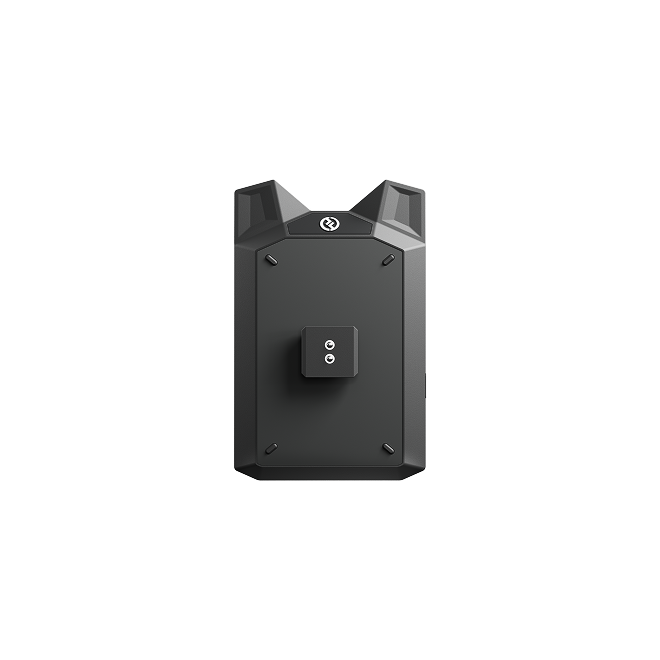
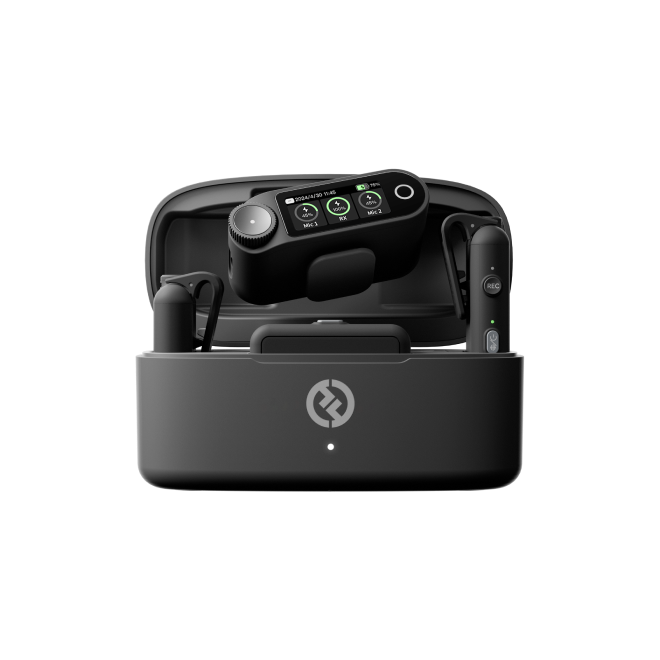
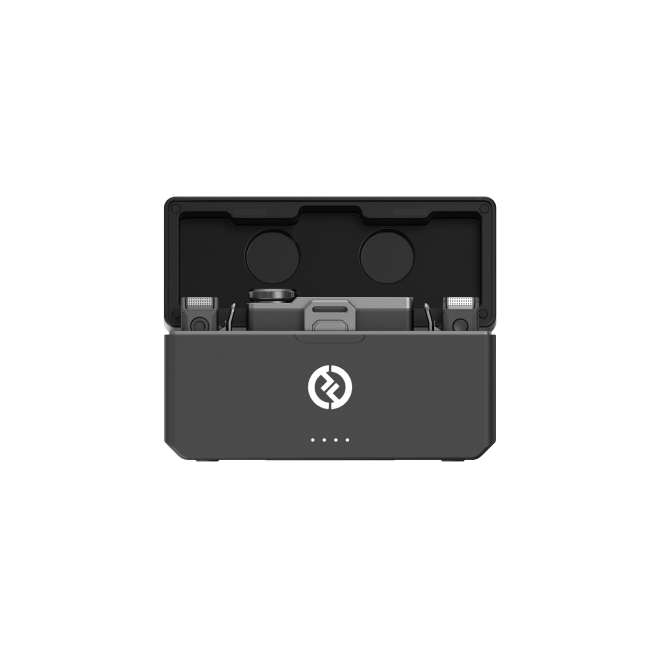
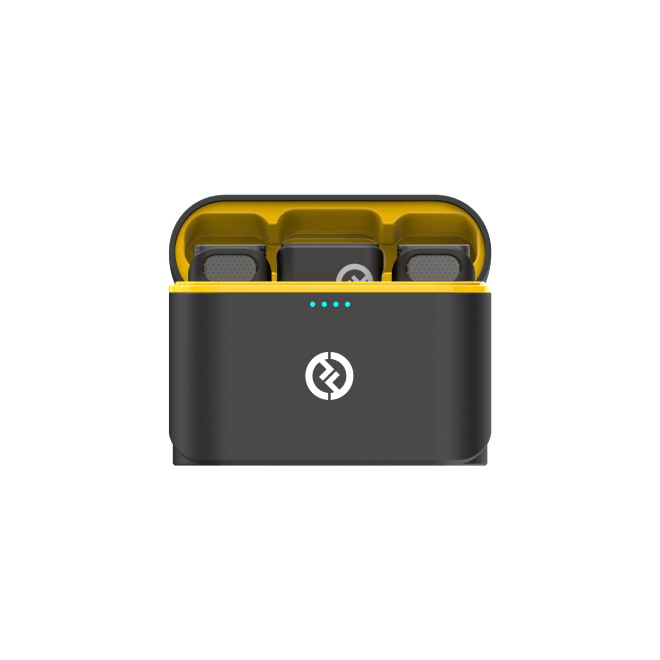
For creators who cannot afford a “bad take,” we recommend upgrading your input chain to the Hollyland LARK MAX 2.
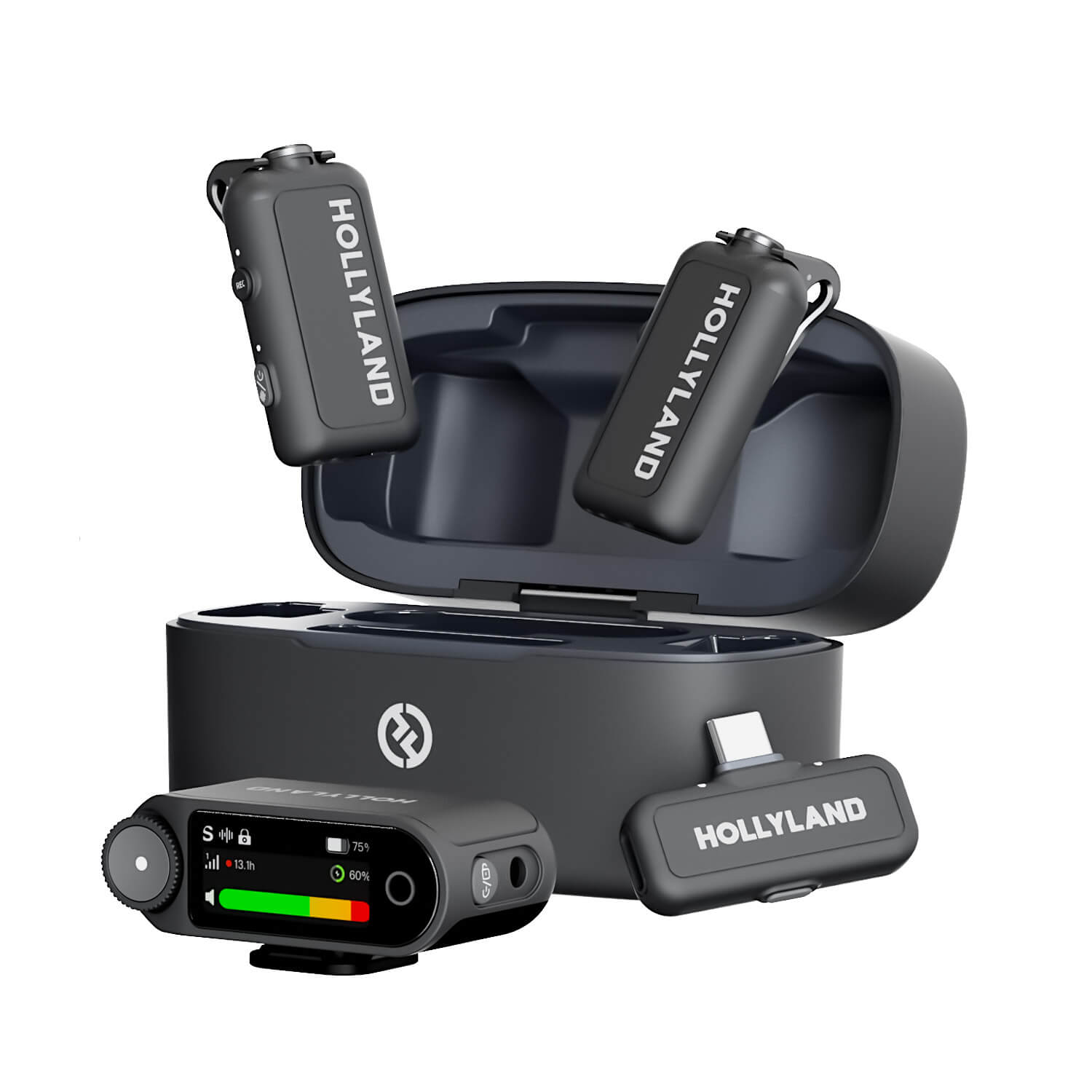

This wireless microphone system acts as a hardware safety net in two specific ways:
- 32-bit Float Recording: Just like Audacity’s internal processing, the LARK MAX 2 supports 32-bit float recording locally. This captures such a wide dynamic range that it is virtually impossible to clip the audio. If your levels spike unexpectedly, you can simply lower the volume in post-production without any loss of quality.
- Internal Backup: It features huge internal storage on the transmitter itself. Even if your computer crashes or Audacity freezes, you still have a pristine backup copy of the audio saved directly on the mic.
By pairing a stable SSD configuration in Audacity with the safety features of the Hollyland LARK MAX 2, you eliminate the two biggest risks in podcasting: running out of space and ruining the audio with distortion.
Troubleshooting Common Directory Errors
Even with the correct settings, Audacity can sometimes throw errors. Here is how to resolve the most frequent ones.
Error: “Audacity failed to read from a file in C:”
If you see this error (or a similar “Write error”), it generally means Audacity cannot access the drive where your temp folder is located.
- Check Disk Space: If your temp directory is on a drive with less than 1GB of free space, Audacity may lock up.
- Check Connection: If you ignored the warning and used an external drive, ensure the cable is secure.
- Shorten the Path: Windows has a character limit for file paths. If your temp directory is buried deep (e.g., C:\Users\Name\Documents\Audio\Projects\2024\Podcast\Temp…), move it to a shallower folder like C:\Audacity_Temp.
Error: “Unable to create temporary directory”
This message usually appears upon startup and indicates a permissions issue.
- Avoid System Folders: Do not set your temp directory to C:\Program Files or the root of C:. Windows restricts write access here to verify security.
- The Fix: Create a dedicated folder in your user documents, such as C:\Users\[YourName]\Documents\Audacity_Temp.
How to Clean Up Leftover Temp Files (.wal files)
Since Audacity 3.x uses a database structure, you may see files ending in .wal (Write Ahead Log) or .shm (Shared Memory) appearing alongside your project.
- If Audacity is Open: Do not touch these files. They contain active audio data. Deleting them will corrupt your session.
- If Audacity is Closed: These files should disappear automatically. If they persist after a clean shutdown, they are “orphans” from a previous crash. It is safe to delete them to reclaim space.
Frequently Asked Questions (FAQ)
Is it safe to delete Audacity temp files manually?
Only if Audacity is completely closed. If the software is running, deleting these files will crash your session. Once you save your project and close Audacity, the program cleans up the temp data automatically. Any files left over after closing are safe to delete.
How much space does Audacity recording take per hour?
Audio files fill up drives faster than you might expect. Here are rough estimates for one hour of recording:
- 16-bit PCM (Standard): ~600 MB (Stereo)
- 32-bit Float (High Quality): ~1.2 GB (Stereo)
Note: If you are editing a multi-track podcast with 4 microphones in 32-bit float, you are burning through nearly 5 GB per hour of temporary disk space.
Can I use a cloud drive (Dropbox/OneDrive) for temp files?
No. You should never set your Audacity temp directory to a folder that syncs to the cloud. Dropbox or OneDrive will try to sync the file while Audacity is writing to it. This conflict often causes Audacity to freeze or corrupt the database (.aup3), leaving you with an unreadable project. Always keep your active workspace on a local, internal drive.
Conclusion
Managing your Audacity Temporary Files Directory is more than just a settings tweak—it is an insurance policy for your creative work. By moving these files to a spacious, high-speed SSD, you avoid “Disk Full” errors and keep your editing smooth.
Take a moment right now to check your drive space. If you have less than 20GB free, move that directory immediately.
Software settings can save your files, but they can’t save a bad recording. For a truly crash-proof workflow, consider upgrading your input to the Hollyland LARK MAX 2. With its internal backup recording and 32-bit float technology, it ensures that even if your computer fails, your audio survives.