.png)
 简体中文

Field recording is one of audio’s biggest creative areas, yet many creators know little about it. Maybe you’re a filmmaker looking for natural background sounds. Or perhaps you’re a musician chasing rough, real-world audio textures. You might also be new and curious about what field recording means. Either way, this guide breaks down the basics in simple terms. You’ll learn what field recording is and where people use it. You’ll also see which tools you need to get started. Plus, you’ll learn how to make your first field recordings.
What Is Field Recording?
Field recording is the intentional capture of audio outside a controlled studio environment. Field recordists capture sounds right where they naturally happen. They might record forests, coastlines, busy streets, or transit hubs. Factories and markets can also offer plenty of interesting sounds. Basically, they record wherever natural sounds exist on their own. There’s no planned recording session shaping what gets captured. The defining characteristic is purposefulness. A field recordist is not simply capturing ambient noise as a byproduct; the location and its sounds are the subject of the work.
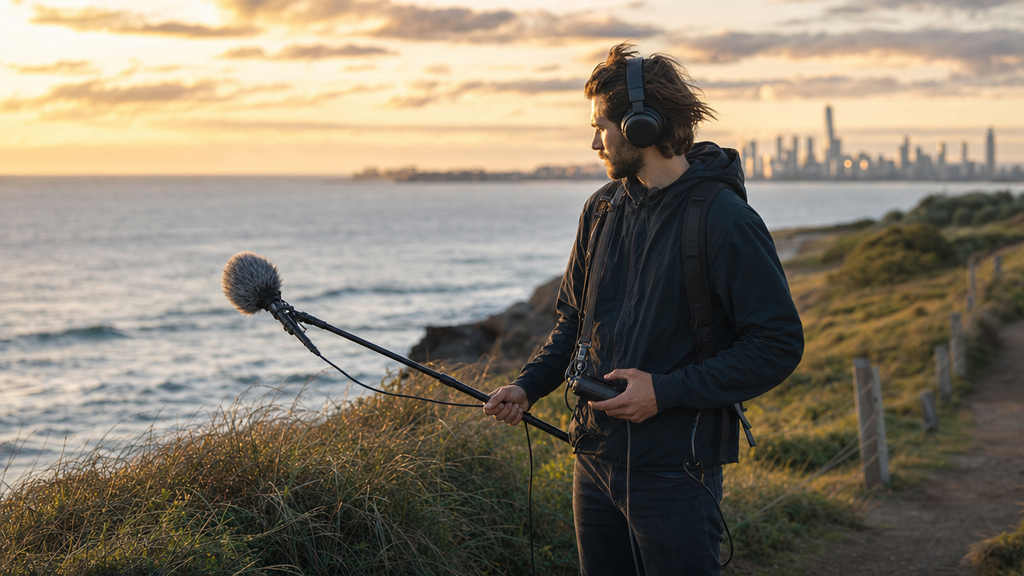
This distinguishes field recording from the kind of incidental audio you might capture on a phone during a video. A skilled field recordist picks each location with a clear reason. They place microphones carefully to capture the right sounds. They monitor everything live while the recording is happening. They also note what they recorded and where it happened. The act of listening closely to an environment, understanding its acoustic character, and capturing that character faithfully is the core skill at the heart of the practice.
Field recording sits at the intersection of technical craft and creative listening. Its outputs feed into film, music, game audio, scientific research, and cultural archives. The world itself becomes the studio, and every environment offers a unique and unrepeatable sonic identity.
A Brief History of Field Recording
The practice of capturing sound in the field predates modern audio technology by decades. In the early twentieth century, ethnomusicologists like Béla Bartók traveled to rural Hungary, Romania, and Turkey with portable wax cylinder recorders to document disappearing folk music traditions. These recordings were not performances; they were sonic documents of place and culture. That archival, documentary impulse remains central to field recording today.
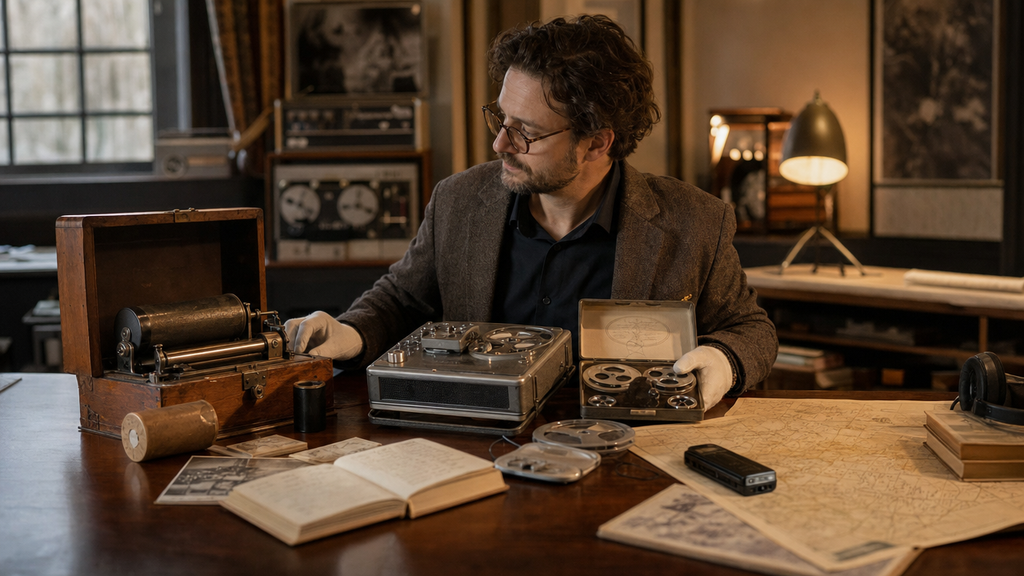
The invention of portable magnetic tape recorders in the mid-twentieth century opened the practice to a wider range of subjects. Natural sound documentarians and broadcasters could capture wildlife and environmental audio with increasing fidelity. At the same time, French composer Pierre Schaeffer was using location recordings as raw material for a compositional approach he called musique concrète, treating captured environmental sounds as musical building blocks. His work established field recording as a creative practice in its own right, not only a documentary tool.
In the 1970s, Canadian composer R. Murray Schafer introduced the concept of the soundscape and founded the field of acoustic ecology. Schafer argued that the sonic environment carries as much meaning as the visual one, and that recording and analyzing soundscapes is essential to understanding how environments change over time. His framework gave the practice a scientific and philosophical foundation that continues to shape ecological and bioacoustic research.
The shift to digital recording significantly lowered the barriers to entry. Compact, high-quality portable recorders made the practice accessible to independent creators, and the internet enabled communities to share work, exchange technique, and build collaborative sound libraries. Today, figures like nature recordist Chris Watson and bioacoustician Bernie Krause carry the tradition forward while new practitioners enter the field every year.
What Is Field Recording Used For?
Field recording is not a single-purpose discipline. It feeds into a broad range of industries and creative practices, and understanding its applications clarifies why it matters to so many different types of creators.

- Film and documentary sound: Location recordists capture room tone, environmental ambience, and acoustic beds on set or during location scouting. These recordings provide the textural foundation that makes a scene feel grounded in a real place, even after extensive post-production processing.
- Sound design for games and post-production: Sound designers build effects libraries by recording the real world and processing those recordings creatively. A sword impact in a video game might originate as a recording of a metal cable under tension. Raw field recordings are the essential source material.
- Music composition: Artists working in ambient, experimental, electroacoustic, and concrete music traditions incorporate field recordings directly into compositions. Found environmental sounds become melodic or rhythmic elements, blurring the boundary between music and document.
- Scientific and ecological research: Bioacousticians use field recordings to study animal behavior, track species populations, and assess ecosystem health. Acoustic ecology researchers monitor how soundscapes shift in response to human activity, climate change, and seasonal cycles.
- Sound libraries and archives: Commercial sound effects libraries are built primarily from field recordings contributed by practitioners worldwide. Cultural institutions and oral history projects also use field recording techniques to preserve endangered languages, traditional music, and community histories.
- Journalism and documentary interviews: Reporters and documentary filmmakers regularly capture voice in uncontrolled outdoor settings where background noise, wind, and variable distance all challenge intelligibility. This voice-forward application calls for different equipment priorities than ambient landscape work.
Types of Field Recording
Field recording is broad enough to encompass dramatically different subjects and methods. The table below maps the main categories to their subject matter and typical practitioners.
| Type | What It Captures / Who Uses It |
|---|---|
| Nature / Wildlife Recording | Birdsong, insect activity, water, wind, and animal behavior in natural habitats. Used by bioacousticians, nature documentarians, and sound designers seeking organic textures. |
| Urban / Environmental Recording | City ambience, traffic, crowds, architectural acoustics, and the layered soundscapes of public spaces. Used by sound designers, composers, and acoustic ecologists. |
| Industrial Recording | Machinery, infrastructure, factories, construction, and mechanical processes. Used by sound designers and experimental composers seeking dense textural or rhythmic source material. |
| Bioacoustic / Underwater Recording | Marine life, underwater environments, and sub-surface soundscapes captured with hydrophones. Used primarily in scientific research and documentary production. |
| Documentary Voice Recording | Interviews, oral histories, and speech captured in real-world environments. Used by journalists, documentary filmmakers, and cultural archivists. |
| Binaural / Immersive Recording | Three-dimensional spatial audio captured using microphones placed in or near the ears, often mounted in a dummy head. Used for immersive media, VR audio, and headphone-optimized content. |
Essential Equipment for Field Recording
Field recording does not require a single standard kit. The gear you need depends heavily on the recording type, but certain equipment categories are common across most applications. What follows is a functional overview, not a buying guide.

Portable audio recorders are the backbone of any field recording setup. Handheld digital recorders from manufacturers like Zoom and Tascam let practitioners capture high-quality audio without a laptop or studio interface. Modern units support 24-bit/96 kHz recording, and many now offer 32-bit float capture, which is a significant advantage in unpredictable outdoor environments where gain cannot be reliably preset before recording begins.
Microphones vary widely by application. Stereo microphone bars configured in XY, ORTF, or mid-side (M-S) arrangements are common for capturing broad environmental soundscapes. ORTF spacing produces a naturalistic stereo image, XY pairs offer a tighter, more phase-coherent capture, and mid-side recording provides adjustable stereo width that can be shaped in post-production. Shotgun microphones provide directional focus to isolate specific sounds in complex environments. Contact microphones attach directly to surfaces to capture structural vibrations, while hydrophones are submersible for underwater work. A single universal microphone rarely serves all field recording applications.
Windshields and blimp housings are not optional accessories but essential tools for outdoor use. Wind noise is the most persistent problem in field work, and even a light breeze can render an otherwise clean recording unusable. A properly fitted blimp and suspension mount significantly reduce low-frequency wind interference across a wide range of outdoor conditions.
Headphones serve a different purpose in the field than in the studio. Closed-back monitoring headphones allow recordists to hear what the microphone is capturing in real time, making it possible to identify handling noise, wind artifacts, or unexpected frequency issues before they compromise the entire session.
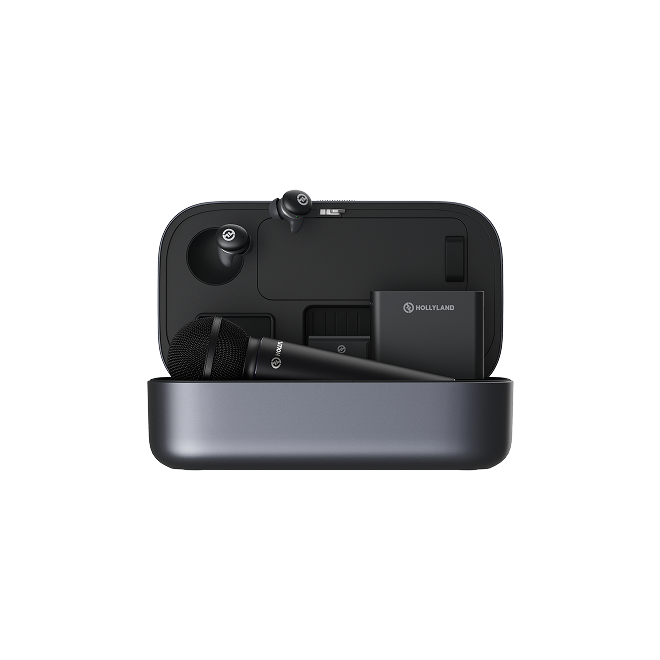
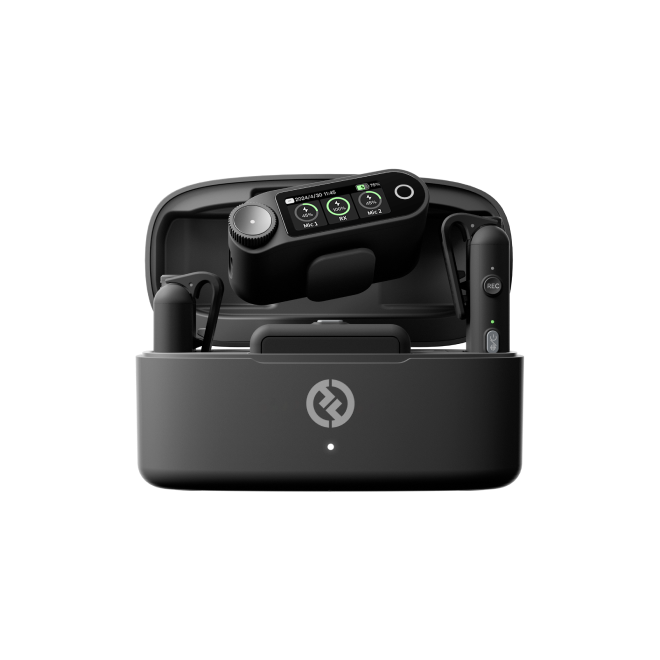
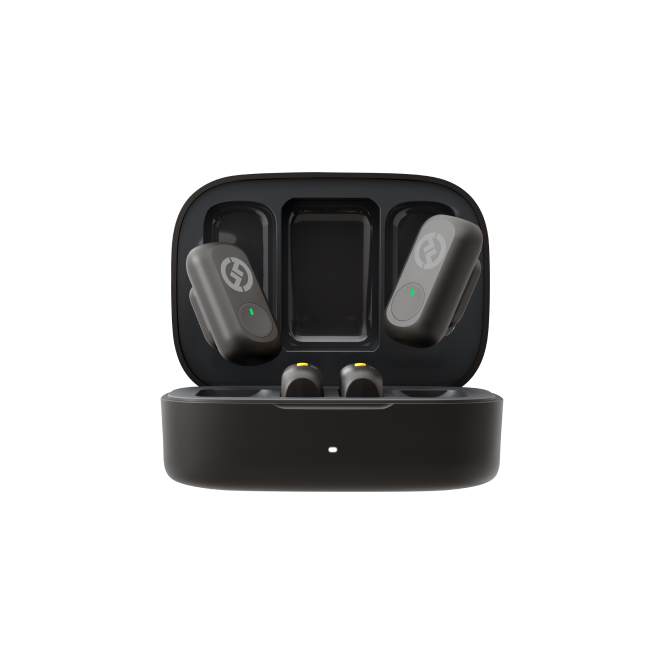
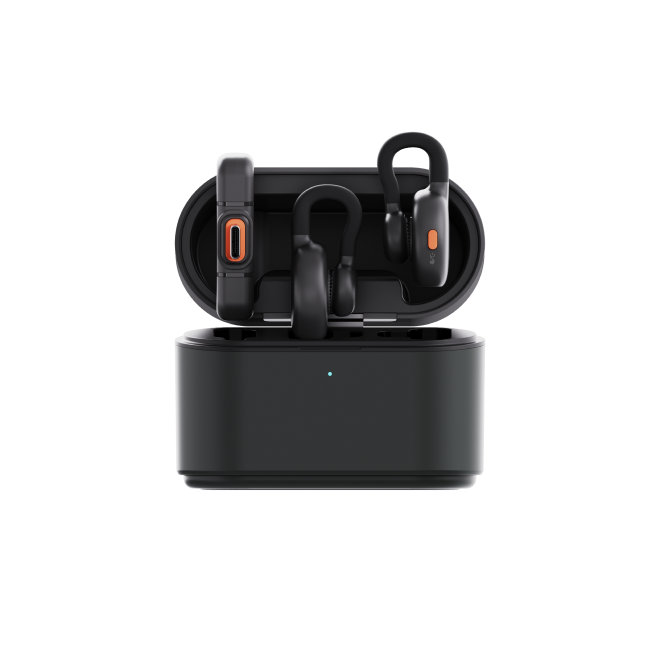
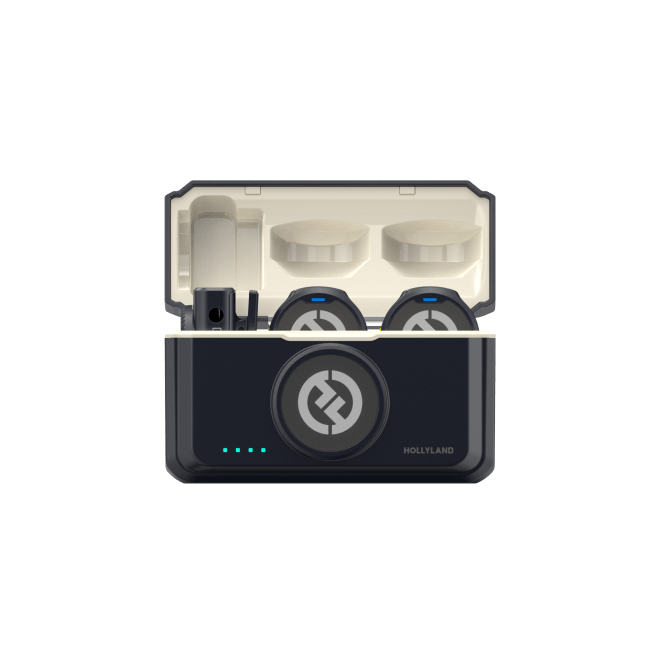
Wireless lavalier systems become directly relevant when the field recording subject is a human voice. Documentary work, journalism, and oral history projects all involve capturing speech in environments where background noise and recording distance are difficult to control. In these conditions, 32-bit float internal recording is a meaningful technical advantage. It captures usable audio even when incoming levels are not set correctly, eliminating clipping and preserving the full dynamic range. The Hollyland LARK MAX 2 is a compact wireless lavalier system built for outdoor field conditions that offers 32-bit float internal backup recording and AI-powered noise cancellation, both directly applicable to voice capture in unpredictable environments.
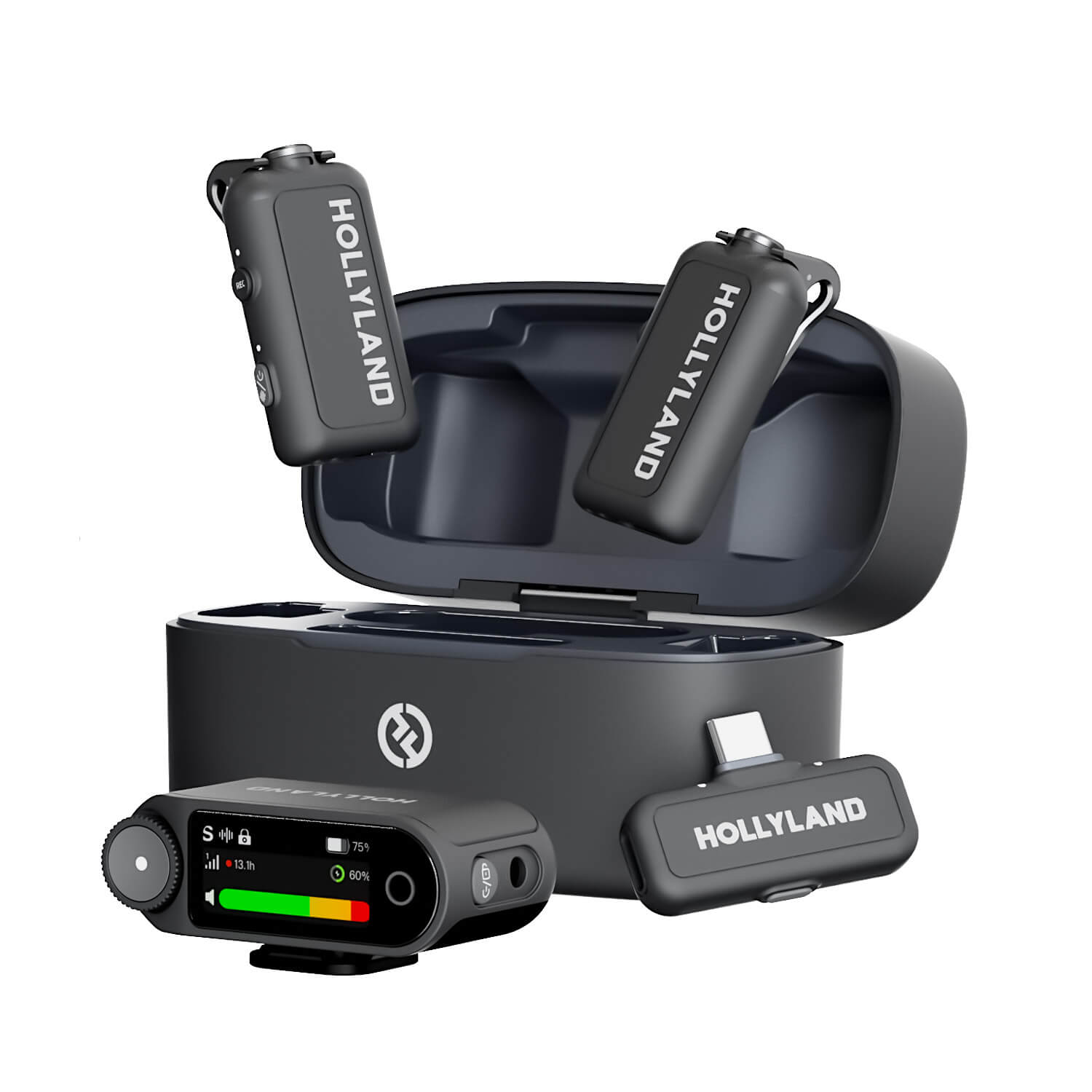
Hollyland LARK MAX 2 - Premium Wireless Microphone System
A premium wireless microphone for videographers, podcasters, and content creators to capture broadcast-quality sound.
Key Features: Wireless Audio Monitoring | 32-bit Float | Timecode
Storage and power are logistical essentials that field recordists learn to manage carefully. High-speed SD cards with adequate capacity prevent interrupted sessions, and spare batteries or a USB-C power bank ensure continuity during extended fieldwork where fixed power sources are unavailable.
Pro Tip: Label your SD cards by session date and location immediately after each recording day. Field recordings lose much of their archival and creative value without accurate metadata linking each file to the time, place, and conditions of its capture.
Field Recording vs. Studio Recording
The difference between these two approaches is one of environment and intent, not quality or professionalism. The table below clarifies the key contrasts.
| Field Recording | Studio Recording | |
|---|---|---|
| Acoustic environment | Uncontrolled and variable; shaped by the location | Controlled, treated, and acoustically isolated |
| Equipment | Portable, battery-powered, weatherproof where possible | Fixed or semi-fixed installations |
| Take repeatability | Single-take capture; moments are often unrepeatable | Multiple takes possible; performances can be reset |
| Noise floor | Environment-dependent; background noise is managed, not eliminated | Near-silent baseline; noise is introduced rather than inherited |
| Creative intent | Environmental authenticity; the location is the subject | Technical precision; the performance is the subject |
| Typical applications | Soundscapes, documentary audio, location sound, ecological research | Music production, voiceover, podcast, commercial audio |
How to Start Field Recording
Starting out in field recording is more accessible than most beginners expect. The steps below offer a practical entry point without overwhelming you with gear decisions before you have had a chance to develop your listening instincts.

- Use what you already have. A quality smartphone paired with a clip-on stereo microphone is a legitimate entry-level setup. The priority in early sessions is developing your listening habits and understanding how microphone placement shapes the captured sound, not achieving broadcast-quality output from day one.
- Choose a subject that connects to your existing work. Field recording is easier to sustain when it serves something you already care about. If you work in film, start by recording location ambience on your next shoot. If you are a musician, try capturing the acoustic character of an interesting space. Connecting the practice to a current project accelerates the learning curve.
- Monitor everything in real time. Never record without headphones. Hearing precisely what your microphone is capturing while you record is one of the most critical skills to develop, and it is only possible if you actively listen through your monitoring chain during each session.
- Document what you record. Good metadata separates a useful recording from an unidentifiable audio file three months later. Note the date, location, time of day, weather conditions, microphone placement, and any unusual acoustic circumstances. Many recordists use a small notebook or a quick voice memo to capture this information immediately after each take.
- Engage with the field recording community. Sites like Freesound offer freely licensed recordings for study and reference. The BBC Sound Effects Library provides high-quality benchmark material. Online communities gather around forums, subreddits, and dedicated podcast groups where practitioners share techniques, feedback, and project ideas. Listening critically to the work of experienced recordists is one of the fastest ways to calibrate your own standards.
Frequently Asked Questions
Is field recording the same as Foley?
No. Foley means recreating specific sounds inside a studio setup. Think footsteps, cloth movement, or other small sound effects. These sounds are carefully performed while matching the video. Everything happens in sync with what appears on screen. Field recording captures sounds in their actual environments. The two practices are distinct, though Foley artists often use field recordings as layering material within their staged performances.
Do you need professional equipment to start field recording?
Not at all. A basic portable recorder paired with an entry-level stereo microphone is a fully functional starting kit, and many practitioners begin with smartphone setups before investing in dedicated hardware. Equipment needs scale with your use case; a wildlife bioacoustician and a documentary journalist have very different gear requirements, even though both practice field recording.
Can field recordings be sold or licensed?
Yes. Commercial sound effects libraries are built almost entirely from field recordings, and the recordist owns the rights. Keep in mind that certain locations, including national parks, private property, and some public events, may require advance permits or written permission before you record or sell the resulting audio.
What file format should I use for field recording?
WAV at 24-bit/96 kHz is the widely accepted standard for professional-grade field recording. 32-bit float is increasingly preferred for unpredictable outdoor conditions because it protects against clipping and preserves full audio detail even when input levels aren’t set correctly before the session begins.
What is the difference between binaural and stereo field recording?
Stereo recording captures a left-right sound image using two microphones in standard configurations such as XY or ORTF. Binaural recording uses microphones placed in or near the ears, often mounted in a dummy head, to replicate natural human hearing geometry. Binaural recordings produce a convincing three-dimensional soundstage when played back through headphones.
Conclusion
Field recording treats the real world as a living, unrepeatable sonic subject. From nature documentaries and game audio to ecological research and experimental music, it connects practitioners across disciplines through one shared instinct: the drive to capture the acoustic character of a place with intention and skill.


