.png)
 简体中文

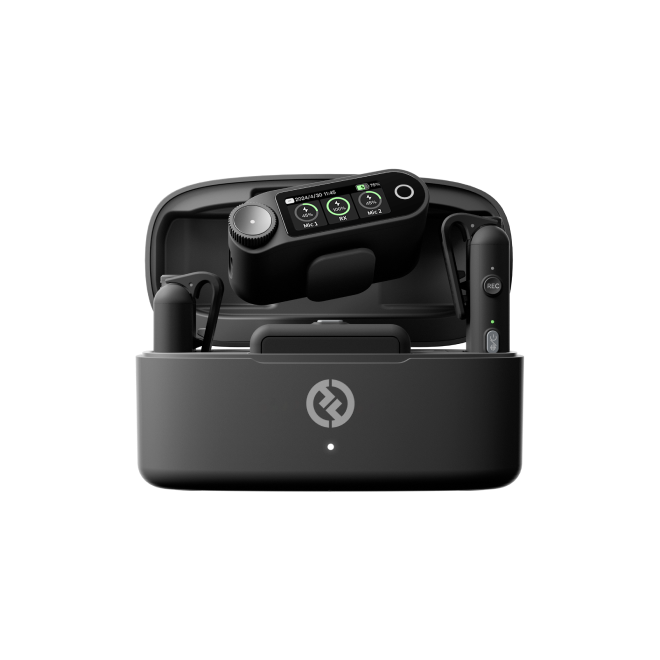
LARK M2
The versatile everyday lav for creators and camera operators
- ENC Noise Cancellation
- 300m Wireless Range
- 40 hrs Total Battery

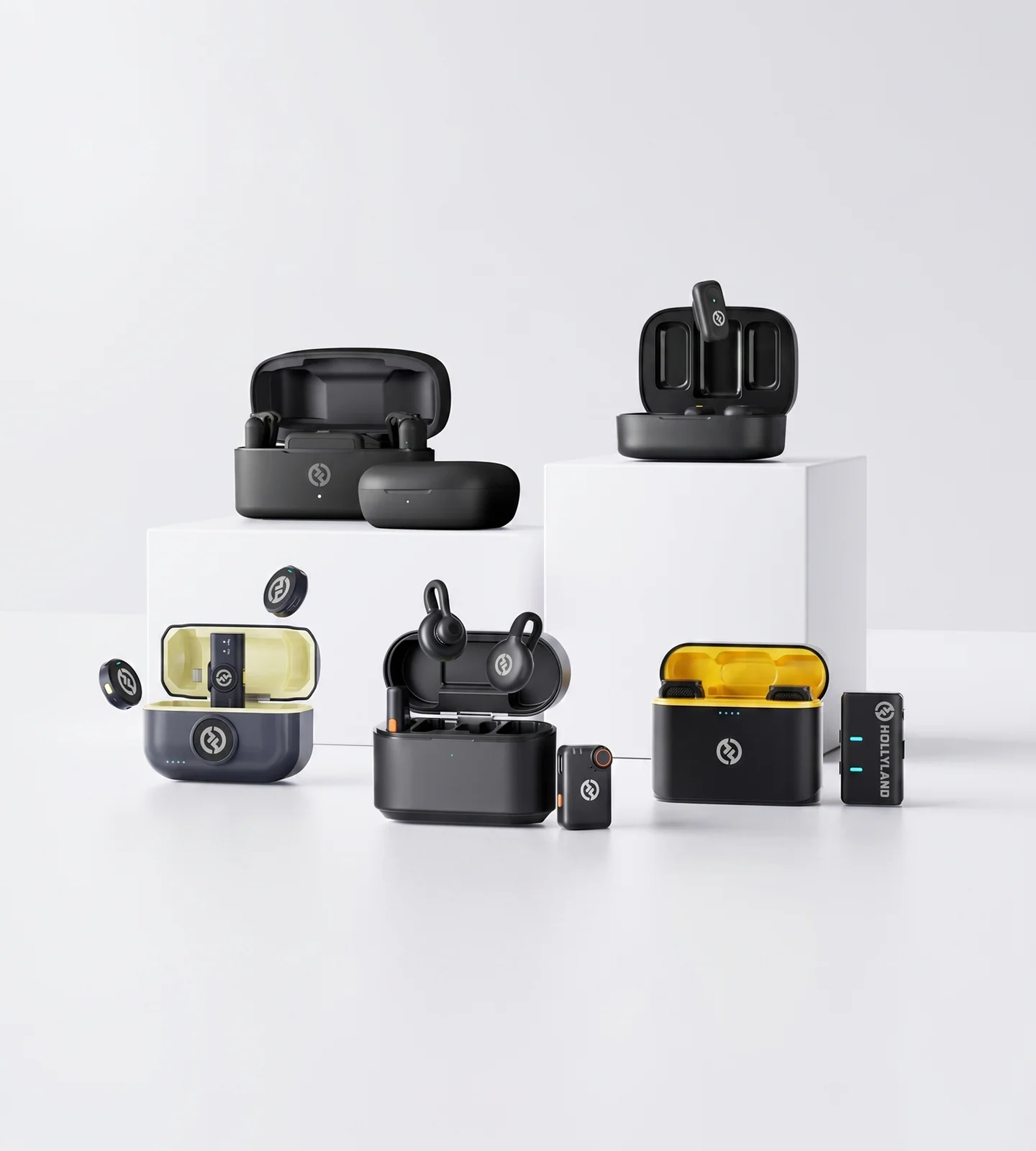
Discover Hollyland's wireless lavalier microphone range — ultra-light, noise-cancelling clip-ons built for every creator level. From plug-and-play smartphone mics to professional 32-bit float systems, capture studio-grade, wire-free audio anywhere you shoot — no cables, no compromise.
Compatible with smartphones, DSLR & mirrorless cameras — plug in and record.
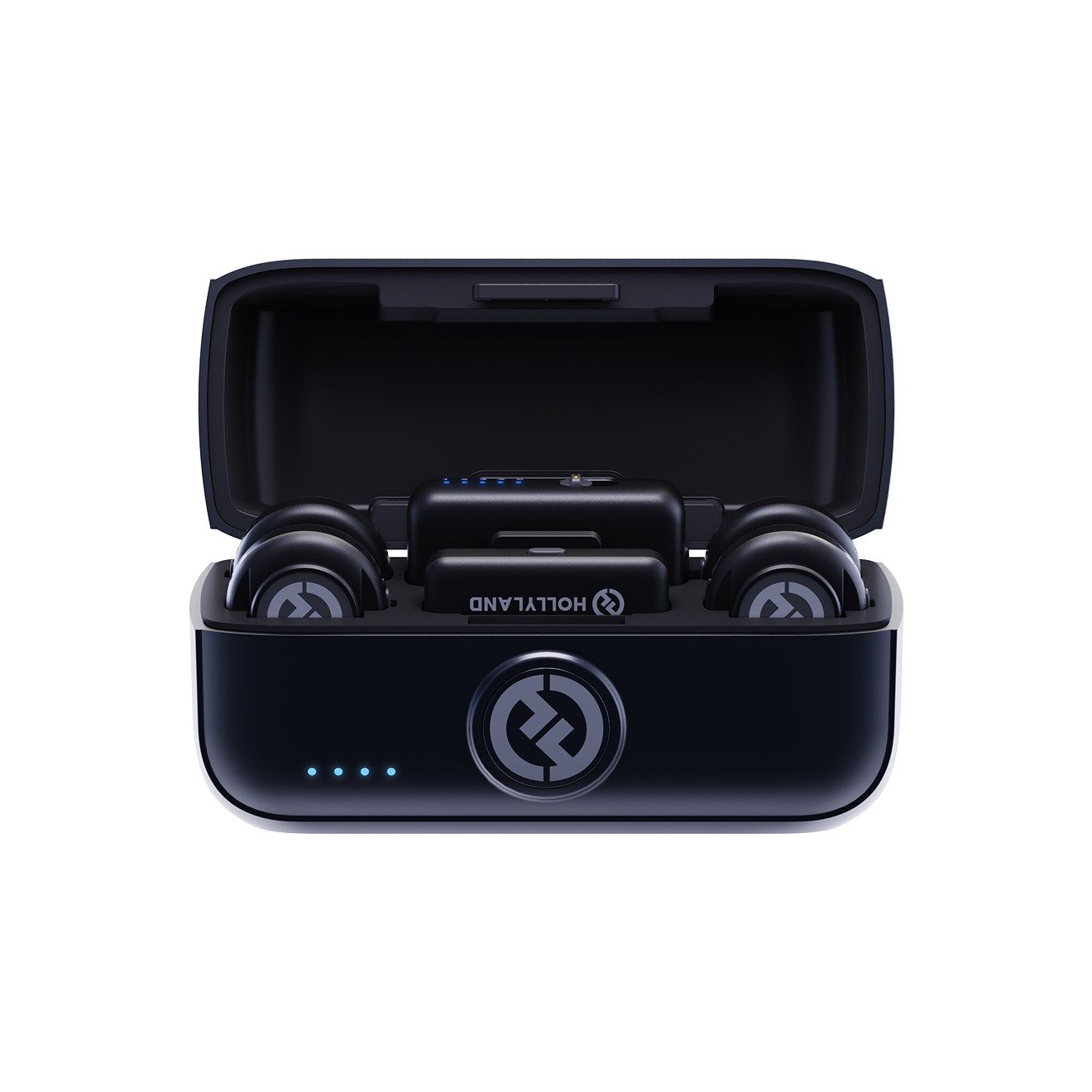
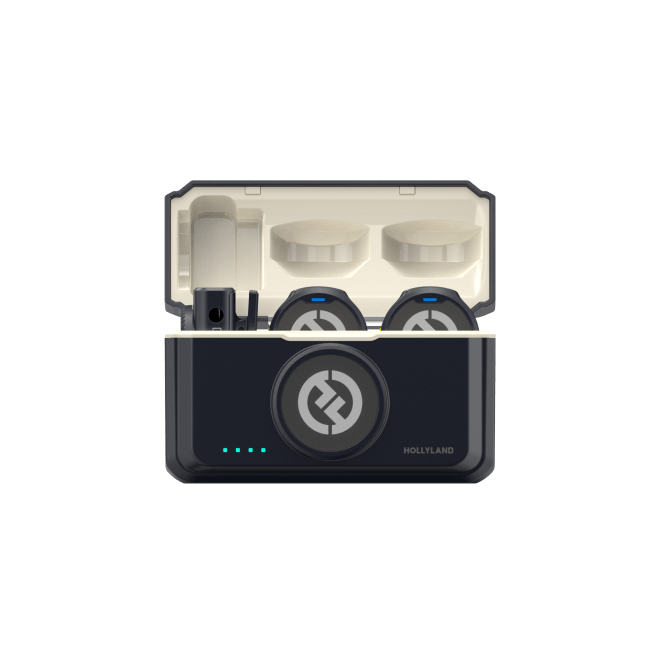
The versatile everyday lav for creators and camera operators

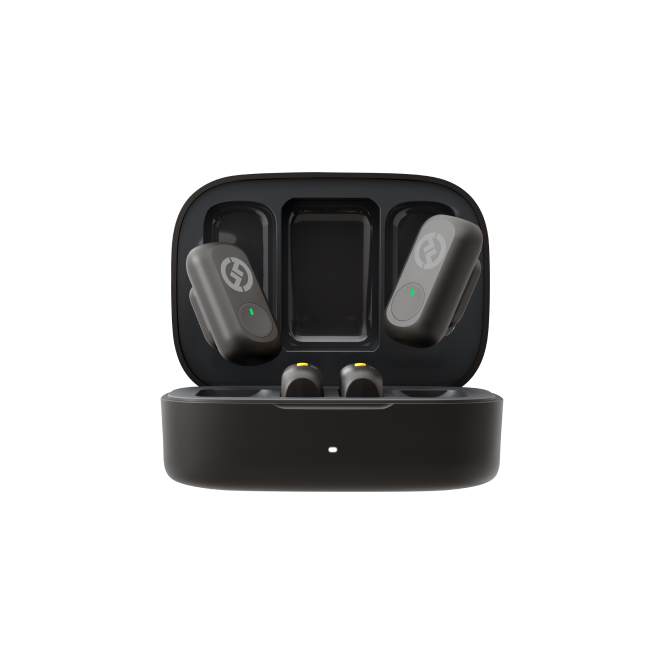
The camera-ready lav for style-conscious on-screen creators

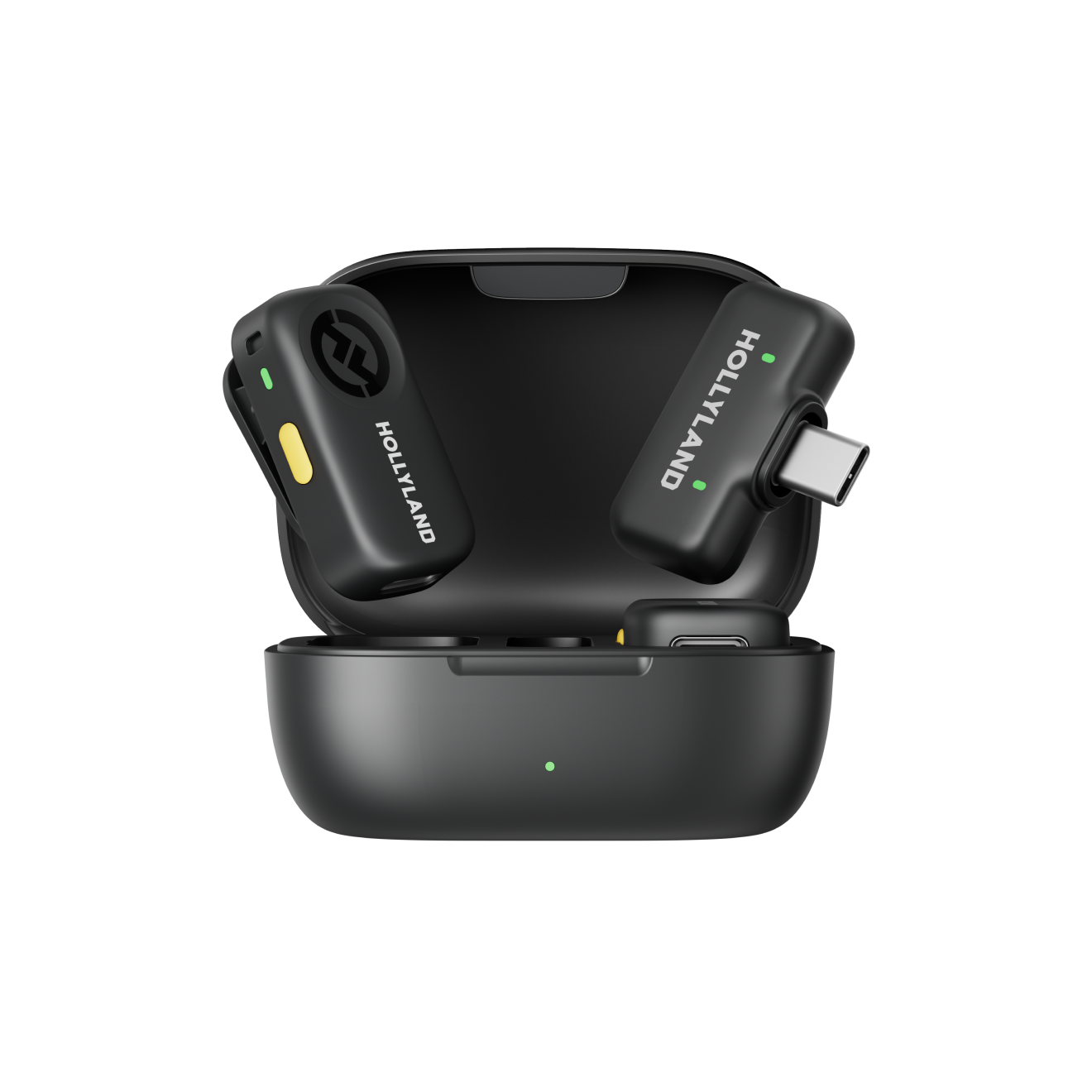
The smartphone lav for mobile creators and casual vloggers

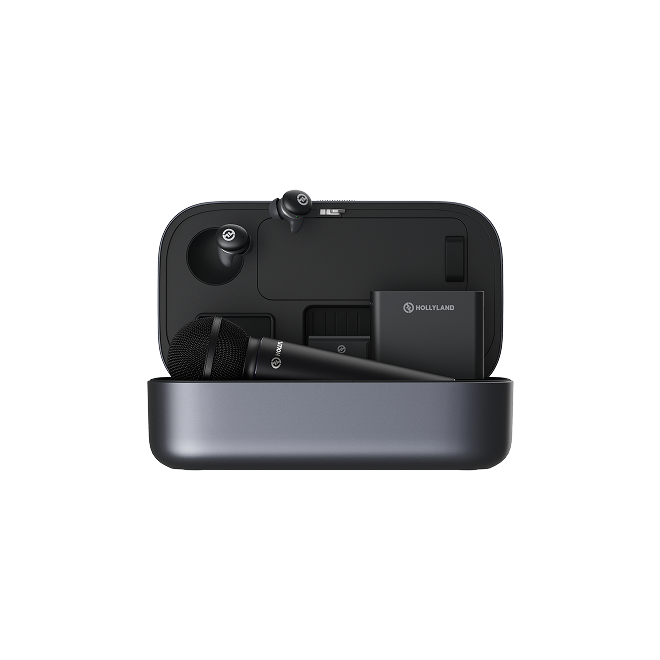
The pro wireless system for filmmakers and production teams
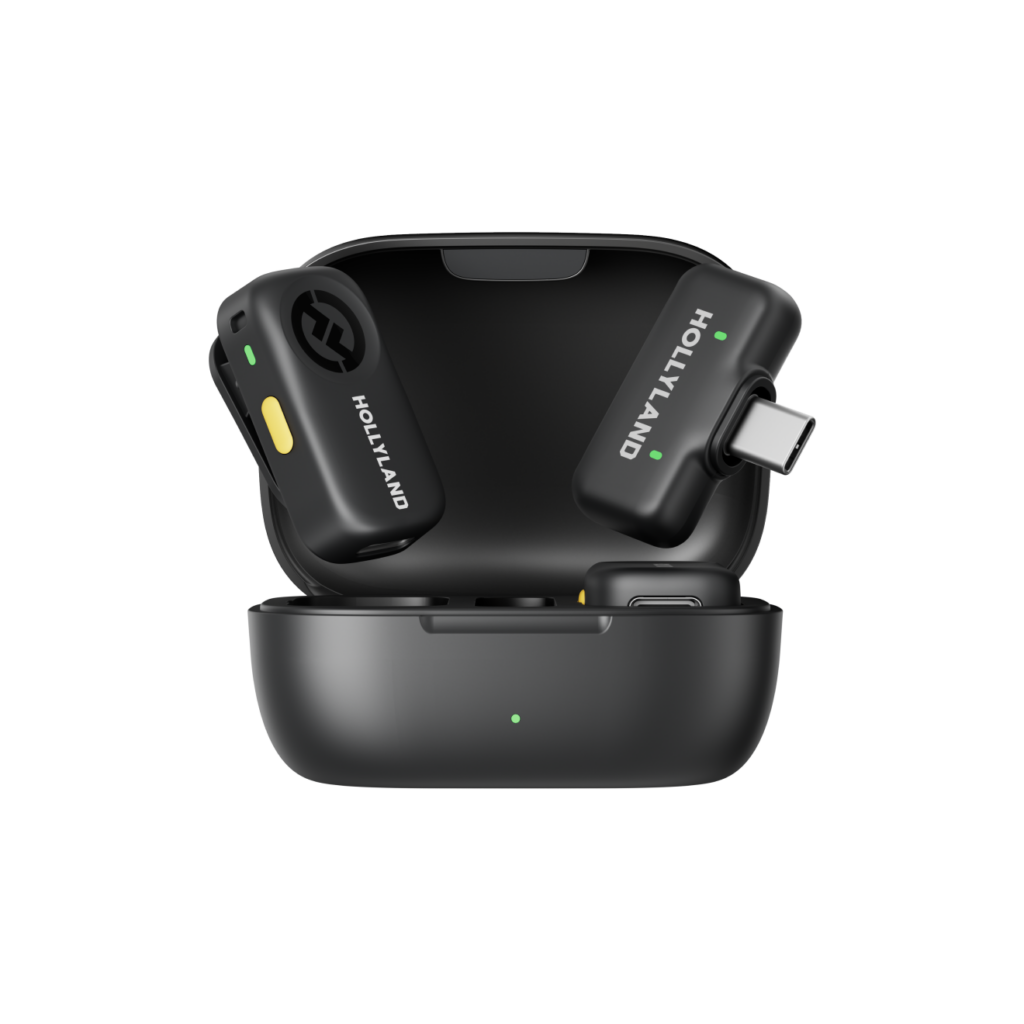
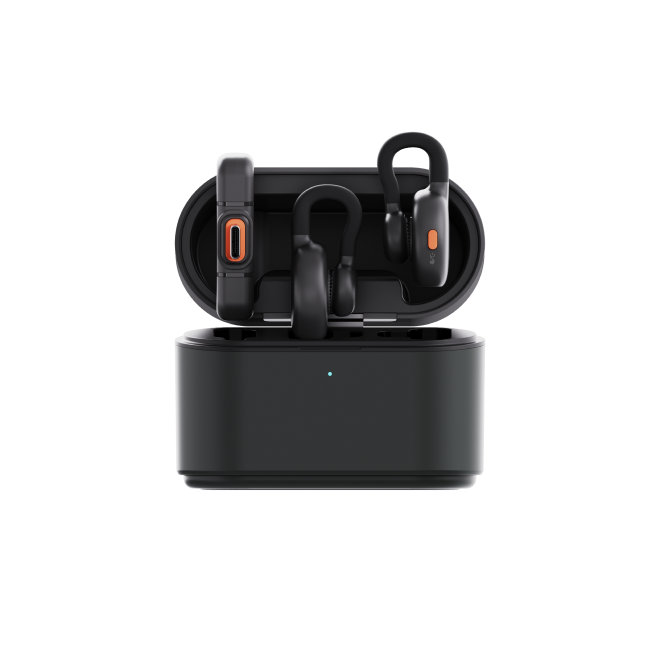
The clip-and-go mobile lav with AI noise cancellation
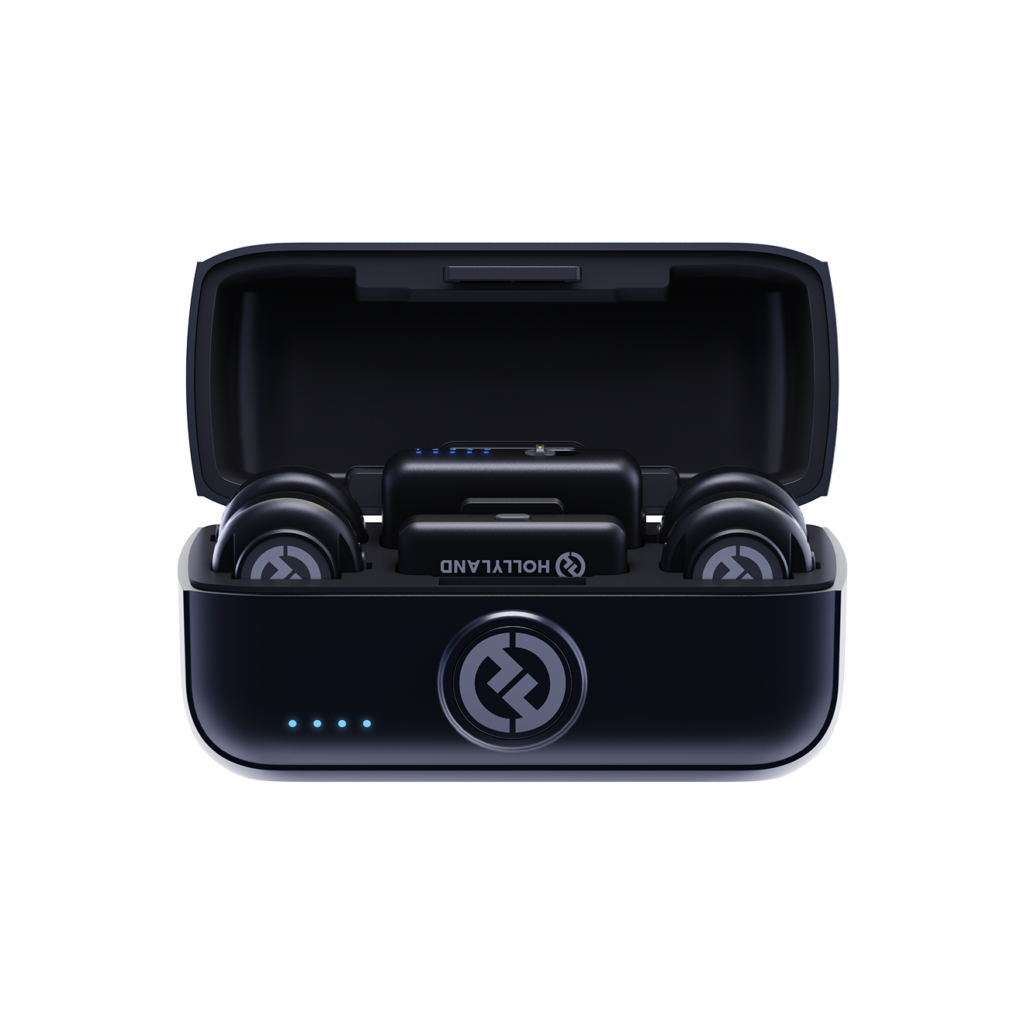
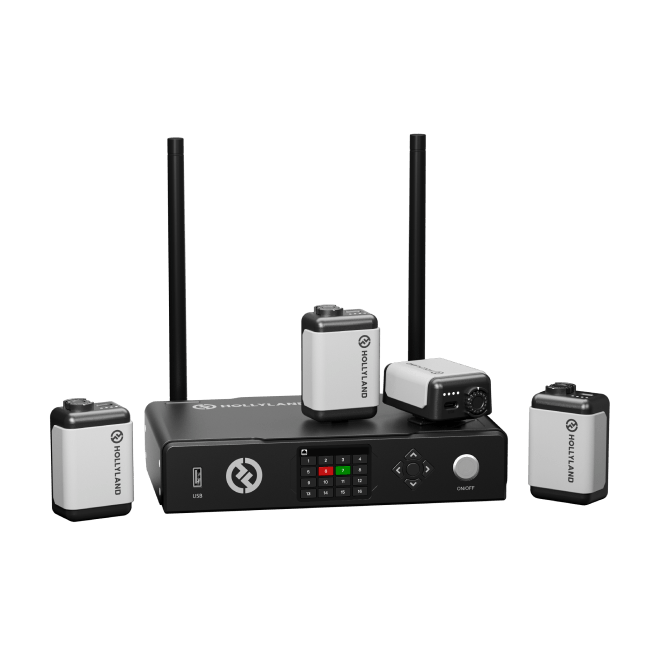
The broadcast-grade multi-mic system for creators who demand more
| Model |
LARK M2
|
LARK M2S
|
LARK A1
|
LARK MAX 2
|
LARK A2
|
LARK M3
|
|---|---|---|---|---|---|---|
| Recording Format | 48kHz / 24-bit WAV | 48kHz / 24-bit | 48kHz / 24-bit | 48kHz / 32-bit Float & 24-bit | 48kHz / 24-bit | 48kHz / 24-bit & 48kHz / 32-bit Float |
| Noise Cancellation | ENC Environmental Noise Cancellation | ENC Environmental Noise Cancellation | 3-Level Intelligent Noise Cancellation | AI Noise Cancellation | AI-Powered Noise Cancellation | Adaptive AI Noise Cancellation |
| Wireless Range (LOS) | 300m / 1000ft | 300m / 1000ft | 200m / 650ft | 340m / 1115ft | 200m / 656ft | 300m / 1000ft |
| Battery Life (TX) | ~10 hours | ~9 hours | ~9 hours | ~11 hours | ~7 hours | ~8 hours |
| Total Battery Life | Up to 40 hours | Up to 30 hours | Up to 54 hours | Up to 36 hours | Up to 21 hours | Up to 48 hours |
| Transmitter Weight | ~9g | ~7g | ~8g | ~14g | ~8.5g | ~9g |
| Device Compatibility | Smartphone, Camera & Universal (Combo) | Smartphone, Camera & Universal (Combo) | Smartphone | Camera | Smartphone & Mobile Devices | Camera |
| Internal Recording | — | — | — | 32-bit Float, up to 14 hours | Safety Track (backup protection) | 32-bit Float & 24-bit (4 independent isolated tracks) |
| Shop | Shop | Shop | Shop | Shop | Shop |
The first question to answer is what you're plugging into — because the receiver output determines compatibility, and getting this wrong means the mic won't work with your gear.
Matching the receiver to your device first eliminates the most common source of post-purchase frustration.
Background noise is the most damaging and least controllable variable in location audio. Wind, crowd chatter, air conditioning, traffic — a lavalier mic without strong noise rejection will pick up all of it alongside your voice.
There are two main types to look for:
For controlled indoor recordings, ENC is typically more than sufficient. For outdoor, event, or unpredictable environments, AI noise cancellation provides a more robust safety net.
Range specifications are always stated as LOS (line-of-sight) — the maximum distance in a clear, unobstructed space. In real shooting conditions, you're dealing with NLOS (non-line-of-sight): walls, clothing, crowds, and other obstacles that reduce effective range significantly.
A quick reference by use case:
Always check both the LOS and NLOS spec — the LOS number tells you the ceiling; the NLOS number tells you what to expect on most actual shoots.
Three technical specifications define the quality ceiling of any lavalier mic system:
For most content creators, 48kHz / 24-bit delivers excellent results. For professional productions where audio safety is non-negotiable — especially at high-volume events — 32-bit float recording (available on the LARK MAX 2) eliminates clipping as a risk entirely.
Battery specs matter in two distinct ways, and both are worth checking:
For solo creators and occasional shooters, per-charge life is usually the only number that matters. For event videographers, wedding teams, or anyone shooting multi-day on location, total case capacity is the more important figure — it determines how long you can operate completely off-grid.
A lavalier mic lives on clothing, often in or near the frame. Its physical presence matters — for subject comfort, for practical wearability, and for how the shot looks.
For journalists, on-screen talent, and interview subjects, discreetness is a feature as important as audio quality.
The right balance of ease-of-use and advanced features depends on your workflow — and more features are only an advantage if you'll actually use them.
If you're a solo creator shooting quick content, a simple plug-and-play system will outperform a feature-rich pro rig every time — because the best mic is the one you can deploy in 30 seconds without thinking.
For any shoot where there's no option to redo a take — live events, documentary interviews, ceremonies — audio safety features are not optional extras.
The higher the stakes of the recording, the more these features shift from "nice to have" to "non-negotiable."
I love my new LARK M2 mics. These were so good, and I really enjoyed testing out the new LARK M2 from Hollyland.
Sarah Grace Tech Creator · 3.2M YouTube subscribers
The Hollyland LARK MAX is the wireless microphone system with the clearest and crispest audio of any wireless mic system I have ever tried.
Goenrock Cinematographer · 107K Instagram subscribers
LARK MAX is doing an excellent job of dropping the sound of the air conditioner, which is something l always have to remove and post with our shotgun mic.
Film Riot Filmmaking Educator · 2.2M YouTube subscribers
It depends on your device, use case, and experience level:
If you're still unsure, use the filter above to sort by compatibility and use case.
Compatibility varies by model and version — here's a quick breakdown:
Always check the individual product page for the exact version and connector options before adding to cart.
Every model in the lineup includes active noise reduction technology — but the approach varies by tier:
For outdoor shooting, all models also accept windscreen accessories to further reduce handling and wind noise.
Wireless range depends on the model and your environment:
| Model | Range (Line of Sight) | Range (NLOS / Obstructed) |
|---|---|---|
| LARK A1 | 200m / 650ft | — |
| LARK A2 | 200m / 656ft | — |
| LARK M2 | 300m / 1000ft | 40–60m |
| LARK M2S | 300m / 1000ft | 40–60m |
| LARK M3 | 300m / 1000ft | — |
| LARK MAX 2 | 340m / 1115ft | 70m / 230ft |
Line-of-sight (LOS) range applies in open outdoor conditions. In real-world scenarios — through walls, around corners, or in crowded spaces — expect NLOS performance. For most indoor interviews, events, and controlled shoots, any model in the lineup comfortably covers typical working distances.
Yes — every Hollyland lavalier mic is designed with all-day battery performance in mind:
| Model | Battery Per Charge (TX) | Total with Charging Case |
|---|---|---|
| LARK A2 | ~7 hours | Up to 21 hours |
| LARK M2S | ~9 hours | Up to 30 hours |
| LARK MAX 2 | ~11 hours | Up to 36 hours |
| LARK M2 | ~10 hours | Up to 40 hours |
| LARK M3 | ~8 hours | Up to 48 hours |
| LARK A1 | ~9 hours | Up to 54 hours |
The charging case acts as a portable power bank for the transmitter and receiver, so you can top up between setups without carrying a separate charger. The LARK M3 charging case provides 2 additional full recharges per TX, delivering up to 48 hours total. The LARK A2 also supports 1.5-hour quick charging — useful when you're short on prep time before a shoot.
Hollyland's lavalier mics are designed to stay discreet on screen:
For the most invisible on-screen result, the LARK M2S is the recommended choice.
32-bit float is a recording format that captures an exceptionally wide dynamic range — wide enough that audio essentially cannot clip or distort, even if volume levels spike unexpectedly during recording. This means you can recover and correct levels in post-production without losing audio quality, regardless of how loud or quiet the original source was.
Two Hollyland lavalier mics support 32-bit float:
Do you need it? If you're recording interviews, documentary footage, speeches, events, or any scenario where you can't manually ride the gain in real time — 32-bit float is a meaningful safeguard. For standard content creation in controlled environments, 24-bit recording (available on all other models) delivers excellent broadcast-grade quality.
Not at all. Most models are designed for plug-and-play use — clip on the transmitter, connect the receiver to your device, and you're recording. There are no complex menus to navigate or audio engineering knowledge required.
For creators who want more control:
- The LARK M2 (mobile version) and LARK M2S offer optional app control for adjusting noise cancellation, gain, and monitoring settings.
- The LARK A1 supports 6-level gain adjustment and EQ/reverb tuning for dialing in your exact sound.
- The LARK MAX 2 includes more advanced settings — timecode sync, multi-TX management, and AI noise cancellation — accessible via the device interface.
You can keep it simple and shoot immediately, or configure for precision. The choice is yours.
Hollyland builds clipping protection into several models specifically to prevent distorted recordings:
For events, speeches, or any high-SPL environment where volume is unpredictable, the LARK A2 and LARK MAX 2 offer the strongest protection.
Yes — depending on the model:
For the LARK M2, LARK M2S, and LARK A1, audio is transmitted wirelessly and recorded directly to your connected device rather than stored onboard the transmitter. These models deliver reliable wireless performance rather than onboard redundancy.