.png)
 简体中文
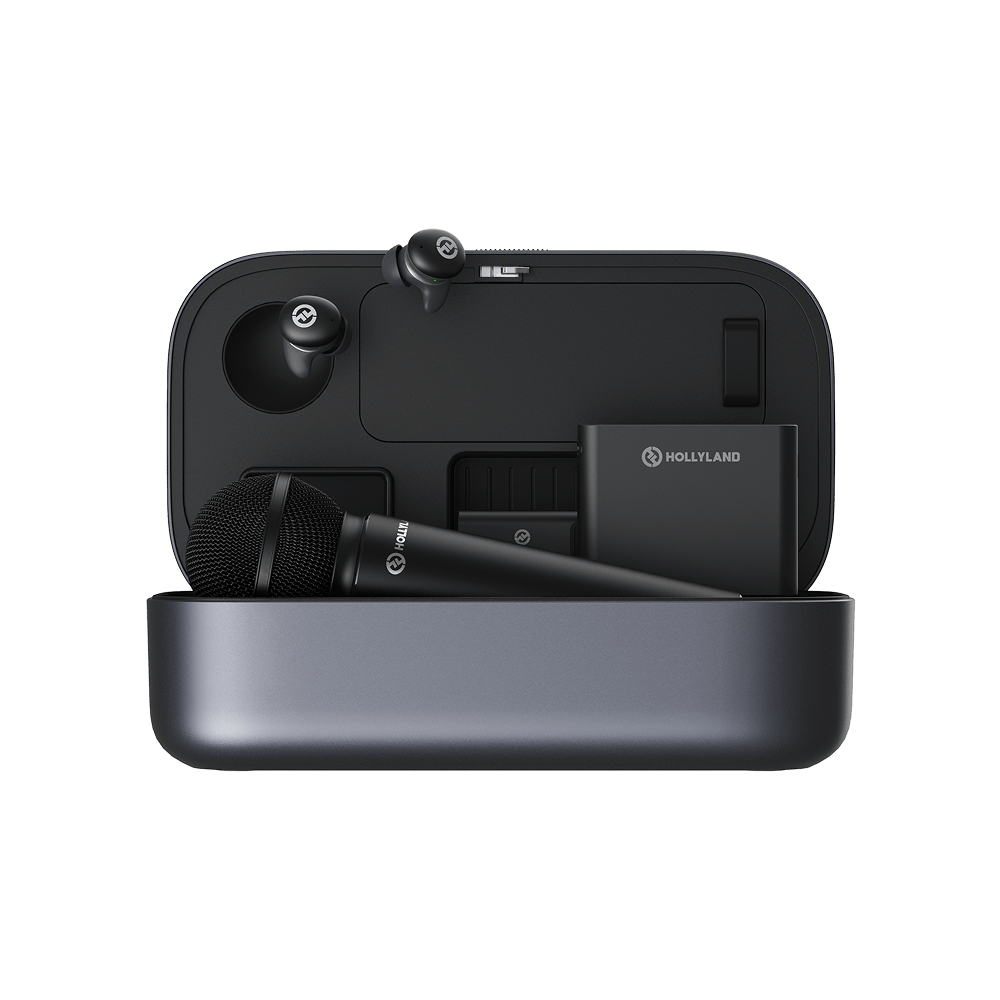
MELO P1
All-in-one wireless studio for vocalists, streamers & live performers
- 25mm Large-Diaphragm Condenser
- 25dB AI Noise Cancellation
- Up to 40H Battery

Explore Hollyland's condenser microphone lineup — built for vocalists, streamers, podcasters, and live performers who demand professional sound. Featuring large-diaphragm capsules, AI noise cancellation, and fully wireless all-in-one systems, these are the condenser mics made for your voice and your workflow.
No audio interface required · Works with phone, laptop & camera
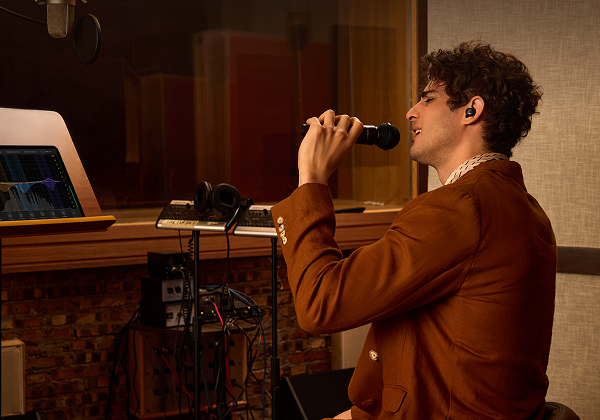
All-in-one wireless studio for vocalists, streamers & live performers
The space where you record is the single biggest variable in any condenser microphone decision.
Treated studio rooms and quiet home setups bring out the best in condenser capsules. Wide frequency response, fine detail, and natural tonal character all become audible advantages when there's no competing background noise to contend with.
Untreated rooms, open-plan spaces, and streaming desks introduce ambient noise and acoustic reflections. In these environments, prioritize:
Live performance and on-location use add handling noise, crowd bleed, and unpredictable acoustics to the equation. For these scenarios, portability, reliable wireless performance, and robust noise handling matter as much as raw audio quality.
This decision has more practical consequences than most buyers initially expect — and getting it right upfront saves significant time and cost later.
Traditional XLR condenser microphones deliver excellent audio quality but require an audio interface or mixing desk to operate. If you already own an interface and are building a fixed recording space, this is a well-established and versatile route.
USB condenser microphones plug directly into a computer or smartphone — no interface required. A natural fit for podcasters, video creators, and home recordists who want a minimal setup without additional hardware investment.
Fully wireless condenser systems eliminate cables entirely — across the microphone, monitoring, and control chain. When evaluating this format, the key specifications to examine are:
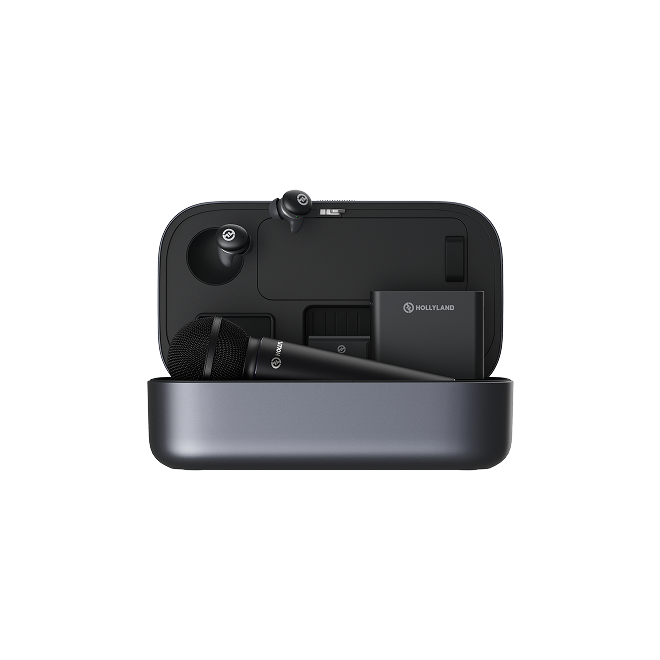
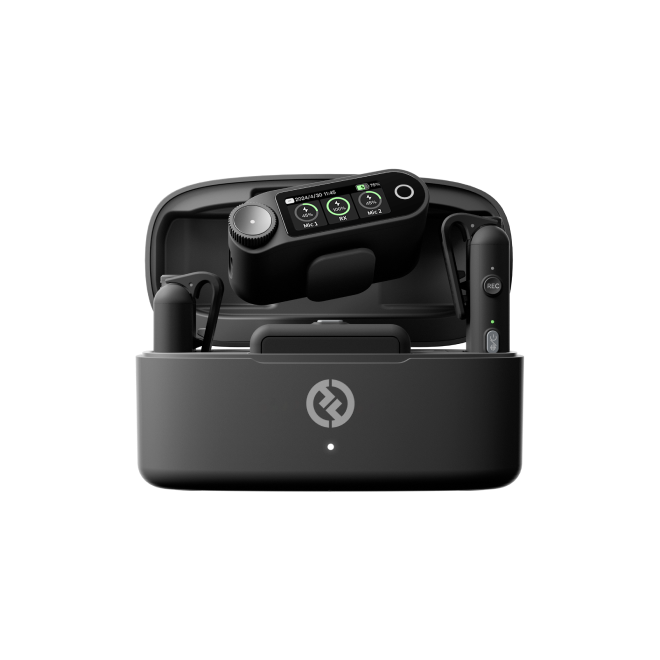
For streamers, live performers, and mobile creators who need a complete, self-contained audio solution, a wireless all-in-one system removes the most common friction points. The MELO P1 is built specifically for this workflow — integrating microphone, mixer, earphone, and remote controller into one portable system with no wired dependencies.
Two specifications that define the performance envelope of any condenser microphone:
Frequency response is the range of sound the capsule can accurately reproduce.
Maximum SPL (Sound Pressure Level) determines how loud a source the microphone can handle before it clips or distorts.
If your performances vary widely in dynamic intensity, a microphone system with a swappable condenser/dynamic capsule design gives you the right tool for each situation without purchasing two separate microphones.
Condenser capsules are inherently more sensitive than dynamic microphones — that's precisely what makes them so effective at capturing natural, detailed vocal sound. But higher sensitivity also means they pick up more of what you don't want.
Understanding how a microphone manages unwanted noise is essential before buying:
If you're recording in a purpose-built acoustic space, noise handling is a secondary consideration. If you're recording anywhere else, it should be near the top of your list.
A condenser microphone captures what's there — but how that signal is shaped determines the final sound your audience hears.
Consider what signal processing tools come with the system:
For experienced producers, onboard processing supplements a full DAW or mixing chain. For newer users, a microphone system with a deep preset library and an intuitive companion app can dramatically shorten the path from raw recording to a polished, broadcast-ready result.
If you plan to use the microphone live or during a streaming session, also check whether presets and effects can be switched in real time — without pausing your performance or interrupting your session.
Two practical considerations that carry significant weight for wireless and mobile setups:
Battery life benchmarks to evaluate:
Device compatibility to confirm before buying:
A high-performing microphone that doesn't integrate cleanly with your existing devices adds friction to every session. Confirm compatibility before committing.
I love my new LARK M2 mics. These were so good, and I really enjoyed testing out the new LARK M2 from Hollyland.
Sarah Grace Tech Creator · 3.2M YouTube subscribers
The Hollyland LARK MAX is the wireless microphone system with the clearest and crispest audio of any wireless mic system I have ever tried.
Goenrock Cinematographer · 107K Instagram subscribers
LARK MAX is doing an excellent job of dropping the sound of the air conditioner, which is something l always have to remove and post with our shotgun mic.
Film Riot Filmmaking Educator · 2.2M YouTube subscribers
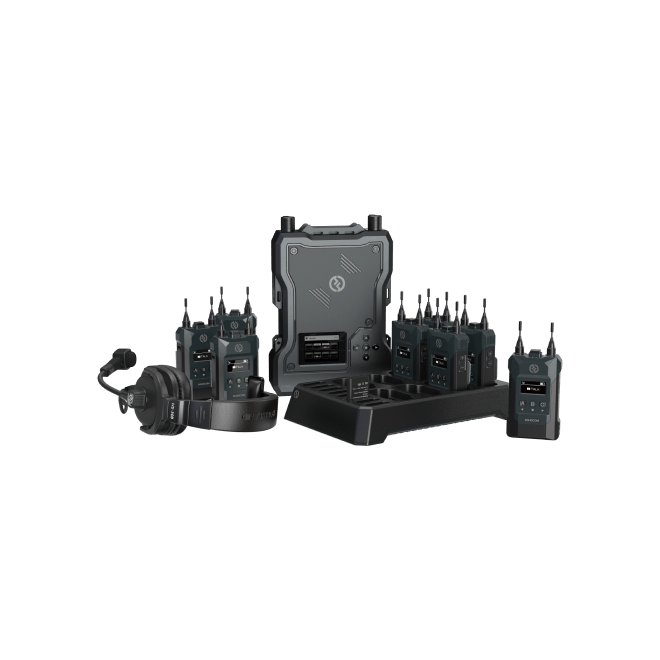
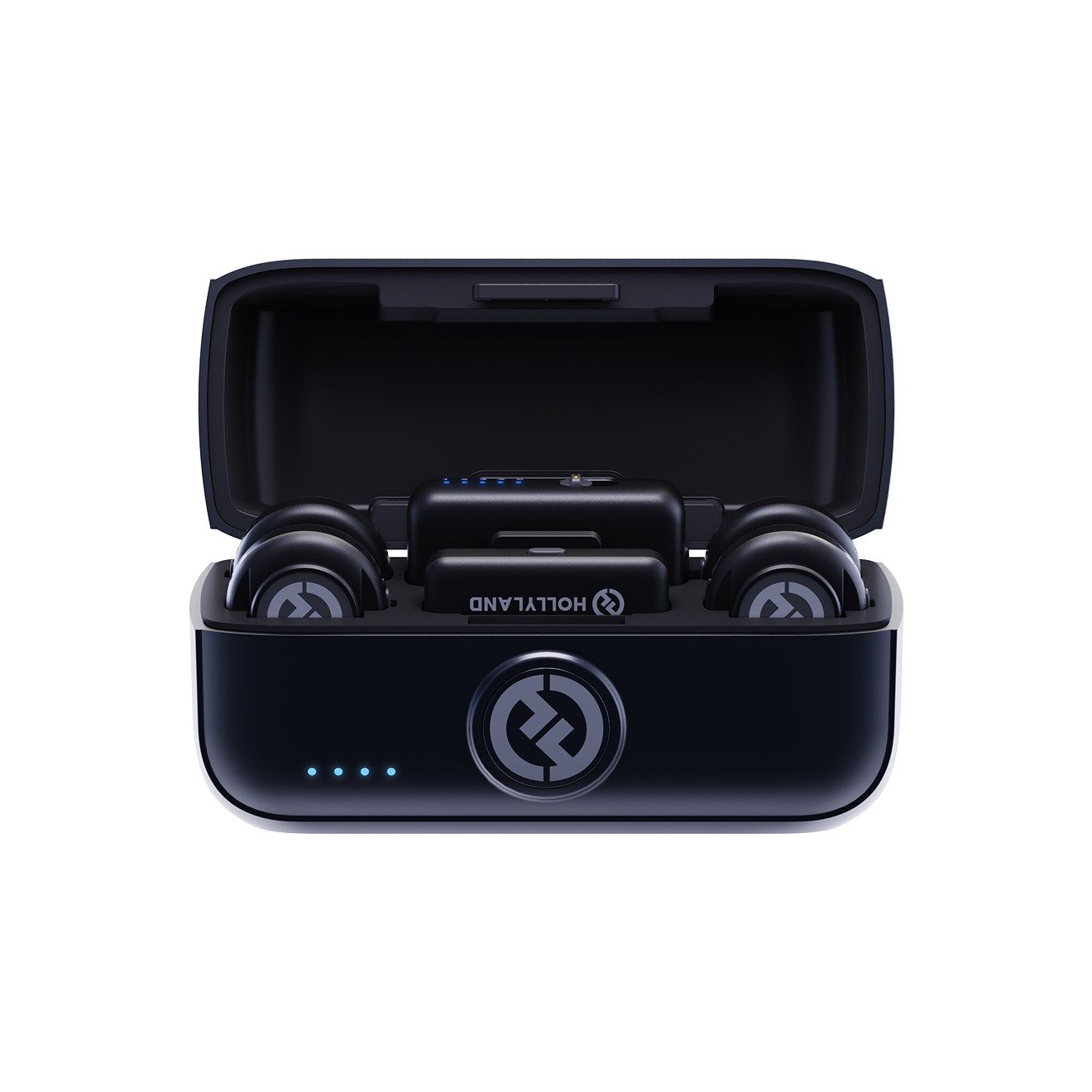
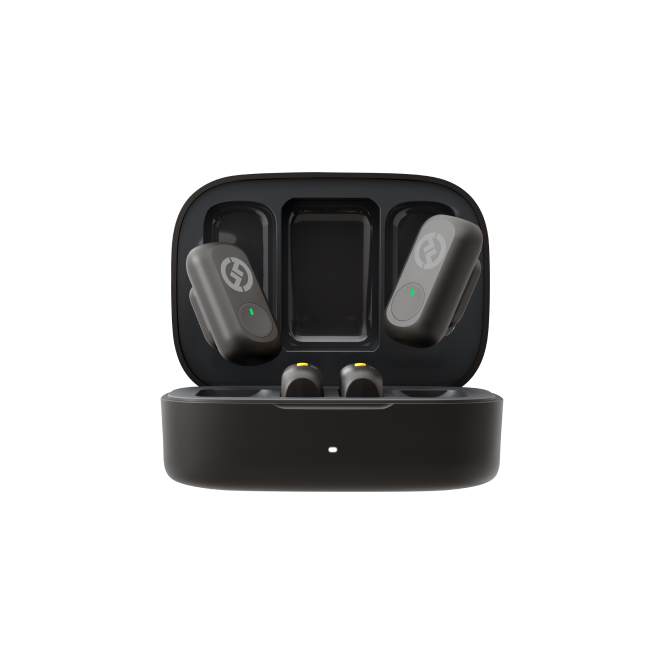
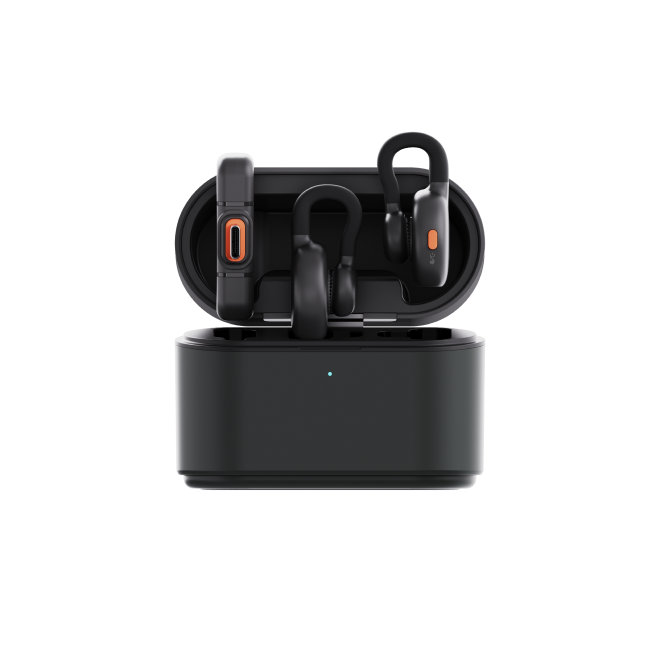
With most condenser microphones, yes — you'd typically need an audio interface to supply phantom power and convert the analog signal for your device. The MELO P1 is built differently. Its 55g Smart Audio Mixer is integrated directly into the wireless receiver, handling DSP mixing, signal processing, and USB-C output in one unit. There's no external interface, no phantom power supply, and no cable routing to figure out. Mic, mixer, monitoring earphone, and charging case — that's the complete system.
Condenser capsules are more sensitive than dynamic mics by design — that's what gives them their natural vocal detail and wide frequency response. But in untreated spaces, that sensitivity can work against you. The MELO P1 addresses this with two layers of noise control: a cardioid polar pattern that rejects off-axis sound by design, and hardware-level AI noise cancellation with 25dB of depth — processed in real time, not in post. Whether you're recording at home, streaming from a café, or performing on a live stage, the MELO P1 keeps your vocal signal clean and focused.
Condenser microphones have traditionally been associated with controlled studio environments, but the MELO P1 is purpose-built for live use. The fully wireless 2.4GHz system delivers a 60m (196ft) line-of-sight range — complete stage freedom with no cable tether. A Bluetooth remote at 70m range lets you switch presets and trigger effects in real time without approaching the mixer. Add a zero-latency wireless monitoring earphone and you have a complete, all-wireless stage system that traditional studio condensers can't come close to matching.
The MELO P1 Smart Audio Mixer connects via USB-C, making it compatible with smartphones, laptops, tablets, and most streaming devices without additional drivers or adapters. Whether you're recording into a DAW on Mac or PC, going live on YouTube, Twitch, or TikTok from a phone, or capturing audio via a camera with USB input, the system works with the gear you already have. The HollyAudio App (iOS and Android) unlocks the full 100+ preset library and advanced mixing controls for users who want to go deeper.
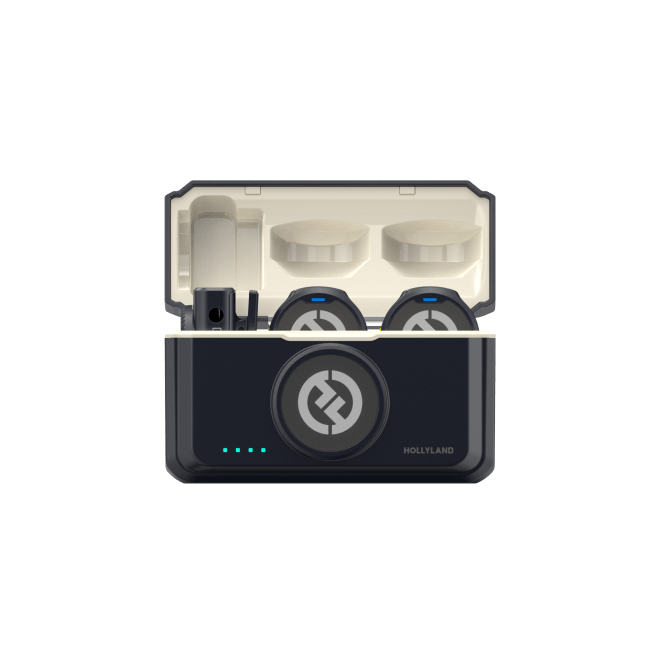
Each component carries its own charge: the microphone lasts approximately 12 hours, the Smart Audio Mixer approximately 8 hours, and the wireless monitoring earphone approximately 9 hours. The 5,000mAh charging case extends total system battery life to up to 40 hours — enough for full-day events, back-to-back recording sessions, or a full week of daily use between charges. Every component stores and charges inside the same case, so the entire system is always ready when you are.
Yes. In condenser mode, the MELO P1 supports up to 132dB SPL — comfortably covering the full dynamic range of most singers, including belting, chest-voice peaks, and high-intensity live delivery. For performers who push harder — beatboxers, vocalists in high-energy live settings, or anyone who needs more headroom — the swappable dynamic capsule raises the ceiling to 145dB SPL, well above the 130–135dB typical of standard handheld microphones. Either way, clipping and distortion are not a concern.
Condenser capsules (20Hz–20kHz, 132dB max SPL) are more sensitive and capture a wider frequency range, making them the better choice for singing, podcasting, voiceover, and streaming where natural tonal detail and clarity matter most. Dynamic capsules (50Hz–17kHz, 145dB max SPL) handle extreme sound pressure levels without distortion, making them better suited for high-energy live performances, beatboxing, and loud stage environments. The MELO P1 supports both — the capsule is swappable, giving you two distinct performance profiles in a single microphone body. If your primary use is vocal recording or content creation, start with the condenser capsule.
No. The HollyAudio App includes 100+ professionally tuned presets covering a wide range of genres and use cases — from studio vocals and podcasting to live performance and streaming — so you can achieve a polished, genre-appropriate sound without touching an EQ curve. The 32-bit float recording format acts as an additional safety net, eliminating gain-staging errors and protecting your recordings even if levels aren't set perfectly. For users who want full control, the complete suite of EQ, compression, de-esser, and reverb is available directly in the app.