
.png)
 简体中文

Karaoke is not a singing competition. It is a social performance, and those are very different things. Whether you are stepping up to the mic for the first time or trying to stop being the person who stares at their shoes while holding the microphone, the good news is that sounding decent at karaoke comes down to a small set of learnable habits. This guide covers all of them, in the order that matters.

Why Most People Struggle at Karaoke (And What Actually Fixes It)
Most karaoke disasters share the same origin story. Someone picks a song they love but cannot actually sing, grabs the mic like it is a walkie-talkie, and then freezes the moment the first lyric appears on screen. The crowd senses the discomfort, the singer senses the crowd, and the whole thing spirals.

The fix is not vocal talent. It is preparation. Three failure points cause nearly every bad karaoke experience: choosing the wrong song, mishandling the microphone, and letting nerves take over before the first note lands.
This guide addresses each one in sequence. Work through these steps and the gap between “dreading your turn” and “actually having a good time” closes faster than you expect.
Step 1 — Choose the Right Song for Your Voice
Song selection is the single most important decision you make at karaoke. Everything else- mic technique, breath control, stage presence- works in service of a song that fits your voice. Pick the wrong song and no amount of confidence will save you.

Match the Song to Your Vocal Range, Not Your Favorite Artist’s
Most popular recording artists sing at the extremes of their range. That is part of what makes their recordings compelling. It is also what makes their songs dangerous choices for casual karaoke singers.
Your target is a song that sits comfortably between your natural speaking tone and the notes you can hit without visible effort. If you find yourself straining during the chorus in the shower, the song is too high. If the verse sits so low you can barely push sound out, it is too low.
Here is the important part: almost every modern karaoke system, whether at a venue or on an app, includes a key adjustment feature. Shifting a song two or three semitones down can transform a technically brutal choice into a manageable one. Use this feature without embarrassment. Professional musicians transpose songs to suit their voices routinely.
The Safest Karaoke Songs for Beginners (What to Look For)
Rather than locking into a specific song list that ages quickly, look for songs with these characteristics:
- Limited range: The song stays within roughly an octave, so you are not leaping between registers mid-chorus.
- Steady tempo: Songs with unpredictable rhythm or spoken-word timing make it easy to lose your place on the lyric screen.
- Recognizable melody: If the audience knows the tune, they sing along, which covers minor pitch issues and lifts the energy in the room.
- Strong, singable chorus: Audience participation peaks during a chorus. A song with a powerful, familiar hook practically carries itself.
Genre examples that tend to meet these criteria: classic rock anthems, late-90s pop, older country hits, and Motown-era soul. The melody structures in these songs are built for singability, not vocal acrobatics.
Songs That Sound Easy But Will Expose You
Some songs feel approachable until you are actually singing them in front of people. Watch out for these patterns:
- Melismatic runs: Songs by artists known for ornamental vocal runs (think Mariah Carey or Whitney Houston) depend on hitting rapid sequences of notes cleanly. The original recordings make this sound effortless. It is not.
- Deceptively fast verses: Rap-influenced tracks often have verses with extremely fast syllable delivery. Losing your place once means missing ten words, not one.
- Register mismatch between verse and chorus: Some songs require a completely different part of your voice for the verse versus the chorus. Without specific training, this transition breaks down live.
The rule is simple: if you cannot sing it alone at home with some consistency, a live karaoke setting is not the place to attempt it.
Step 2 — Master Basic Microphone Technique
Microphone technique is the most overlooked skill in karaoke. Most venue microphones are perfectly capable of making you sound good. Most people use them in ways that guarantee the opposite.

How to Hold a Karaoke Microphone Correctly
The correct technique looks like this:
- Grip the body of the mic, not the head (the round mesh part at the top). Cupping the head causes feedback and produces a boomy, distorted bass sound.
- Hold it at roughly a 45-degree angle, 2 to 4 inches from your mouth. Perpendicular and pressed against your lips creates plosive distortion on consonants like P and B.
- Point it away from the monitor speakers. Aiming the mic directly at a speaker causes the feedback squeal everyone hates. Be aware of where the speakers are in the room.
- Do not let your grip go loose. A relaxed, drooping mic hand gradually points the microphone at the floor and your volume drops with it.
This grip feels slightly formal at first. It quickly becomes automatic.
Control Your Volume Through Distance, Not Your Voice
Here is the technique that separates singers who sound polished from those who sound amateur, regardless of actual vocal ability:
Adjust your distance from the mic to manage your volume instead of pushing harder or going softer with your voice.
- On powerful, loud notes: pull the mic back an inch or two. This prevents the system from distorting.
- On quiet or soft phrases: bring the mic slightly closer. This keeps your voice audible without forcing it.
This small physical adjustment does what pushing or restraining your voice cannot: it keeps your tone consistent throughout the song. Practice this at home, even just speaking into a phone, and it becomes instinctive.
Quick Do / Don’t Reference:
| Do | Don’t |
| Grip the body of the mic | Cup the mesh head |
| Hold 2–4 inches from mouth | Press it against your lips |
| Adjust distance dynamically | Shout louder on big notes |
| Point away from speakers | Angle toward the monitor |
Step 3 — Warm Up Your Voice Before You Sing
A cold voice cracks, goes flat on held notes, and fatigues faster than a warmed-up one. You do not need a full vocal training session before karaoke night. Five to ten minutes of simple preparation makes a real difference.

Do these in order before you sing:
- Hydrate with room-temperature water. Cold drinks tighten the vocal cords. Dairy coats the throat and causes excess mucus. Water is the right choice.
- Hum gently through your range. Start low and slide upward without forcing. This gets blood flowing to the vocal cords without straining them.
- Lip trills. Blow air through loosely closed lips while phonating (making a pitch). Start low, slide to the top of your comfortable range, and back down. This is one of the most efficient warm-up exercises that exists.
- Gentle scale slides. Sing a simple “ah” or “oh” vowel up and down a five-note scale at a comfortable pace. You are not rehearsing; you are waking up the mechanism.
- Run your song once, quietly. Speak or lightly sing through the song mentally or out loud. Identify the notes that feel risky and decide in advance how you will handle them.
None of this requires privacy. You can do the first three in a bathroom before you head to the venue.
Step 4 — Read the Lyrics Screen, Not Your Memory
One of the most common first-timer mistakes is trying to perform from memory and then losing the cue when one lyric goes missing. The lyrics screen exists specifically so this does not happen. Use it.
The way most karaoke systems work, the next word to sing is highlighted in a different color, slightly ahead of the current beat. Your job is to track that highlight, not wait for it.
- Stay a half-beat ahead visually. Read the next word or phrase before you need to sing it so you are anticipating the phrase, not chasing it.
- Avoid using your phone for lyrics. Your phone forces you to look away from the screen and splits your attention at the exact moment you need it on the monitor.
- If the lyrics scroll faster than expected, do not freeze. Keep moving with the music and pick the line back up when you find it. Missing one line is recoverable. Stopping entirely is not.
- Know your entry point. Songs often have long instrumental intros before the first lyric. Watch the screen during the intro so you know exactly when your first word hits.
Step 5 — Manage Stage Fright and Perform with Confidence
Stage fright is the biggest barrier for most karaoke singers. Understanding why it happens and what the audience actually wants from you changes the entire experience.

Reframe What the Audience Actually Wants from You
The people watching you at a karaoke bar or in a private room are not critics. They are participants in the same social activity. They have been nervous in the same seat you are in. Their default posture is to want you to succeed.
More practically: a confident, enthusiastic singer who misses half the notes receives more applause than a technically accurate singer who looks like they want to disappear. Karaoke applause rewards commitment, not precision. The crowd responds to energy because energy is contagious. Technical perfection is not.
This is not a polite fiction. Watch any karaoke crowd closely and this plays out every time.
Commit Fully — Confidence Outperforms Pitch in Karaoke
The principle here is straightforward: decide before the song starts that you are performing it, not surviving it.
Hesitation and ironic detachment are visible to the audience. They read as discomfort, and discomfort is awkward to watch. Earnest, full-commitment singing, even with rough edges, is entertaining and easy to root for.
Practical version of this: choose the song, pick up the mic, and make one internal decision before the intro ends. You are not trying it out. You are doing it.
- If the song is fun, let it be fun.
- If it is emotional, let it be emotional.
- Do not qualify your performance with a joke before you start. Just start.
Simple Stage Moves That Elevate Any Performance
You do not need performance training to look like you belong on a stage. You need three specific physical habits:
- Stand upright with your weight balanced. Good posture improves breath support and makes you look composed. Both are useful.
- Make brief eye contact with two or three people in the room. You do not need to hold eye contact uncomfortably; a brief connection with a few faces at different points in the song is enough to make the performance feel directed rather than aimless.
- Use your free hand with intention. Let it gesture naturally on a phrase, hold it steady at your side, or use it to conduct the crowd during the chorus. What you want to avoid is a limp arm hanging awkwardly, which draws the eye for the wrong reasons.
These three things require no rehearsal. They just require awareness before you walk up.
Karaoke Etiquette: The Unwritten Rules You Should Know
Most karaoke friction comes from a few consistent social mistakes. Following these norms keeps the night enjoyable for everyone, including you:
- Sign up and wait your turn. Do not approach the host or DJ repeatedly to check on your queue position.
- Do not monopolize the mic on a busy night. If the venue is packed, stick to one or two songs per round so everyone gets a turn.
- Choose song length with the room in mind. A ten-minute epic is a generous choice in a private room. At a busy bar with fifty people waiting, it is not.
- Stay present when others are singing. Side conversations during someone else’s performance are audible and distracting. Watch, clap, and sing along when they hit the chorus.
- Duet courtesy matters. If you invite someone to duet, they get equal stage time and an equal share of the microphone. Duets where one person takes over are uncomfortable for everyone.
- Leave the stage promptly. When your song ends, hand back the mic and move. The next singer is ready to go.
- Cheer for every performer. Even if the performance was rough, clap at the end. This is the social contract of karaoke, and it costs nothing.
How to Practice Karaoke at Home and Actually Improve
Visiting a karaoke bar occasionally will keep your skill level roughly where it is. Practicing at home between outings will actually move it forward.

The tools available for home practice are more accessible than most people realize:
- Karaoke apps: Smule, KaraFun, and StarMaker all offer large song libraries and let you record your performances. Some include pitch feedback, which turns a practice session into a diagnostic tool.
- YouTube instrumental tracks: Search for any song title plus “karaoke version” or “instrumental.” The selection is enormous and free.
- Record yourself. This is the most uncomfortable suggestion and the most useful one. Listening back to your own recordings reveals pitch drift, timing issues, and mic handling problems that you simply cannot perceive while you are singing. Review with the goal of finding two specific things to fix, not with the goal of judging yourself overall.
- Practice mic technique separately. Hold a hairbrush or a water bottle and run through the distance-control technique described above. Building the physical habit at home costs nothing and pays off immediately at a venue.

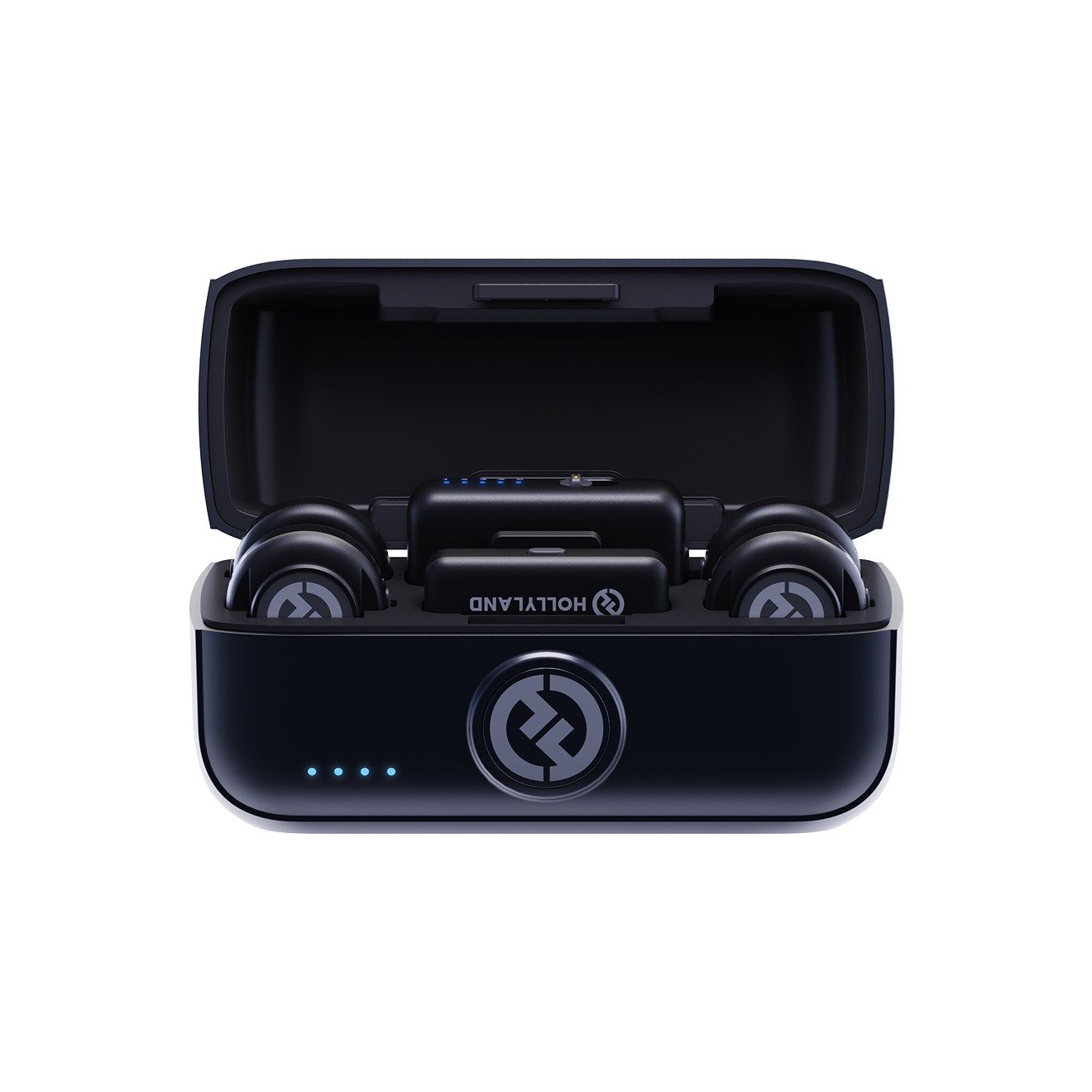
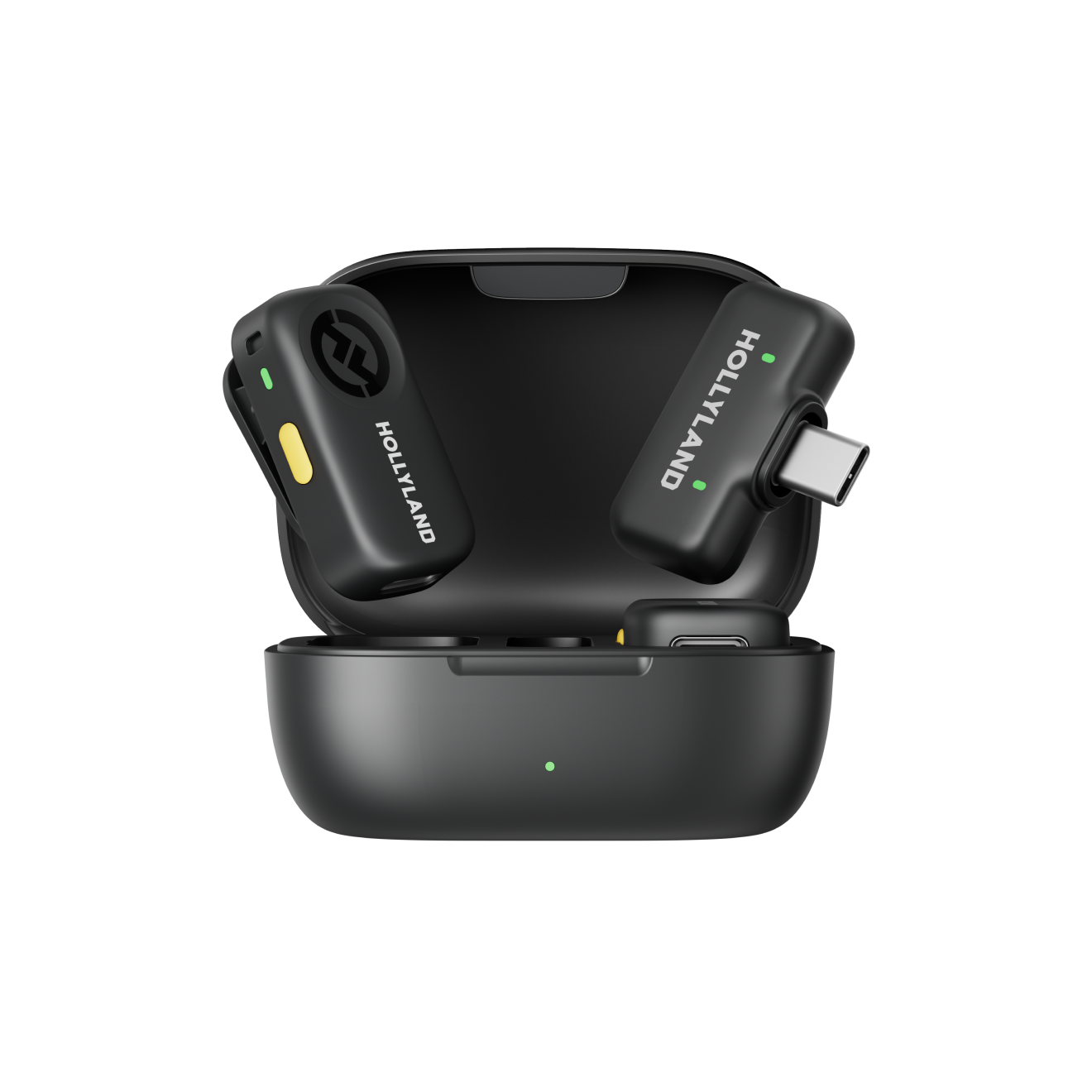
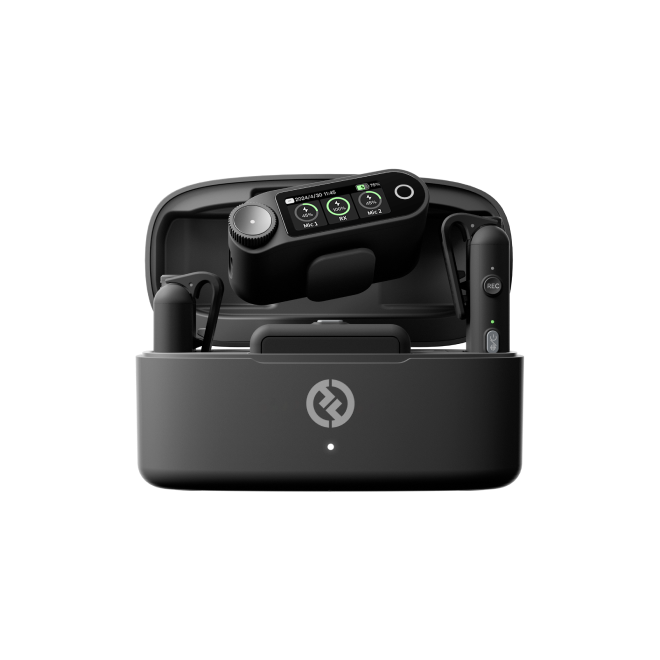
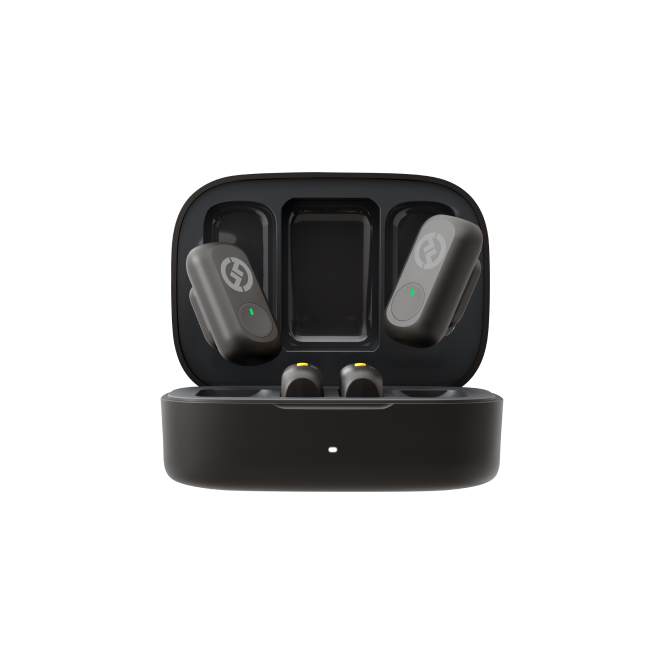
For singers who record their practice sessions or stream their karaoke performances live, audio capture quality determines how useful the playback review actually is. The Hollyland MELO P1, a portable all-in-one kit with a 1-inch large-diaphragm condenser mic, dual-DSP smart mixer, and monitoring earbuds, captures vocal nuance accurately enough that you can hear exactly where pitch or dynamics break down — which a phone mic simply will not reveal. It also suits live karaoke streaming setups where presentation quality matters to your audience.
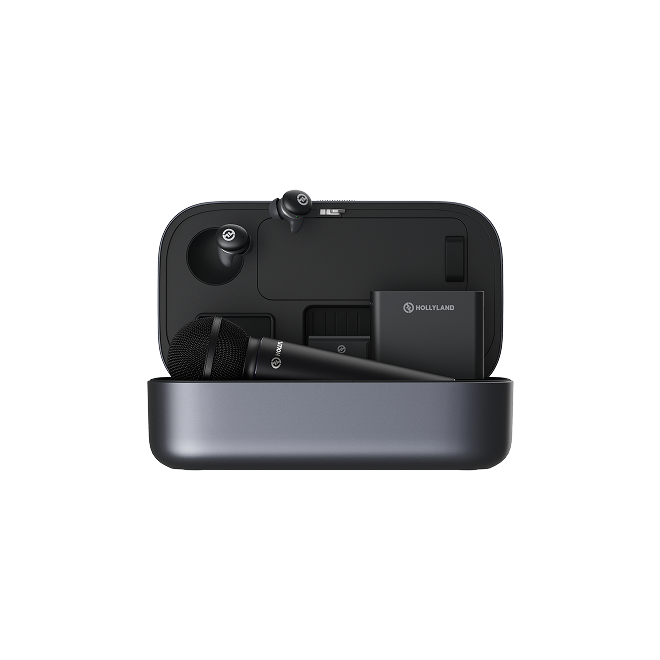
Hollyland MELO P1 - All-in-One Wireless Audio Studio
A revolutionary all-in-one wireless studio system combining handheld vocal capture, smart DSP mixing, and zero-latency monitoring in a single portable case.
Key Features: All-in-One Wireless Studio | 32-Bit Float Recording | 40 Hours Total Battery
FAQ: Frequently Asked Questions About Singing Karaoke
Do I need to be a good singer to enjoy karaoke?
No. Karaoke rewards confidence and engagement over technical ability. Most audiences cheer louder for enthusiastic performers than for technically precise but stiff ones. The point of karaoke is participation, not perfection. If you commit to the song and engage with the room, the crowd is on your side.
How do I find songs that match my vocal range?
Start with songs you can sing along to comfortably in the car or shower without straining. Most karaoke systems and apps let you adjust the key. Even shifting a song down two or three semitones can bring a difficult song into your comfortable range. When in doubt, choose the simpler song.
What should I do if I forget the words mid-song?
Keep moving. Hum through the gap, improvise a filler syllable, smile, and get back to the screen. Stopping or visibly panicking disrupts the performance far more than a missed lyric does. The crowd almost always fills in the words anyway, especially during a familiar chorus.
Is it rude to choose a very long song at karaoke?
At a busy venue with a long queue, yes. Songs like “American Pie” or “Bohemian Rhapsody” run well over five minutes and tie up the mic for everyone waiting. Save extended songs for private karaoke rooms or slow weeknight sessions where the queue is short.
Can I practice karaoke at home without a karaoke machine?
Yes. Karaoke apps, YouTube instrumental tracks, and a basic microphone are all you need. Recording and reviewing your own performances is one of the fastest ways to improve because it shows you specifically what to fix rather than leaving you guessing.
Pick One Song. Own It This Week.
Song selection, microphone technique, and committed performance cover roughly 90% of what determines a good karaoke experience. The remaining 10% is practice, and that part is optional for most people — though it does help. You do not need to become a skilled vocalist. You need to choose a song that fits your voice, hold the mic correctly, and decide to perform rather than endure.
The most practical thing you can do before your next karaoke outing is pick one comfortable song this week and run through it at home a few times. Know the phrasing, know when the chorus hits, and know where the tricky note is so it does not surprise you.