.png)
 简体中文
简体中文 
You are likely here because you hit “Record” in Audacity expecting to capture a YouTube video, a Zoom call, or game audio, but all you got was the sound of your room and your clicking mouse.
Learning how to record computer audio with Audacity requires changing one specific setting. By default, Audacity listens to your microphone (the physical world). To record what is playing on your computer, you need to tell it to listen to your system’s internal output (the digital world).
Whether you are on Windows or macOS, this guide will show you exactly how to bridge that gap so you can capture clean, digital audio directly from your source.
The Basics: Why Audacity Doesn’t Record System Sound by Default
This isn’t a bug; it is a safety feature. Operating systems intentionally keep your Input (Microphone) and Output (Speakers) separate.
If these two channels were connected automatically, your microphone would pick up the sound from your speakers, feed it back into the computer, and broadcast it out again. This creates a feedback loop—that painful, high-pitched screeching noise that can damage your ears and hardware.
What is “Loopback”?
To capture internal audio safely, you use a method called Loopback.
Think of Loopback as a digital bridge. It tells Audacity to ignore your physical microphone and instead “listen” directly to the data going to your speakers. Because this transfer happens internally, the recording is purely digital. You get the exact audio file playing on your computer with zero room noise or background static.
Method 1: The Best Way for Windows (Windows WASAPI Loopback)
If you are on Windows 10 or 11, you have it easy. You should use Windows WASAPI Loopback.
Unlike older methods (like “Stereo Mix”) that convert digital signals to analog and back again—losing quality in the process—WASAPI captures the audio stream digitally. It is lossless and identical to the source.
How to Configure WASAPI Loopback
Follow these steps to capture your system sound:
- Open Audacity (ensure you have the latest version).
- Locate the Audio Setup toolbar (usually the dropdown menus at the top-left).
- Change the Audio Host from MME or Windows DirectSound to Windows WASAPI.

- Change the Recording Device to your current speaker output, specifically the one with (loopback) at the end.
- Example: If you use headphones, select Headphones (Realtek Audio) (loopback).

- Press the Record button.
- Play your audio (YouTube, game, or Spotify). You should see the waveform appear immediately.

Important Note: WASAPI is strictly digital. If no sound is playing on your computer, Audacity will simply “wait.” The recording cursor often won’t move until it detects an active audio stream.
Pro Tip: Match Your Sample Rates
To avoid “audio drift” (where the audio slowly goes out of sync with video), match your Audacity settings to your Windows settings.
- Check Windows: Go to System > Sound > Properties (for your output device). Look for the “Format” (usually 48000Hz or 44100Hz).
- Match Audacity: In Audacity, check the Project Rate (Hz) in the bottom-left corner. Set it to the same number.
Method 2: The Workaround for Mac Users (BlackHole)
macOS is stricter than Windows. It does not allow apps to record system audio natively, so there is no simple “Loopback” button.
To fix this, you need a virtual audio driver. This acts like a fake cable that routes sound from your apps into Audacity. We recommend BlackHole (it’s open-source and modern) over the older, unstable Soundflower.
Step-by-Step Setup with BlackHole
- Install the Driver: Download the driver from https://existential.audio/blackhole/ and install BlackHole (2ch). You may need to restart your Mac after installation.

- Change Mac Output: Open System Settings > Sound > Output. Select BlackHole 2ch from the list.
- Note: Your physical speakers will go silent. This is normal; the audio is now flowing into the virtual driver, not your ears.

- Configure Audacity: Open Audacity. Set the Recording Device (Microphone icon) to BlackHole 2ch.

- Record: Press Record in Audacity and play your media. You will see the waveforms moving.

The “Silent Recording” Problem (And How to Fix It)
Because you switched your output to BlackHole in Step 2, you can’t hear what you are recording. This makes editing or reacting to videos impossible.
To hear the audio while recording it, you must create a Multi-Output Device:
- Open the Audio MIDI Setup app (found in Applications > Utilities).
- Click the + icon (bottom left) and select Create Multi-Output Device.

- In the right panel, check the boxes for both:
- BlackHole 2ch (Check “Drift Correction” here).
- MacBook Pro Speakers (or your headphones).

- Go back to System Settings > Sound and select this new Multi-Output Device as your output.

Now, the audio splits: one path goes to your speakers so you can hear it, and the other goes to BlackHole so Audacity can record it.
Advanced Workflow: Recording Computer Audio AND Voiceover
If you are making a tutorial, a podcast, or a reaction video, you likely want to record the computer audio and your voice at the same time.
Do not try to do this all in Audacity on one track.
Audacity captures system sound digitally (perfect quality). If you mix that with a voiceover from a cheap USB mic or laptop microphone, the difference in quality is jarring. Worse, if you play the computer audio through speakers, your microphone will pick it up, causing a terrible echo.
To match the quality of your digital system audio, you need a professional, isolated voice track.
The Pro Solution: Hollyland LARK MAX 2
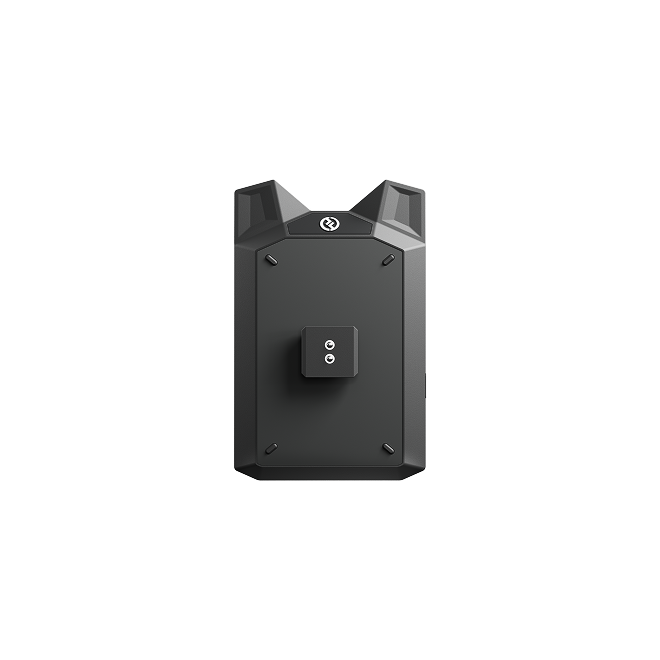
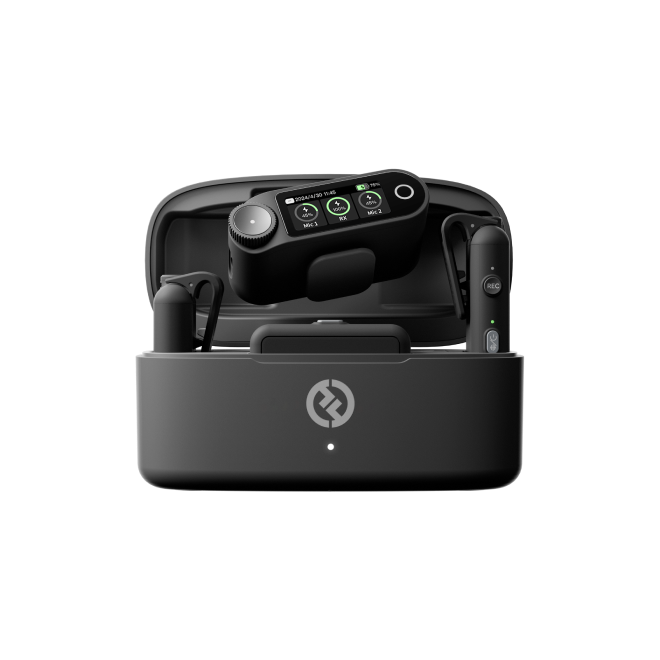
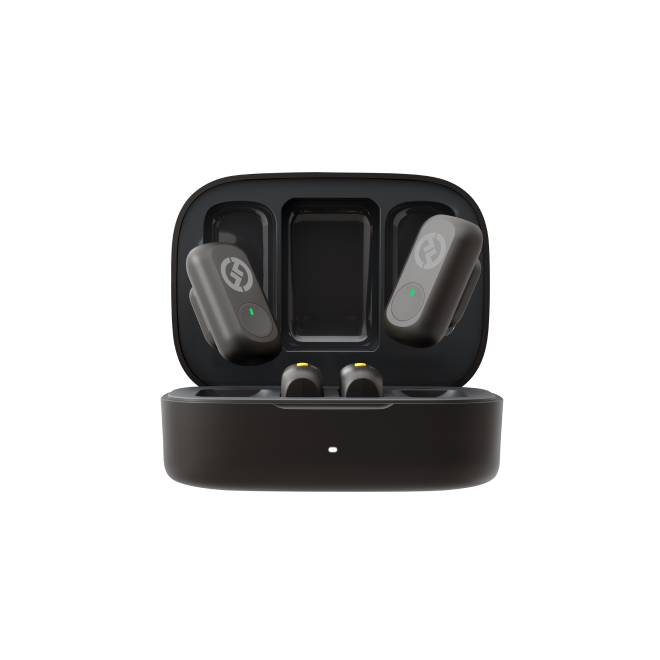
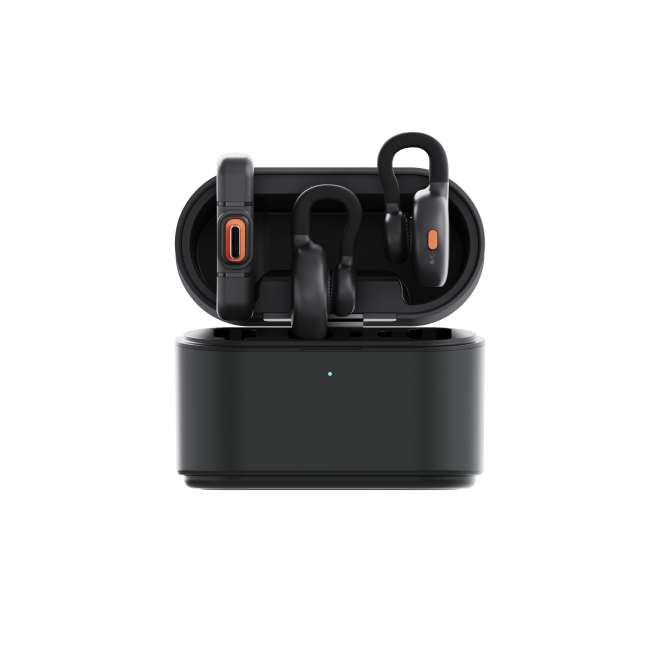
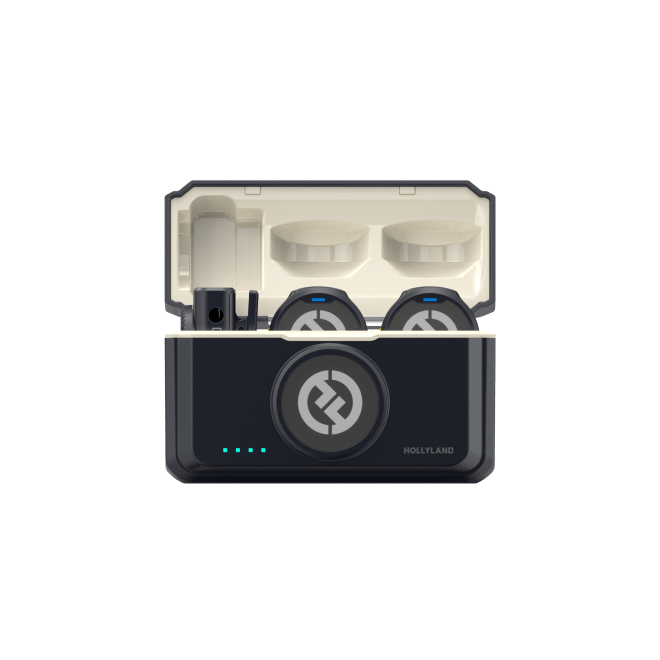
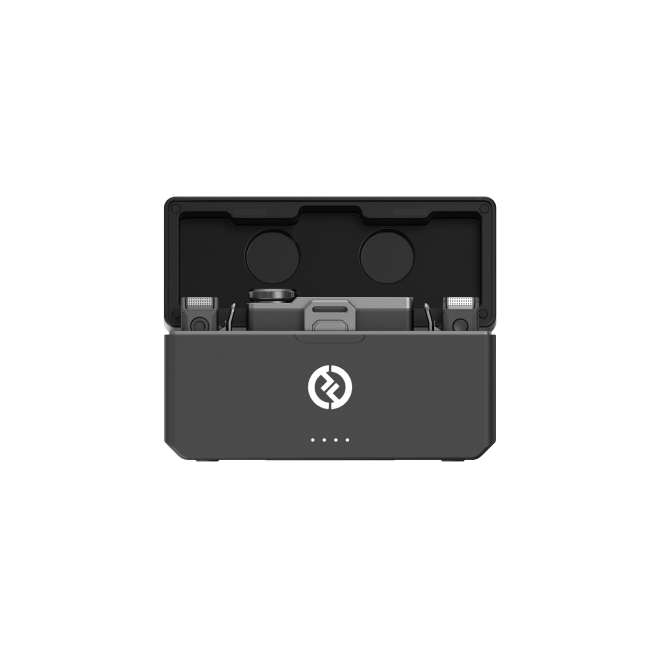
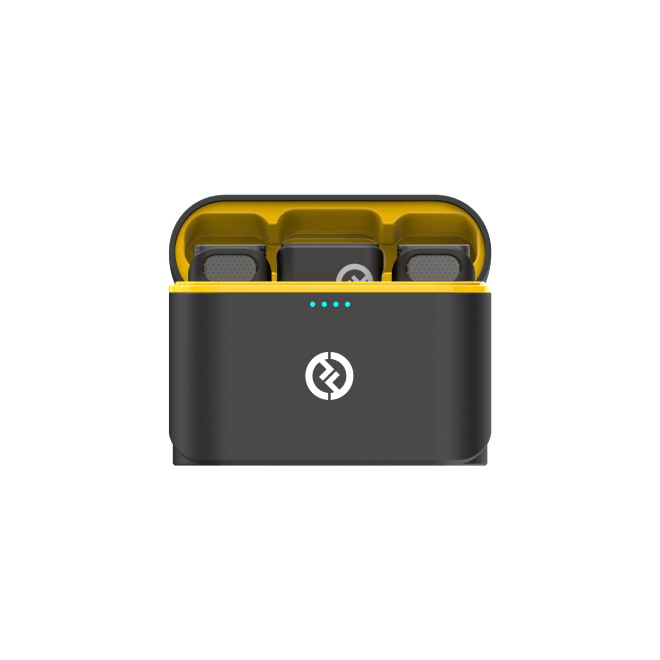
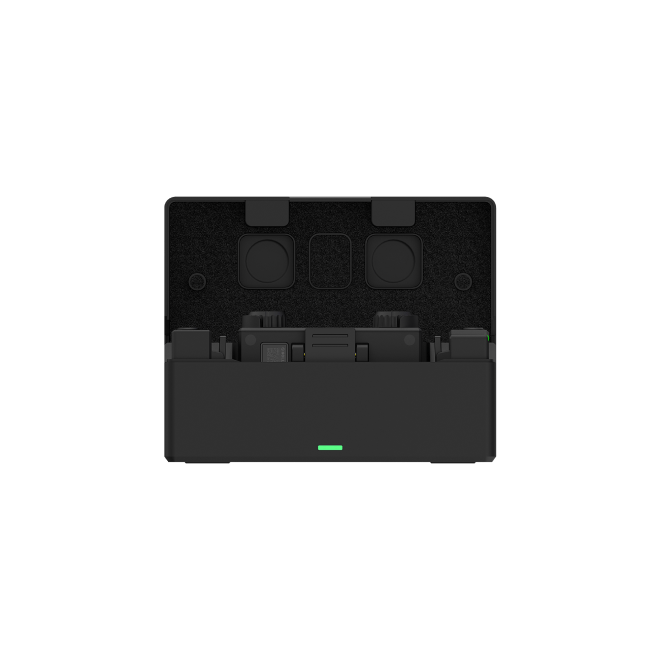
For creators who need to record reactions or tutorials, we recommend the Hollyland LARK MAX 2. It solves the specific headaches of mixed-media recording:
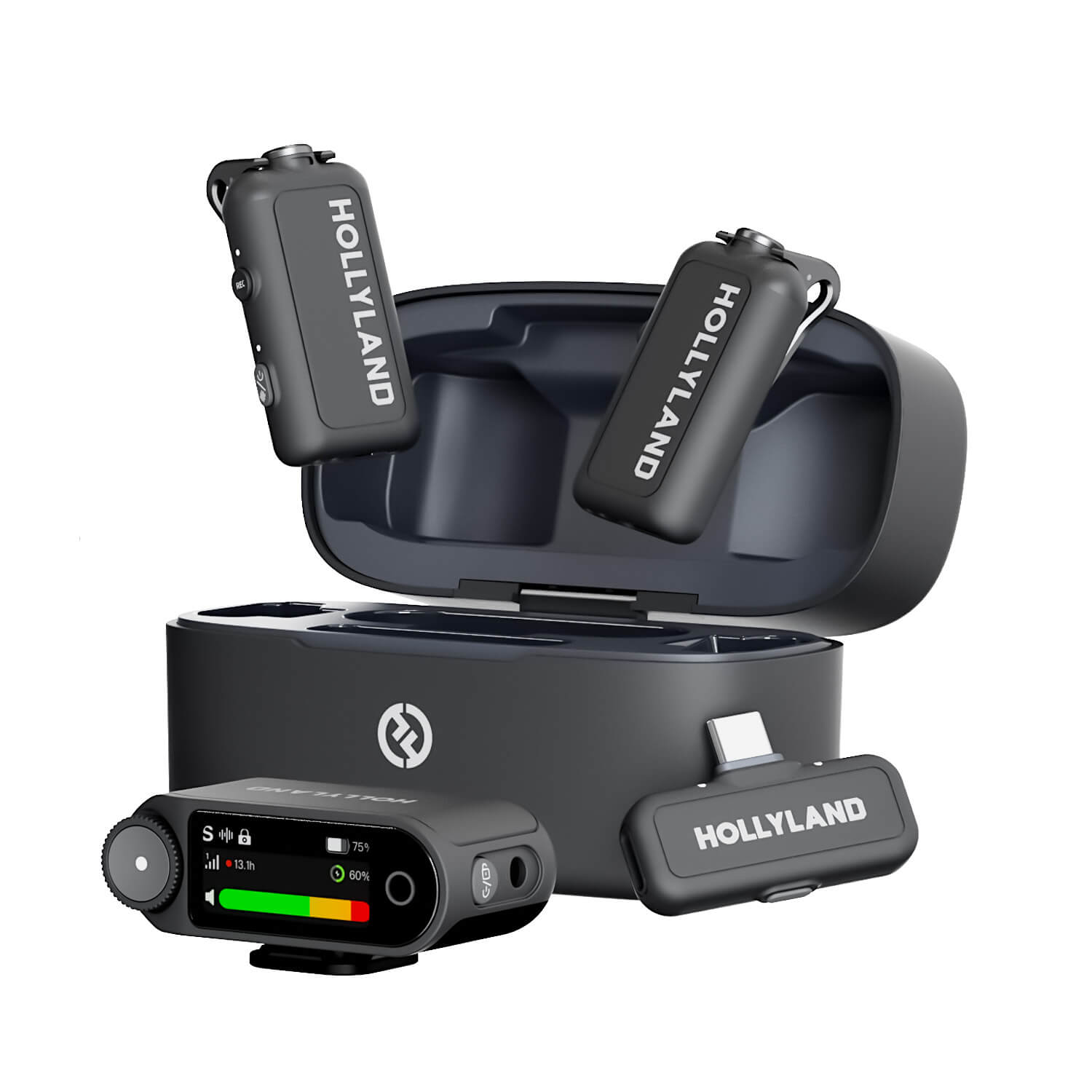

- Zero Audio Bleed (Wireless Monitoring): When recording a reaction, you need to hear the video, but your mic shouldn’t. The LARK MAX 2 includes OWS (Open Wearable Stereo) earphones. This lets you monitor the computer audio wirelessly without it bleeding back into the microphone track.
- Matching Quality: Internal computer audio is usually 48kHz/24-bit. The LARK MAX 2 records at these exact specs, meaning your voiceover will have the same depth and clarity as the system audio.
- Safety Tracks: If you get loud during a game reaction, typical mics distort. The LARK MAX 2 uses 32-bit Float Recording, which captures such a high dynamic range that you can recover distorted audio in post-production.
The Workflow:
Record your system audio in Audacity (using the methods above). Record your voice separately on the LARK MAX 2. Then, drag the voice file into Audacity and align it with the system audio. This gives you two clean, editable tracks.
Troubleshooting Common Audacity Errors
Even with the right settings, drivers can be finicky. Here are the three most common fixes.
1. Flat Line / No Sound Recorded
If the cursor stays stuck at the start or draws a flat line, Windows WASAPI is waiting for a signal.
- The Fix: Start playing your YouTube video or game before you hit Record. WASAPI needs an active stream to latch onto.
2. Robotic Echo or Feedback Loops
If your recording sounds like a tunnel or has a screeching noise, Audacity is trying to play the audio back to you while recording it.
- The Fix: Turn off Software Playthrough.
- Go to Transport > Transport Options and uncheck Software Playthrough.
3. Can’t Find “Stereo Mix”
You might see old tutorials recommending “Stereo Mix.”
- The Fix: Stop looking for it. It is an obsolete analog method. Windows WASAPI (Loopback) is the modern digital replacement. It sounds better and is easier to use.
Frequently Asked Questions (FAQ)
Can Audacity record internal audio and microphone at the same time?
Not natively on a single track. Audacity allows you to select only one “Recording Device” at a time—either your mic or your system audio. To do both, you either need complex routing software (like VoiceMeeter) or, preferably, a dual-recording workflow where you record system sound in Audacity and voice on an external recorder like the LARK MAX 2.
Is WASAPI better than MME?
Yes. WASAPI is the modern Windows standard. It allows for Loopback (digital capture). MME is a legacy driver from the 1990s that converts digital audio to analog, adding latency and noise. Always choose WASAPI for system audio.
Why is my recording silent on Mac?
This is usually a permission issue. macOS treats virtual drivers (like BlackHole) as “Microphones.”
- The Fix: Go to System Settings > Privacy & Security > Microphone. Ensure Audacity is toggled ON.


Conclusion
Recording internal audio doesn’t have to be complicated. By choosing the right input method, you can capture pristine sound directly from your browser or game.
- Windows Users: Use Windows WASAPI (Loopback). It’s built-in, digital, and lossless.
- Mac Users: Install BlackHole. It’s the reliable bridge you need to bypass macOS restrictions.
One Final Check: Before you record a long session, always run a 10-second test. Ensure the waveform is healthy and not “clipping” (hitting the red zone). And if your project involves voice commentary, ensure your vocal track is as clean as your system audio by using dedicated tools like the Hollyland LARK MAX 2. A clear voiceover makes the difference between a messy recording and a professional production.