
.png)
 简体中文
简体中文 
Audio problems in CapCut are frustrating, especially when your edit looks perfect, but the sound is stuttering, out of sync, or completely silent. Before you redo your entire project, work through these fixes. Most CapCut audio glitches come down to a handful of common causes, and the majority resolve in under a few minutes. This guide walks you through every proven solution, starting with the ones that work most often.

1. What’s Actually Causing Your CapCut Audio Glitch?
CapCut audio glitches fall into two different categories. Identifying which type you have tells you which fixes to try.

During-Playback Glitches (inside the app):
- Outdated app version with unpatched audio processing bugs
- Corrupted cache files causing stuttering or lag
- Insufficient device RAM slowing audio rendering in real time
Post-Export Glitches (in the saved video file):
- Frame rate or resolution mismatch between project and export settings
- Incompatible audio file format (WAV, FLAC) causing render errors
- Low device storage triggering incomplete or corrupted exports
During-Playback Glitch vs. Post-Export Glitch: Know the Difference
If the audio sounds wrong while you are editing inside CapCut, the problem is almost always device or app-related. If the playback sounds fine inside the app but the exported file has audio issues, the problem is rooted in your export settings or source file. Knowing this difference saves you from running through irrelevant steps.
2. Fix CapCut Audio Glitch: Step-by-Step Solutions
Work through these fixes in order. They are ranked from most to least frequently successful.
Fix 1: Update CapCut to the Latest Version
Old app versions often cause audio problems in CapCut. Many sync and playback bugs get fixed in newer releases. First, make sure your app is fully updated.
- Open the App Store (iOS) or Google Play (Android), or the Microsoft Store (PC).
- Search for CapCut.
- Tap Update if one is available.
- Reopen your project and test the audio.
If the app is already up to date, you will see a different label, such as “Open” instead of Update. So, move on to the next fix.

Fix 2: Clear CapCut’s App Cache (Mobile)
Corrupted cache is one of the top causes of audio stuttering and sync drift during playback. Clearing it forces CapCut to rebuild its temporary files from scratch. This does not delete your saved projects.
Android:
1. Go to Settings > Apps/App management > App settings/CapCut.


2. Tap Storage/Storage & cache.

3. Tap Clear Cache.

iOS (CapCut does not have a native clear-cache button):
1. Go to Settings > General > iPhone Storage.

2. Find CapCut and tap it.

3. Tap Offload App, then reinstall it from the App Store.

Your projects saved to the cloud remain intact.
After clearing the cache, reopen CapCut and check if the audio glitch is gone.
Fix 3: Re-Import or Replace the Audio File
If a specific audio track is the source of the problem, the file may have become corrupted during the original import or after a failed save. Re-importing forces CapCut to process a fresh copy.
- In your timeline, tap the audio track causing the issue.
- Delete the track.

- Go back to your source audio file and re-add it to the timeline from scratch.
- Re-adjust timing as needed and play it back to confirm the glitch is resolved.
Fix 4: Check Audio File Format Compatibility
CapCut processes MP3 and AAC files reliably on both mobile and desktop. Some WAV and FLAC files, particularly high-bit-rate or non-standard variants, cause processing errors on mobile devices.
Reliable formats: MP3, AAC (M4A)
Potentially problematic formats: WAV (high sample rate), FLAC, OGG, AIFF
If your audio format is causing problems, convert it to MP3 or AAC first. You can use a free online converter before importing into CapCut. The difference in quality is usually very small at normal export settings. This step can also help reduce import errors and playback issues.
Fix 5: Reduce Frame Rate or Resolution in Export Settings
Audio and video sync issues in exports are often caused by rendering limits. On weaker devices, heavy exports like 4K at 60fps can strain processing. This can make sound and video drift out of sync. It is not always a true audio problem in the project.
- In CapCut, tap the Resolution menu (AI UHD) next to the Export button to open the export settings.

- Drop the frame rate to 30fps if it is currently set to 60fps.
- If the issue persists, reduce resolution from 4K to 1080p.
- Export and review the file.

If lower export settings play correctly, the device is overloaded during high-quality exports. This means the hardware cannot fully process demanding rendering tasks.
Fix 6: Free Up Device Storage and Close Background Apps
CapCut requires enough free storage and memory during export. Devices with very low available space can struggle while rendering. When storage drops below 1 GB, issues may appear. These problems can include failed exports and corrupted audio files.
- Delete unused videos, photos, or apps to free up storage space.
- Force-close all background apps before starting an export.
- Avoid using other apps while CapCut is rendering.
- Restart your device before attempting a long or complex export.
Fix 7: Reinstall CapCut (Last Resort)
If clearing the cache does not fix playback issues, deeper file problems may exist. These glitches can come from damaged app data. Reinstalling the app removes all stored files and resets everything.
Before you reinstall:
Back up any draft projects to CapCut’s cloud storage or export them locally.
Reinstall steps:
1. Uninstall CapCut from your device.

2. Restart your device.
3. Reinstall CapCut from the App Store, Google Play, or Microsoft Store.
4. Sign back in to restore your cloud-saved projects.
Fix 8: Use CapCut Desktop / PC Version for Complex Projects
CapCut mobile is reliable for short and simple videos. But longer edits with many effects can strain phone performance. Most mobiles struggle when projects become too heavy. The desktop version handles complex timelines more smoothly. It also uses more system power and RAM for stability. If your mobile fixes are not holding, consider migrating the project to CapCut PC and completing the edit there. Export from the desktop version and you will likely find the audio glitches disappear entirely.
3. Prevent CapCut Audio Glitches Before They Start
A few simple habits stop most audio problems from appearing in the first place.

- Keep CapCut updated automatically so bug patches apply without waiting.
- Start by importing audio in MP3 or AAC format. This helps avoid problems that can appear later. It also keeps the editing process more stable from the beginning.
- Keep projects short and lean. Break long videos into segments rather than building one massive timeline.
- Export to MP4 (H.264) as your default format for the best compatibility across platforms.
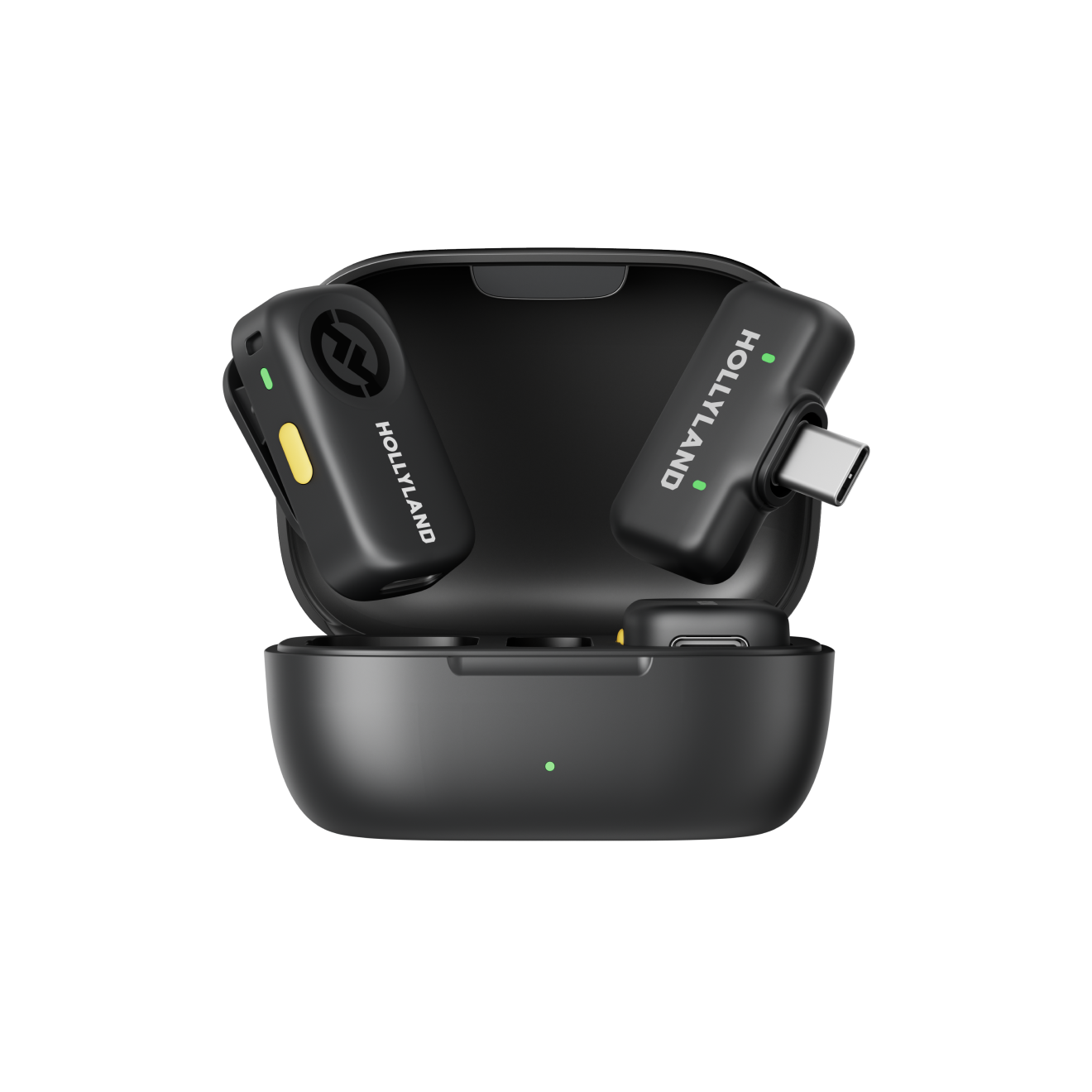
- For creators who record voiceovers or on-camera audio before importing, starting with cleaner source audio matters: a reliable wireless mic like the Hollyland LARK M2 (9g clip-on, 2.4 GHz wireless) delivers a clean recorded signal that is far less likely to introduce file-level artifacts that trigger glitches during CapCut’s processing.
4. FAQs
Q: Why is my CapCut audio out of sync after exporting?
Audio drift problems during export often come from frame rate issues. Some recordings use variable frame rate on mobile devices. This can cause timing differences when exporting the final video. Matching your project frame rate helps reduce these problems. Set CapCut timeline settings to match your main footage. If your video uses variable frame rate, convert it first. Tools like HandBrake can change it to a constant frame rate. Import the fixed file back into CapCut later.
Q: Why is there no sound in my CapCut video after adding music?
First, check that the audio track volume is not set to 0 and that the track is not muted in the timeline. Also confirm the file format is supported (MP3 or AAC are the safest choices). If those check out, delete the track and re-import the audio file.
Q: Does clearing cache in CapCut delete my projects?
No. Clearing cache only removes temporary working files. Your saved drafts, local exports, and anything backed up to CapCut’s cloud storage are not affected. It is safe to clear the cache at any point without losing your creative work.
Q: Why does CapCut audio glitch only on some devices?
Device RAM, available storage, and OS version all affect how CapCut renders audio. Older or low-end phones are more likely to cause playback and export issues. These devices struggle to process video and audio at the same time. This can lead to stuttering and sync problems during rendering. Limited processing speed makes timing errors more common in heavy projects.
Q: Is the CapCut PC version better for avoiding audio glitches?
Generally yes. The desktop version handles multi-track audio and longer timelines more reliably than the mobile app on resource-limited devices. If audio issues keep happening on mobile after all fixes, they may not fully go away. In that case, using CapCut on a computer can help. The desktop version often handles audio tasks more smoothly. It is a better option for long-term editing stability.
Conclusion
Begin with the first fixes in this list for best results. Update CapCut, clear the cache, and re-import your audio file. These three steps solve most audio glitches on their own. Next, check formats, export settings, and device storage space. Try reinstalling the app only if issues still continue. If mobile problems persist on longer edits, use CapCut desktop instead.