

.png)
 简体中文
简体中文 
CapCut has become the go-to mobile editor for Reels creators who want professional results without the learning curve of desktop software. Whether you’re filming lifestyle content, short tutorials, or travel clips, the right project settings and workflow make a meaningful difference in your final output. This guide covers everything from canvas setup to the full editing process, key features, export settings, and how to publish directly to Instagram.
CapCut for Instagram Reels: Step-by-Step Guide to Editing and Posting
Set Up Your CapCut Project for Instagram Reels
Getting your project settings right before you start editing saves significant time and prevents quality issues at export. The single most common beginner mistake is editing in the wrong format and discovering cropped footage or black bars only when it’s time to post.
When you open CapCut and tap New Project, take a moment to configure the canvas before importing any clips.
Recommended project settings for Instagram Reels:
- Aspect ratio: 9:16 (vertical)
- Resolution: 1080×1920
- Frame rate: 30fps for standard content; 60fps if your footage contains fast movement or action
Note: CapCut often defaults to 9:16 automatically when you import vertical footage, but confirm this before you start cutting. Tap the resolution indicator at the top of the editing screen to verify.
Choosing the Right Aspect Ratio and Canvas Size
The 9:16 aspect ratio is non-negotiable for Reels. Instagram displays Reels in a full-screen vertical format, and any other ratio will either add black bars or crop your subject out of frame.
To set the canvas in CapCut:
- Open CapCut and tap New Project.
- Before or after selecting clips, tap the canvas ratio icon.
- Choose 9:16 from the ratio options.
- Set the resolution to 1080p from the top menu.

At 1080×1920, your video matches Instagram’s native Reels resolution exactly. This avoids the compression upscaling that happens when you upload lower-resolution footage, which visibly softens the published image.
How to Edit Instagram Reels in CapCut: Full Workflow
With your canvas configured, you’re ready to build the edit. This workflow moves from raw clips to a finished Reel, in order.
Importing and Arranging Your Clips
- Tap New Project and select all the clips you want to use. You can select multiple clips at once from your camera roll.
- CapCut places clips on the timeline in the order you selected them. Drag and drop to rearrange.
- If you’re combining video and photo content, add photos the same way. CapCut lets you set a custom duration for each still.
- Scrub through the timeline to get a sense of overall flow before trimming anything.
Pro Tip: Select clips in your preferred order within the media picker before importing. CapCut sequences them exactly as selected, which reduces rearrangement time on the timeline.
Trimming, Splitting, and Sequencing
- Tap a clip on the timeline to select it. Drag the left or right edge to adjust the in-point or out-point.
- To split a clip, position the playhead at your desired cut point and tap Split from the bottom toolbar. This is the quickest way to remove dead air or create jump cuts.
- Use the Delete option on any unwanted segment.
- For tighter pacing, keep individual clips between 2 and 5 seconds. Short clips with purposeful cuts hold attention better on Reels.
- Check the total duration at the top of the timeline. Reels supports up to 90 seconds, but 15 to 30 seconds typically performs strongest for retention.
Adding and Syncing Audio
- Tap Audio in the bottom toolbar. Browse CapCut’s built-in music library, add sound effects, or record a voiceover directly in the app.
- To use a currently trending Instagram sound, add it within the Instagram app at the posting stage. Instagram’s licensed audio is not available inside CapCut, so use CapCut’s royalty-free library or import your own audio file for the edit.
- Once your audio track is placed, tap Audio then Beat, and enable Auto-generate. CapCut marks the rhythm points on the timeline so you can snap your cuts to the music.
- Adjust individual clip and audio volumes under the Volume menu so the music does not overpower any spoken dialogue or natural sound.
Best CapCut Features for Instagram Reels
CapCut has a broad feature set, but not all of it is relevant to Reels. These are the tools that consistently appear in high-performing short-form content.
CapCut Templates for Reels
Templates are pre-built edit structures, complete with transitions, timing, and effects, that you fill with your own footage. They are one of the fastest ways to produce a polished Reel.
How to use a template: – From the CapCut home screen, tap Templates at the bottom of the app. – Browse by category or search by style (“travel,” “aesthetic,” “slideshow”). – Tap a template, preview it, then tap Use Template. – Replace each placeholder clip with your own footage by tapping the slot. – Adjust text if included, then export.

Most CapCut templates originate on TikTok before migrating to Reels within a short window. Monitoring what templates trend on TikTok gives you an early signal for what will perform on Instagram. Within the template browser, the Popular and New filters help you stay current.
Auto Captions
Auto Captions transcribe your spoken audio into on-screen subtitles with a single tap. A significant portion of Instagram users scroll with sound off, and captions directly support watch time by keeping those viewers engaged.
To add auto captions: – Tap Text in the bottom toolbar, then select Auto Captions. – Choose your spoken language and tap Start. – CapCut generates a subtitle track synced to your audio. – Tap any caption segment to edit text, adjust font, change color, or resize.
For Reels, choose a clean, high-contrast font style. Bold white text with a subtle shadow or background block reads clearly on any background and matches the look of native Instagram captions.
Transitions and Effects
Transitions connect clips and guide the viewer through your edit. CapCut includes dozens of options, but restraint produces better results for Reels.
- Match cut: Works well when movement or direction changes naturally between clips. It feels intentional rather than showy.
- Zoom: Effective for emphasis at a key moment, but limit it to once or twice per video.
- Glitch: Fits specific aesthetics like gaming, lo-fi, or tech content but can feel overproduced in lifestyle or everyday clips.
To add a transition, tap the small icon between two clips on the timeline, select your choice, and keep the duration short. Between 0.3 and 0.5 seconds reads as crisp and professional. Longer transitions slow the pacing and can signal an amateur edit.

Text Overlays and Stickers
Text overlays are among the highest-impact editing tools for Reels because the first one to two seconds determine whether someone keeps watching.
For hook text: – Place your opening text overlay within the first two seconds of the clip. – Use a question, a bold statement, or an incomplete thought that creates curiosity (for example, “The one mistake I made in Tokyo…”). – Tap Text in the toolbar, type your hook, and choose an animated style such as Typewriter, Pop, or Fade In to draw attention without distracting from the footage.
Stickers add personality but should be used selectively. Location stickers and simple graphic accents blend better than heavy overlays that make a Reel look like a produced advertisement.
CapCut Export Settings for Instagram Reels
The export step is where quality is most often lost if settings are not deliberate. CapCut’s defaults are generally reasonable, but a few manual adjustments protect your video from Instagram’s compression.
| Setting | Recommended Value | Why It Matters |
|---|---|---|
| Resolution | 1080×1920 (1080p) | Native Reels spec; avoids compression upscaling |
| Frame Rate | 30fps (60fps for movement-heavy content) | Smooth playback without an oversized file |
| Format | MP4 (H.264) | Instagram-compatible with a smaller file size than H.265 |
| Bitrate | High | Reduces visible compression artifacts after upload |
To export with recommended settings:
- Tap the export arrow in the top-right corner of the editing screen.
- Set Resolution to 1080p.
- Set Frame Rate to 30 or 60 based on your content type.
- Tap Bitrate and select High if the option is available in your version of the app.
- Tap Export and wait for the file to save to your camera roll.
Note: CapCut may default to 720p on older devices to manage processing load. Always check the resolution setting before exporting. The difference in sharpness is clearly visible on the Instagram feed.
Instagram applies its own compression to every uploaded video. Exporting at 1080p with a high bitrate gives the platform more data to work with, which results in less visible quality loss in the published Reel.
How to Post from CapCut Directly to Instagram
There are two practical ways to move your finished Reel from CapCut to Instagram.
Method 1: Direct Share from CapCut
- After export completes, tap the Instagram icon on the export confirmation screen.
- CapCut opens Instagram with your video pre-loaded in the Reel creation flow.
- Add your caption, hashtags, cover image, and any Instagram trending audio you want to layer on.
- Tap Share.
Method 2: Save to Camera Roll, Then Upload Manually
- Export your video to your device’s camera roll using the standard export button.
- Open Instagram and tap the + icon.
- Select Reel, then pick your saved video from the gallery.
- Add caption, cover, and any additional settings within Instagram.
- Tap Share.
Both methods produce the same final quality. The direct share option is faster. The manual method gives you more time to finalize Instagram-side details like the cover frame, collaborator tags, and location before committing to post.
Tips for Better-Quality Reels: Including Audio
Great editing can only do so much. The quality of your source footage and audio sets the ceiling for your final Reel. A few pre-edit habits make a measurable difference:

Tips for Better-Quality Reels: Including Audio
- Stabilize your footage: Shoot handheld as little as possible. A small tripod or a grip ring keeps static shots steady. CapCut includes a stabilization tool, but it performs best on lightly shaky footage rather than heavy movement.
- Film in good light: Natural light facing a window, or outdoor shade, produces the cleanest smartphone image. Avoid placing a bright light source directly behind you.
- Record at higher resolution: Shooting in 4K and exporting at 1080p gives you cropping flexibility without quality loss during editing.
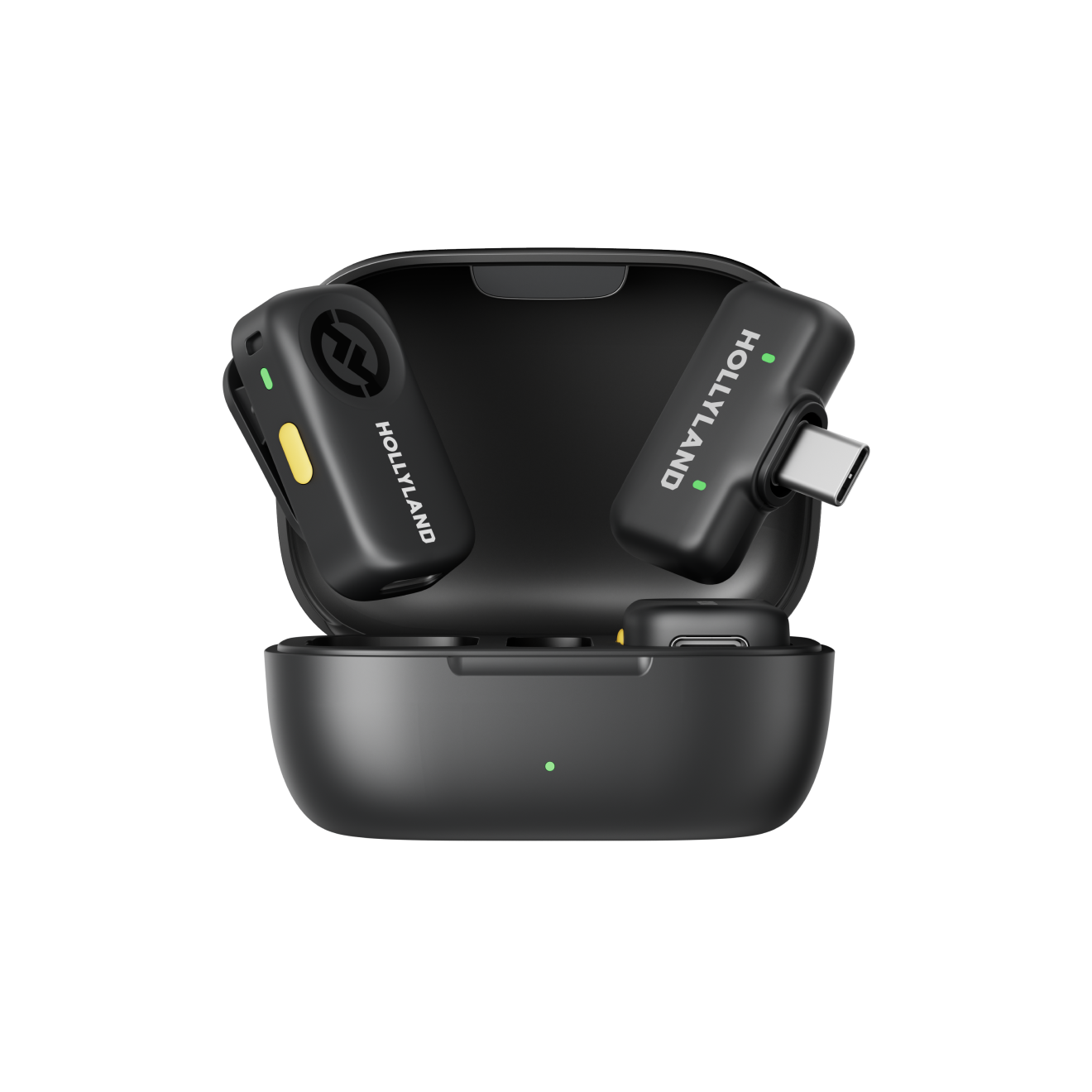
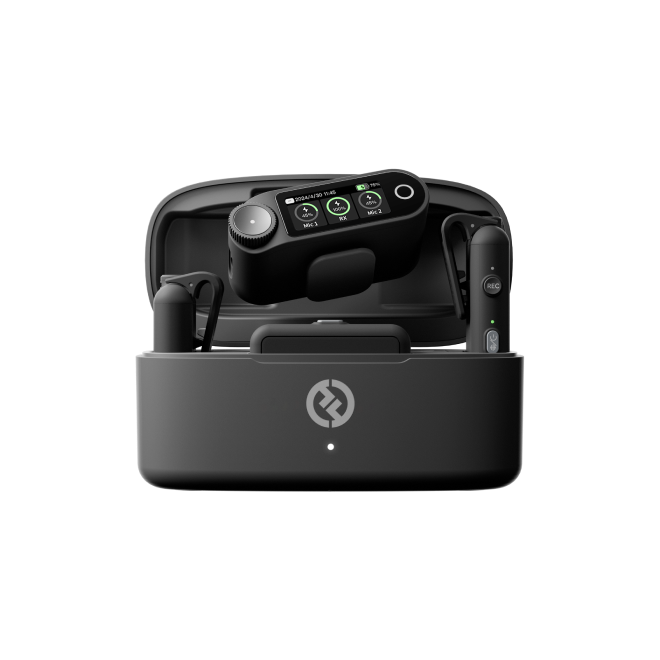
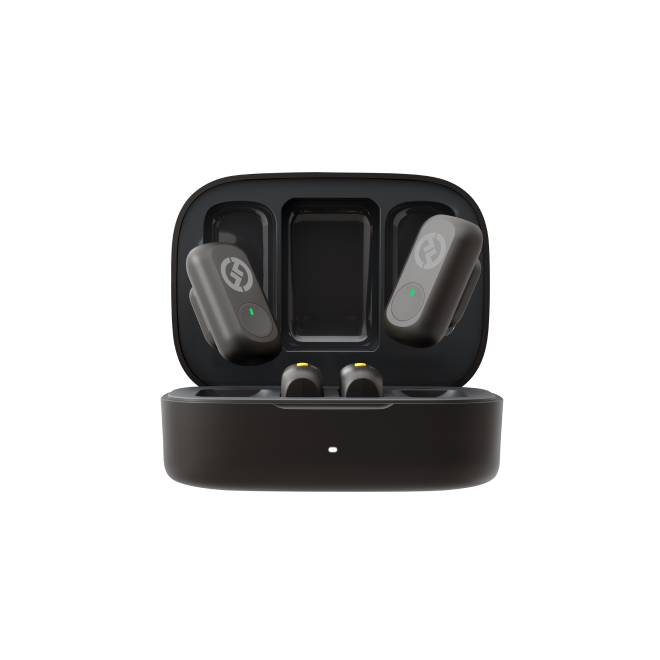
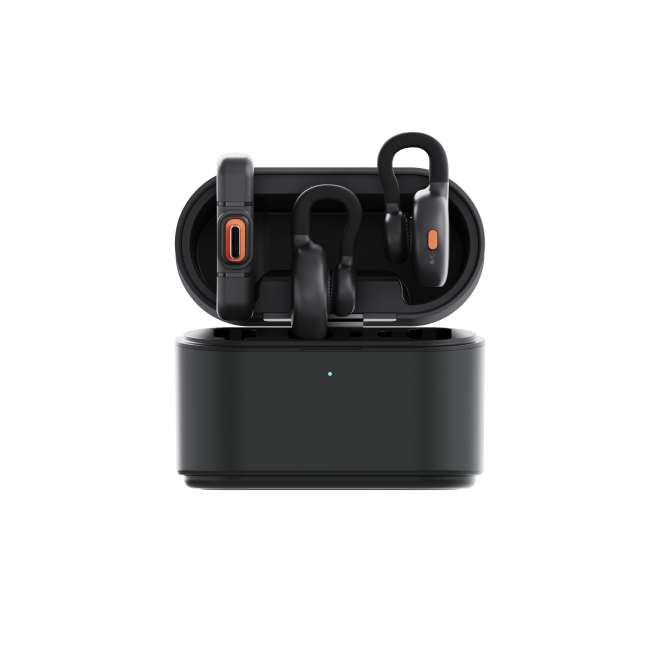
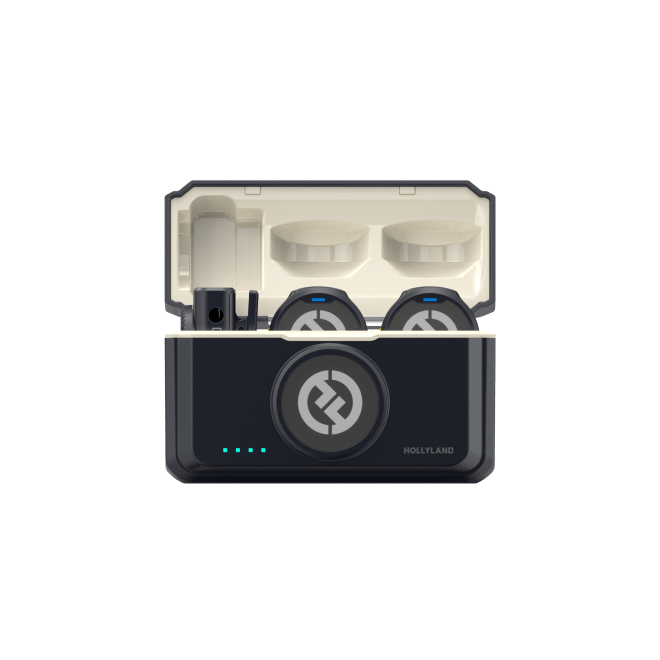
- Start with clean audio: If you speak to camera, record voiceovers, or rely on ambient sound, audio quality directly affects engagement. A compact wireless microphone like the Hollyland LARK M2 (9g clip-on design, 40-hour combined battery, phone-compatible) lifts spoken audio quality significantly compared to a phone’s built-in mic, especially when filming outdoors or in noisy environments.
- Keep individual takes tight: Short, intentional clips give you more flexibility during editing and reduce timeline clutter.
FAQ
Is CapCut free for Instagram Reels editing?
Yes, CapCut is free to download and use. Core editing tools, including trimming, transitions, text, auto captions, and basic templates, are all available at no cost. Some premium effects and templates require a CapCut Pro subscription, but the free version covers everything most Reels creators need to produce polished content.
What’s the best CapCut template style for Instagram Reels in 2025?
Slideshow-style templates with beat-synced transitions are consistently popular, especially for travel, lifestyle, and product content. Cinematic templates with muted color grades also perform well. Browse the Templates tab filtered by Popular, and monitor TikTok trends as a leading indicator for what will cross over to Reels within a few days.
Why does my CapCut video lose quality when uploaded to Instagram?
Instagram compresses every uploaded video. To minimize quality loss, export from CapCut at 1080p with a high bitrate in MP4 format. Uploading over Wi-Fi rather than mobile data also reduces the chances of additional compression during transfer. Starting with 4K source footage gives Instagram’s compression algorithm more data to preserve.
Can I use trending audio from CapCut in my Instagram Reels?
CapCut’s music library is royalty-free and does not include Instagram’s trending licensed sounds. Add trending audio directly within Instagram after uploading by selecting a sound from the Reels audio library during the posting step. For the edit itself, use CapCut’s built-in library or import original audio and switch sounds at the Instagram posting stage.
Does CapCut watermark videos for free users, and how do I remove it?
CapCut does not automatically watermark all exports. However, some templates apply a watermark by default. To avoid it, select templates that do not include one, or tap the watermark during editing and delete it before exporting. A CapCut Pro subscription removes all watermarks across every feature.
What is the maximum Reels length I should edit for in CapCut?
Instagram supports Reels up to 90 seconds. For reach and watch-time retention, aim for 15 to 30 seconds for hook-driven content and 30 to 60 seconds for tutorials or narrative clips. A tight, purposeful runtime matters more than hitting a specific length. If your Reel tells its story in 22 seconds, do not pad it to 45.
Conclusion
The core workflow is straightforward: set up your project at 9:16 and 1080p, work through the editing steps, export at high quality, and post directly from CapCut or via your camera roll. Following these steps consistently protects your video quality and saves troubleshooting time after the fact. Open CapCut now, browse the Templates tab, and build your next Reel using your own footage in place of the placeholders. For more ideas on getting the most from CapCut’s creative tools, explore our guide to the best CapCut templates for Instagram Reels.