

.png)
 简体中文
简体中文 
If your audio sounds unclear or noisy, CapCut can help. The Enhance Voice tool improves speech without extra editing software. It fits TikTok, Reels, and YouTube Shorts content, which helps you achieve clearer audio that keeps viewers engaged longer. So this guide shows where to find this function on mobile and desktop. It also explains how to apply it step by step.

What Does CapCut’s Enhance Voice Feature Actually Do?
CapCut’s Enhance Voice is an AI-powered audio tool that processes the voice in your video to reduce background noise, boost speech clarity, and separate your voice from ambient sound. It analyzes the audio track and applies noise suppression and voice isolation automatically, with optional manual control over the intensity.

The tool helps improve recordings with some background noise. It is useful when there is a soft hum or air conditioner sound. It also helps in slightly busy indoor environments. You may notice clear improvement in these situations. It does not perform as well with very loud noise. Wind, crowds, or strong overlapping sounds reduce its effectiveness.
Here is a quick breakdown of what the feature can and cannot do:
It can:
- Reduce consistent, steady background noise (fans, hum, light ambient sound)
- Boost the clarity and presence of spoken voice
- Smooth out minor audio inconsistencies
It cannot:
- Fully recover audio recorded in very loud or chaotic environments
- Remove sudden, irregular noise spikes cleanly
- Fix distortion caused by a clipped or overloaded microphone signal
How to Enhance Voice in CapCut on Mobile? (iOS & Android)
Follow these steps to apply voice enhancement on the CapCut mobile app:
- Open CapCut and tap New video, then import the video clip you want to edit.


- Tap the clip on the timeline to select it. A menu bar will appear along the bottom of the screen.

- In the 2026 UI, the audio and video options will appear immediately as you tap the clip.

- Look for “Enhance Voice” in the audio options. Scroll through the icons if you don’t see it immediately.

- A message will prompt on the screen, asking for your permission to “Allow CapCut to collect your voice information to enhance voice.” So, tap “Allow.”

- Tap Enhance Voice to toggle it on.

- Adjust the strength level if available. Start with a lower setting and work up only if needed.
- Tap the play button to preview the audio. Listen carefully for any robotic or hollow artifacts.

- Tap the checkmark to confirm, then export your video as normal.

Note: The steps above apply to both iOS and Android. Minor differences in icon placement can occur, but the overall navigation path is the same across both platforms.
Finding the Enhance Voice Button on Mobile
The most common frustration users report is simply not being able to locate the button. The key distinction to understand is that CapCut has two separate audio control areas: the clip audio panel (accessed by tapping your video clip) and the audio track panel (used when you add separate music or voiceover tracks). Enhance Voice lives inside the clip audio panel, not the standalone audio track controls.
A few things to keep in mind:
- App version matters. Older versions of CapCut may label the feature “Denoise” rather than “Enhance Voice.” If you cannot find either, update the app to the latest version.
- Scroll the icon row. The audio options appear in a horizontal icon list. Enhance Voice or Denoise may require a swipe to the right to appear.
- It applies to the selected clip only. If you have multiple clips, you will need to apply the feature to each one individually.
How to Enhance Voice in CapCut on Desktop? (PC & Mac)
The desktop version of CapCut has a different interface layout, so the steps differ from mobile. Here is how to find and apply Enhance Voice on PC or Mac:
- Open CapCut for desktop and start a new project, or open an existing one.
- Import your video clip and drag it onto the timeline.

- Click on the clip in the timeline to select it. The clip will be highlighted with a border.

- Look to the right-hand panel. With a clip selected, the right sidebar will display editing options. Navigate to the “Audio” tab within that panel.

- Locate the “Enhance Voice” checkbox within the audio settings. Click to enable it.

- Adjust the intensity using the slider if one is available. A moderate setting is a safe starting point.

- Play back the clip using the preview window to check the result. Adjust the slider up or down based on what you hear.

- Export your project once you are satisfied with the audio quality.

Understanding CapCut’s Voice Enhancement Settings
When you enable Enhance Voice, you may encounter one or more of the following controls depending on your CapCut version:
| Setting | Best Use Case | Caution |
|---|---|---|
| Low noise reduction | Quiet room with mild background hum | Safe starting point for most recordings |
| Medium noise reduction | Indoor recording with moderate ambient noise | Slight risk of processing artifacts; preview carefully |
| High noise reduction | Noticeably noisy environments | Can produce a robotic, hollow voice quality if overused |
| Voice isolation toggle | When background noise shares a frequency range with your voice | May thin out voice if applied too aggressively |
Tips to Get the Best Results from CapCut Voice Enhancement

- Apply Enhance Voice before adding music or sound effects. Processing the voice in isolation gives the AI a cleaner signal to work with and avoids unintended artifacts from layered audio.
- Pair it with volume leveling. Enhance Voice improves clarity, but it does not even out volume fluctuations. Use CapCut’s volume or audio normalization controls alongside it for consistent output across your clip.
- Preview on headphones, not speakers. Over-enhancement is easy to miss on phone speakers. Headphones make the robotic, hollow effect much more obvious, allowing you to dial back the setting before it becomes a problem in your final video.
- Expect better results with consistent background noise. The AI model in CapCut is built to handle steady, predictable noise (fans, room tone, electrical hum). Sudden intrusions like wind gusts, dogs barking, or overlapping voices are harder to separate and may not be removed cleanly.
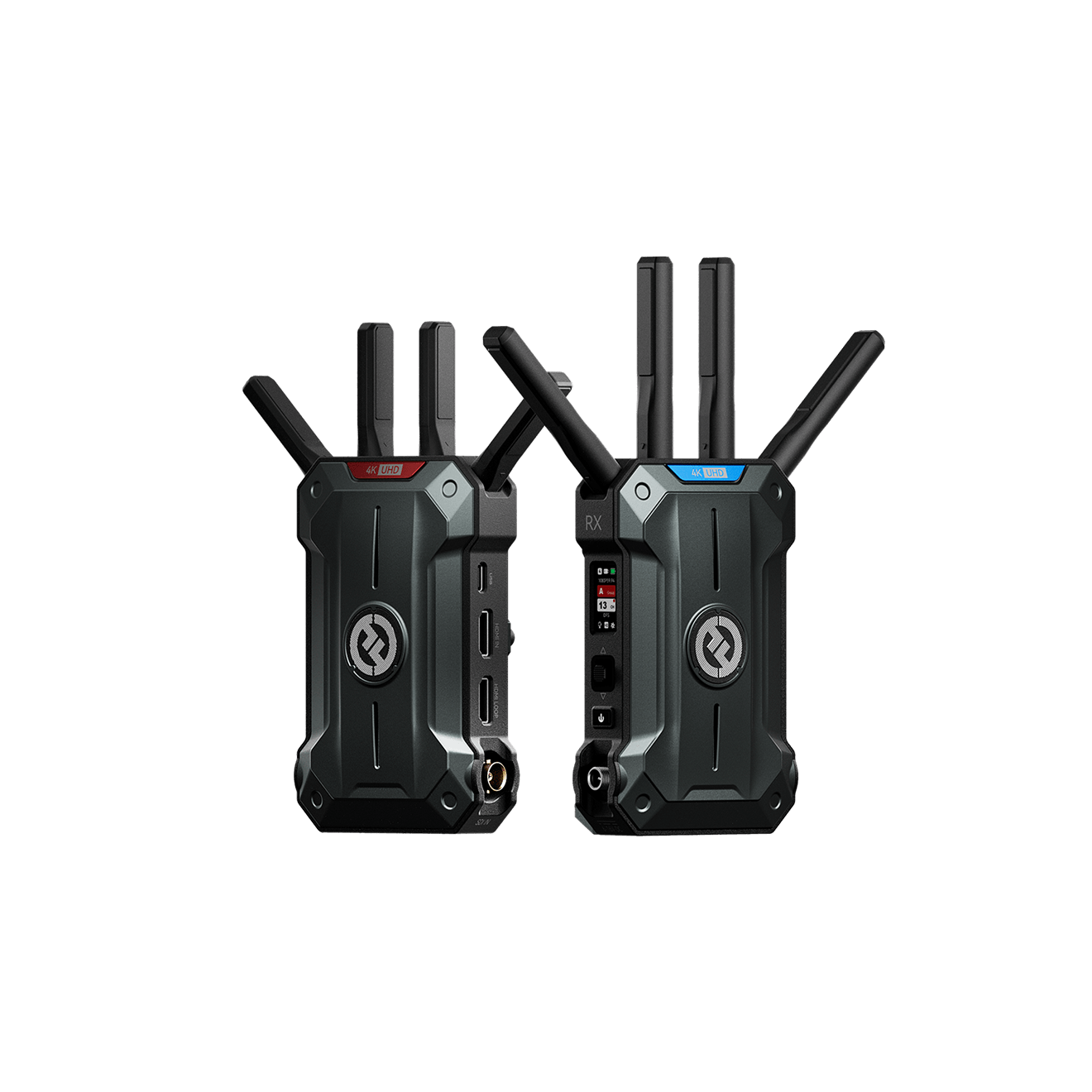
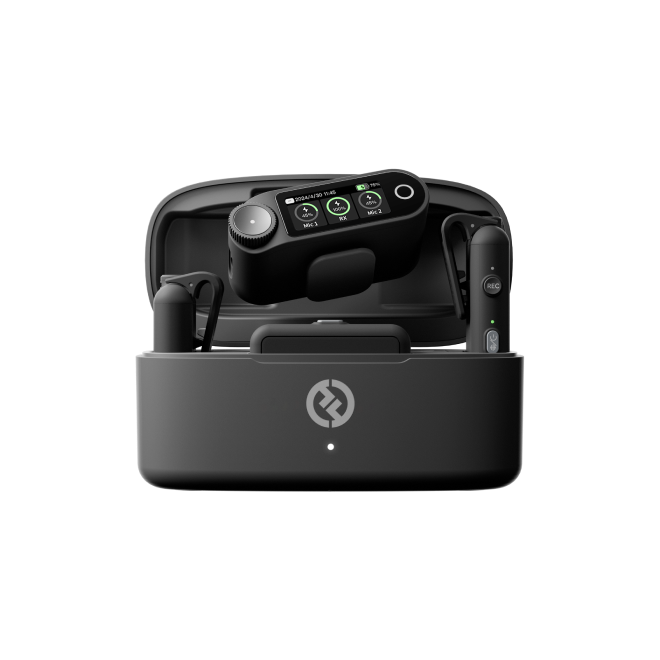
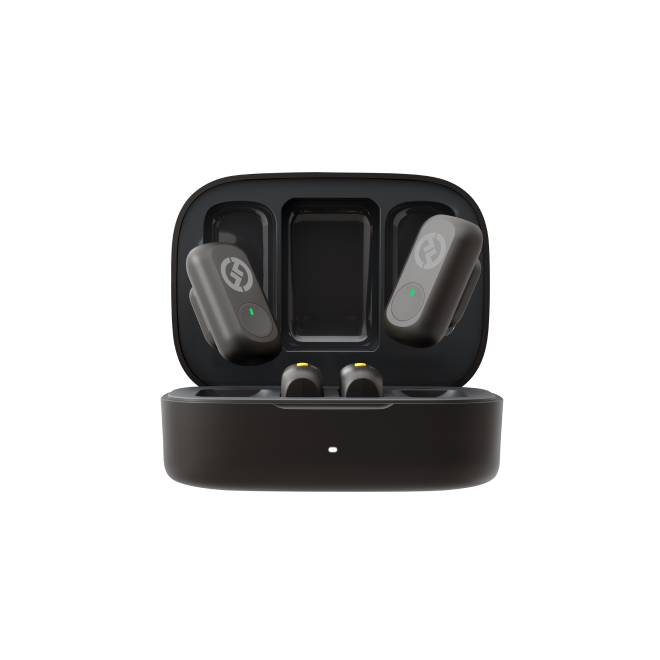
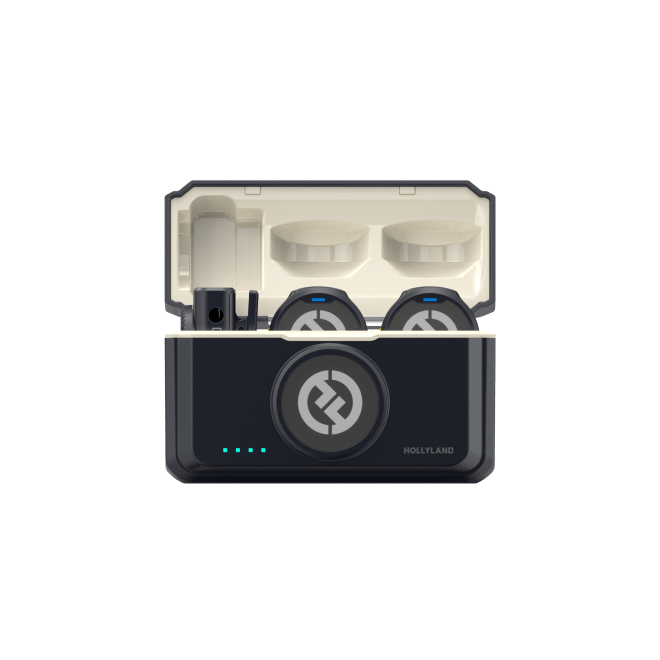
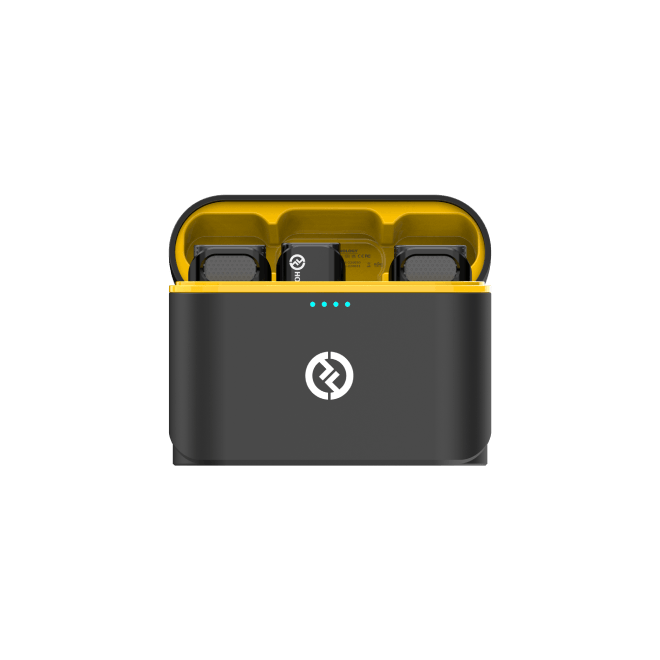
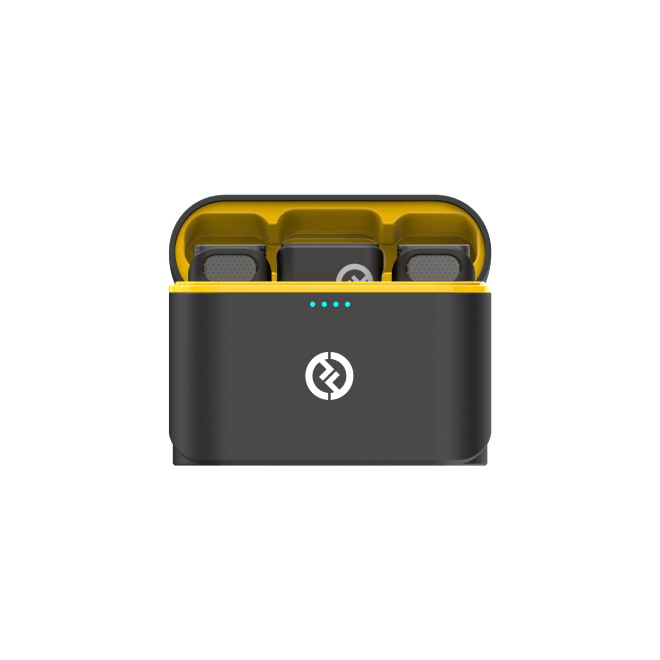
- Start with better source audio when possible. Enhance Voice works with what it receives. If the original recording is already clean, the feature needs to do very little work and the output is noticeably better. Recording with a dedicated wireless clip-on mic like the Hollyland LARK M2 significantly reduces background noise at the source. At just 9 grams and with a 40-hour battery life, it is designed specifically for TikTok creators, vloggers, and on-the-go content work. Cleaner input means less reliance on post-processing and far better results from enhancement tools.
Troubleshooting: Enhance Voice Not Showing or Not Working
If you are running into issues with the feature, here are the most common problems and fixes:
- Problem: Enhance Voice button is not visible.
Fix: Your app version may be outdated. Update CapCut from the App Store or Google Play Store, then check again. The feature may also be listed under “Denoise” in older versions. - Problem: Enhancement is applied, but audio sounds the same.
Fix: The background noise in your clip may be irregular or overlap too closely with your voice frequency. CapCut’s AI struggles with these scenarios. Try adjusting the strength level or accept that the tool has limited ability on that particular recording. - Problem: Voice sounds robotic or hollow after enhancement.
Fix: The strength is set too high. Reduce the denoise level to Low or move the slider down. A subtle application is almost always more effective than a maximum one. - Problem: Feature applies to the whole project, not just one clip.
Fix: Make sure you have selected a specific clip on the timeline before enabling the feature. Enhance Voice is clip-specific, not project-wide.
FAQs
Q: Where is the Enhance Voice option in CapCut?
On mobile, tap your video clip on the timeline first. Look for Enhance Voice in the bottom toolbar options. On desktop, select the clip and open the Audio tab. You will find an Enhance Voice checkbox there.
Q: Does CapCut’s Enhance Voice work on music or background audio?
No. The feature is designed to detect and clean up spoken voice specifically. If you apply it to a music track or ambient audio, it will likely distort or degrade the sound rather than improve it. Use it only on clips containing speech.
Q: Why does my voice sound robotic after using Enhance Voice in CapCut?
This happens when the enhancement intensity is set too high. The AI over-processes the audio and strips out frequencies that give your voice its natural warmth. Lower the level to a medium or light setting and preview again. Small adjustments make a significant difference.
Q: Can Enhance Voice fix very noisy audio recorded in a loud environment?
Partially. CapCut’s AI handles consistent ambient noise well, such as fans, air conditioning, or light crowd murmur. But loud or irregular sounds like wind, overlapping speech, or sudden interruptions are much harder to remove cleanly. Results will be limited for severely compromised recordings.
Q: Does Enhance Voice work on voiceover tracks added inside CapCut?
Yes. This option works for both imported audio and recorded voiceovers. On mobile, select the voiceover clip on the timeline first. Then follow the same menu steps. On desktop, click the voiceover clip and open the Audio panel. You will find the Enhance Voice option under basic settings.
Conclusion
CapCut’s Enhance Voice tool helps improve spoken audio while editing. Select your clip, navigate to the audio settings, enable the feature, and adjust the strength until the voice sounds clear without becoming over-processed. The feature handles moderate background noise well but has real limits with severely noisy recordings. For creators who deal with audio quality issues regularly, improving the recording environment or using a dedicated wireless clip-on mic will reduce the need for heavy post-processing.