
.png)
 简体中文
简体中文 
CapCut makes short-form video editing fast, but trimming clips precisely around spoken dialogue can still eat up editing time. The app offers two approaches to voice-based clipping: an AI-powered silence removal tool and manual waveform trimming. This guide walks through both methods on mobile and desktop so you can stop scrubbing the timeline and start publishing faster.

How to Use CapCut’s Clip Until Voice Feature: Step-by-Step Guide
What Does “Clip Until Voice” Mean in CapCut?
“Clip until voice” is not a single labeled button inside CapCut. Instead, it describes the goal of trimming a clip so that it starts or stops exactly where speech begins or ends. CapCut gives you two ways to reach that goal: automatic silence removal, which uses voice activity detection to cut out non-voiced gaps in one tap, and manual waveform trimming, where you drag the clip endpoints yourself while using the audio waveform as a visual guide.
What Does “Clip Until Voice” Mean in CapCut?
Understanding which method fits your situation matters. Silence removal is ideal when a recording has clear pauses between sentences and you want CapCut to cut them all at once. Manual waveform trimming gives you frame-level control when you need one precise cut at a specific word or breath. Both methods are covered below.
How to Clip Until Voice in CapCut (Mobile — iOS and Android)
Open CapCut on your phone and import the clip you want to trim. Once the clip appears on the timeline, tap it to select it. From here, you can take either the automated or the manual route.
Using Auto-Cut / Silence Removal on Mobile
CapCut’s silence removal tool detects voiced segments and removes the quiet gaps automatically. Here is how to access it:
- Tap the target clip, scroll through the bottom toolbar and tap Captions.
- Under Advanced Options, toggle the Identify filler words.
- Choose Generate and wait for the app to generate captions.

- In the next screen, look for the “Pause” timestamps and select them. It will appear blue when selected.
- Once all the pauses are selected, click on Delete Clips. This feature requires the user to have Pro subscription.

After applying, scan the timeline to make sure no spoken words were clipped. If a cut lands too early or late, tap the affected clip edge and drag it to correct the position.
Manually Trimming to Voice Endpoints Using the Waveform
When you need a single precise cut at a specific voice moment, waveform trimming is the faster option:
- Tap your clip on the timeline to select it.
- Pinch outward on the timeline to zoom in. This spreads the waveform and makes individual sounds easier to read.
- Use the Trim tool to cut the beginning and end of your selection. Make sure to trim both the audio and video.
- Select the trimmed clip and delete it manually.

- Tap the play button to confirm the cut points are accurate.
- Tap anywhere outside the clip to deselect, then continue editing or export.
Take note: If there are no waveforms in the timeline, click on Audio > Extract and select the target video. The audio will appear where the pointeris. For frame-accurate results, zoom the timeline in as far as it will go before dragging the handles.
How to Clip Until Voice in CapCut (Desktop / Web)
The CapCut desktop app and CapCut Web follow the same logic as mobile, with a few interface differences.
- Import your clip and add it to the timeline.
- Click the clip to select it. The audio waveform is visible directly on the timeline track.
- Select the “Transcript” button in the middle of the screen. Wait for the process, which could take seconds or minutes depending on the length of the clip.

- Once the Transcript process is finished, the user can select pauses, repeats, and filler words to delete by clicking on the checkmark.
- Click “Delete” and wait for the process to finish. Take note that this feature requires a Pro subscription.

- Press Space to play back and verify the trim before exporting.
Note: Silence Removal may require a CapCut account sign-in on the web version. Basic manual trimming is available without a login on all platforms.
Why Voice Detection May Not Work Accurately (And How to Fix It)
| Issue | Cause | Fix |
|---|---|---|
| Silent sections are not removed | Sensitivity threshold set too low | Increase the sensitivity slider in the Silence Removal panel |
| Spoken words are cut mid-sentence | Sensitivity threshold set too high | Lower the sensitivity so shorter pauses are preserved |
| Background noise triggers false cuts | Ambient sound detected as a silence break | Run CapCut’s noise reduction on the clip before applying Silence Removal |
| Detection misses voice entirely | Compressed or low-bitrate audio with a weak signal | Re-record at a higher quality setting or use a dedicated microphone |
| Background music confuses detection | Music peaks are read as speech activity | Split the voice track from background music first, then run Silence Removal on the voice track only |
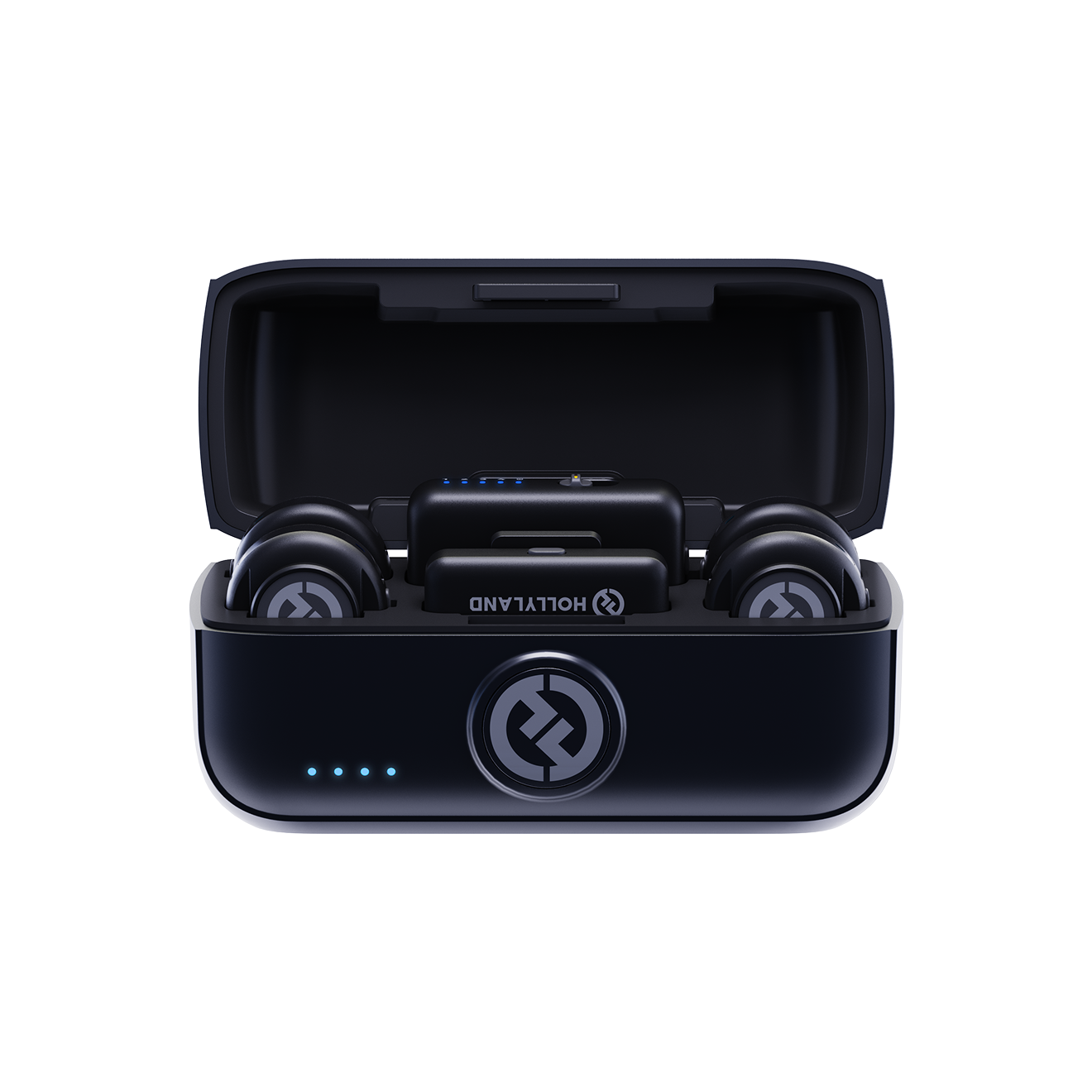
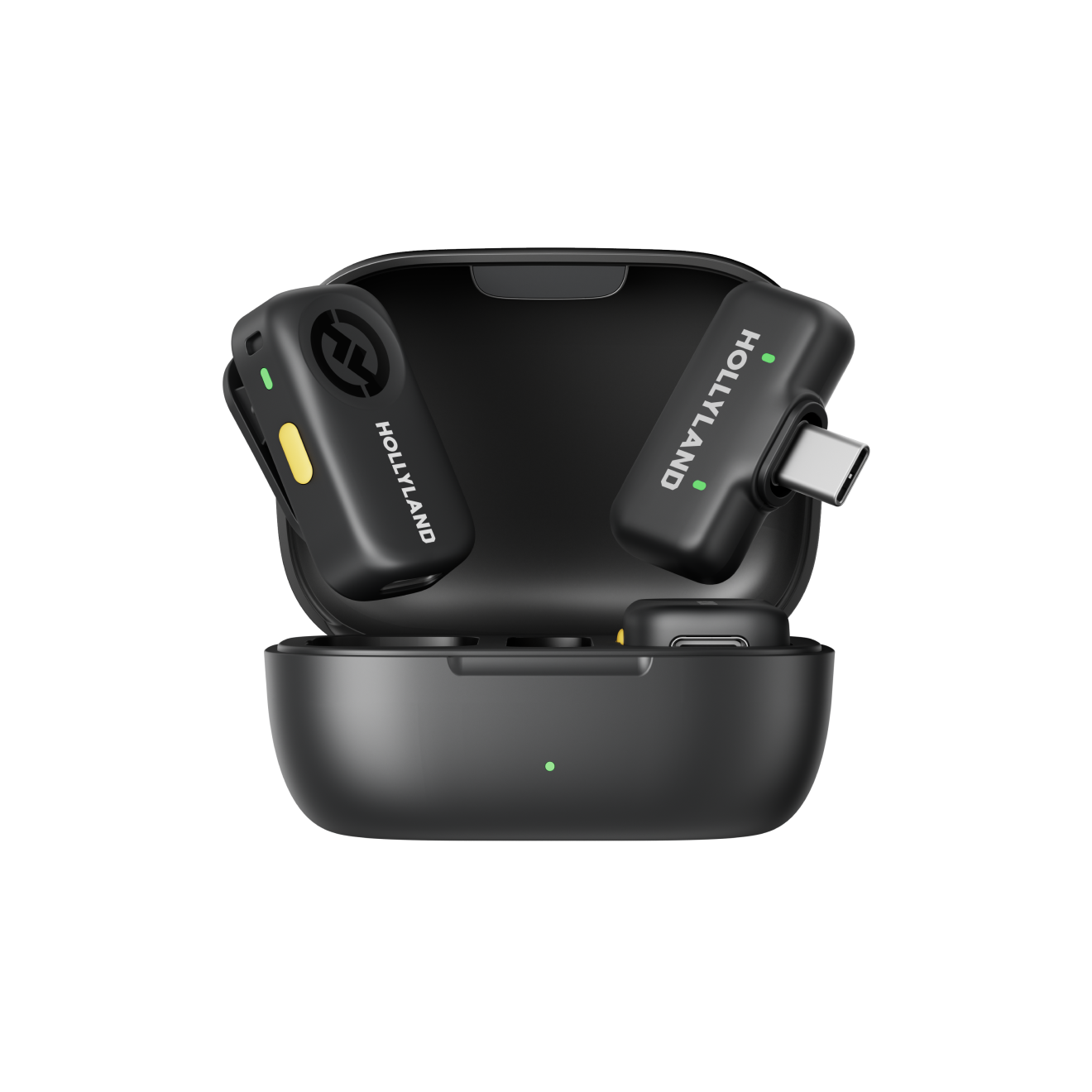
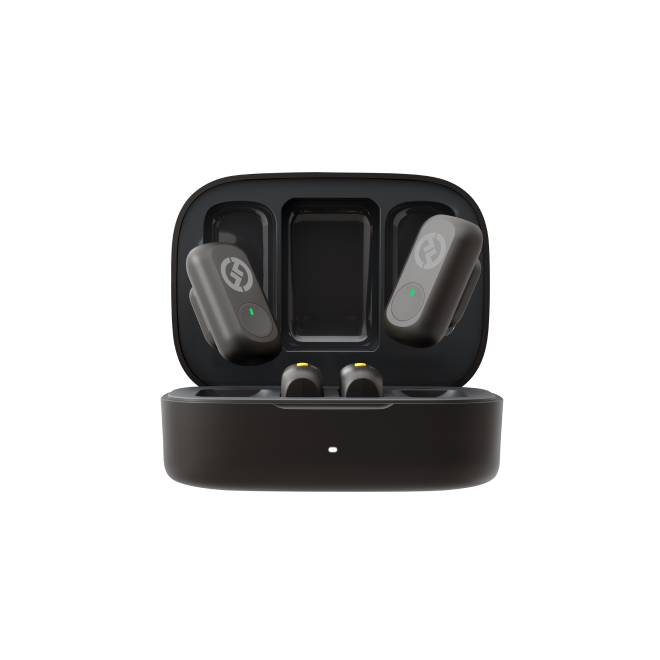
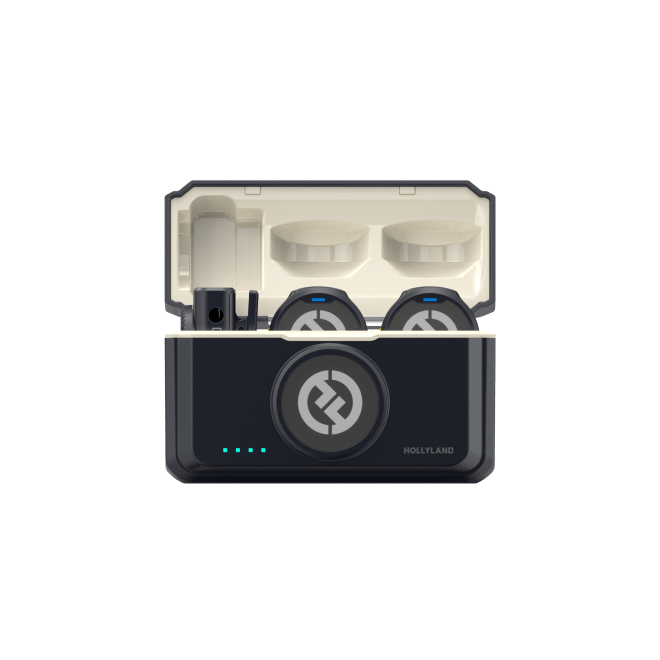
Pro Tip: Voice-detection accuracy in CapCut is only as good as the audio you feed it. If you record on a smartphone, a compact wireless mic makes a measurable difference. The Hollyland LARK A1 plugs directly into USB-C or Lightning ports with no receiver needed and includes three-level noise cancellation, making it a practical plug-and-play option for beginners. Active vloggers who need more range can consider the Hollyland LARK M2, which weighs just 9 g and delivers up to 40 hours of battery life. Both options isolate your voice cleanly at the source, which reduces detection errors before the clip ever reaches CapCut.

Hollyland LARK A1 - Affordable Wireless Microphone
A perfect starter mic for creators on a budget. It’s simple to use and features effective noise cancellation.
Key Features: 48kHz/24-bit | 3-Level Noise Cancellation | 54-Hour Battery
FAQ
Can CapCut automatically remove all silent parts of a clip?
Yes. CapCut’s Silence Removal tool, found under the Audio panel when a clip is selected, detects and removes quiet gaps across the entire clip in one pass. You control how aggressively it cuts using the sensitivity slider. After applying, review the timeline to catch any spoken words that may have been trimmed unintentionally.
Does “clip until voice” work if there is background music in the clip?
Background music can interfere with voice detection because CapCut reads audio peaks rather than isolating speech perfectly. For the best results, split the audio tracks first and apply Silence Removal to the voice track only. Running CapCut’s noise reduction before Silence Removal also helps the tool distinguish speech from music before detection runs.
Is the voice-based clip feature available on the free version of CapCut?
Manual waveform trimming is fully free on all platforms. Silence Removal is available on the free tier in most regions, though some advanced auto-cut features may require a CapCut Pro subscription. Pro-gated options are typically marked with a crown icon inside the app, so check the panel directly before assuming a feature is locked.
Conclusion
Voice-based clipping in CapCut comes down to two tools: Silence Removal for automated cuts across an entire clip, and waveform trimming for precise, single-point edits. Start by testing Silence Removal on a short sample clip to dial in the right sensitivity before applying it to longer recordings. From there, explore CapCut’s Auto Captions and voice effects features to build a faster, audio-driven editing workflow overall.