.png)
 简体中文
简体中文 
It is one of the most confusing moments for anyone digitizing vinyl. You drop the needle, you see the recording levels dancing in green, and the blue waveform starts drawing on the screen—but you hear absolutely nothing through your computer speakers.
If the meters are moving, the audio is there. So, why is it silent?
This happens because Audacity treats Input and Monitoring as two separate jobs.
- Input (Recording): The computer receives the audio signal from your USB turntable and writes the data to your hard drive. This works fine, which is why you see the visual waveform.
- Monitoring (Playback): This is the act of sending that incoming signal back out to your speakers or headphones. By default, Audacity keeps this turned off to prevent loud feedback loops.
If you are trying to figure out how to monitor LP recording on Audacity, you simply need to bridge this gap. You have two main options: using Audacity’s built-in “Software Playthrough” or using a hardware workaround. Here is how to do both.
Method 1: Enabling “Software Playthrough” (The Quickest Fix)
If you see the waveform but hear silence, this is the first setting to check. It tells Audacity to take the live signal entering the software and route it immediately to your computer speakers.
Follow these steps to enable monitoring:
- Open Audacity with your USB turntable or interface connected.
- Navigate to the top menu bar and click Edit
- Click on Preferences

- Click on Recording
- Click Software Playthrough OR Audible input monitoring ( For Newer Version ) (on/off). Ensure a checkmark appears next to it.


- Warning: Do not select “USB Audio Codec” as the playback device. That sends the audio back to the turntable, which doesn’t have speakers.
A Note on Latency (The Delay)
When you use Software Playthrough, the audio signal has to travel from the turntable, through the USB cable, get processed by your computer’s CPU, and then go back out to your sound card.
This creates a slight echo or delay, known as latency.
- For Archiving: This delay is fine. You are just listening to know when the song starts and ends.
- For Overdubbing: If you are trying to record a new instrument while listening to a previous track, this delay will throw off your timing. In that case, use Method 2 below.
Method 2: Hardware Monitoring (The Zero-Latency Solution)
If the delay caused by Software Playthrough bothers you—or if seeing the needle drop a split second before you hear the sound is distracting—the best solution is to bypass the computer entirely. This is called Hardware Direct Monitoring.
How It Works
Instead of waiting for the computer to process the sound, you listen to the audio signal before it gets converted into digital data.
How to Set It Up
Plug your headphones directly into the headphone jack located on your USB turntable or USB Audio Interface (like a Focusrite or Behringer).
- On USB Turntables: Look for a 3.5mm jack on the front or side panel.
- On Audio Interfaces: Look for the jack labeled “Phones” or “Direct Monitor.” You may need to toggle a switch to “Direct” to hear the input.
Pros and Cons
While this is the professional standard for recording, it requires specific gear.
- Pro: Zero Latency. There is absolutely no delay. The sound is instantaneous.
- Pro: Pure Audio. You hear the raw signal exactly as it sounds coming off the needle, without any coloration from your computer’s drivers.
- Con: Adapters. Many audio interfaces use a professional 1/4-inch jack. If you are using standard earbuds, you will likely need a 3.5mm to 1/4-inch adapter.
Troubleshooting: Fixing Common Monitoring Issues
Even with Software Playthrough enabled, you might run into audio anomalies like echoes or robotic sounds. These issues usually stem from conflicting settings between Audacity and Windows.
The “Echo” Problem (Double Monitoring)
If your vinyl recording sounds like it is in a tunnel, you likely have two monitoring paths active at once. This happens when both Audacity’s “Software Playthrough” and Windows’ “Listen to this device” feature are turned on.
How to fix it:
- Keep Audacity’s Software Playthrough checked (enabled).
- Right-click the Speaker icon in your Windows taskbar and select Sounds (or “Sound Settings” > “More sound settings”).


- Uncheck the box labeled “Listen to this device.”
- Click Apply.

Input Host Settings (No Sound or High Latency)
If you still hear nothing, or the delay is massive (half a second or more), you may need to change your Audio Host. This setting tells Audacity how to talk to your sound card. You can find this dropdown menu on the main toolbar.
- MME (Windows): The default setting. It is compatible with everything but has the highest latency. If your audio is very delayed, MME is usually the reason.
- Windows WASAPI: A newer, faster protocol. Switching to WASAPI often reduces latency significantly and provides a cleaner signal path.
- Core Audio (Mac): Mac users generally don’t need to worry about this; Core Audio handles monitoring with low latency automatically.
Quick Fix: If you are on Windows and hear silence, try cycling from MME to WASAPI (or DirectSound). After switching, press Stop and then Record/Monitor again to reset the audio engine.
Pro Tip: Monitoring Audio for Content Creators
If you are taking your hobby a step further by filming vinyl reviews or setup tours for YouTube, your monitoring needs change.
When you record video commentary while a record is spinning, you cannot rely on computer speakers. If your camera microphone hears the music coming from your speakers, it creates audio bleed—a muddy echo that is impossible to fix later. You need isolated, professional monitoring.
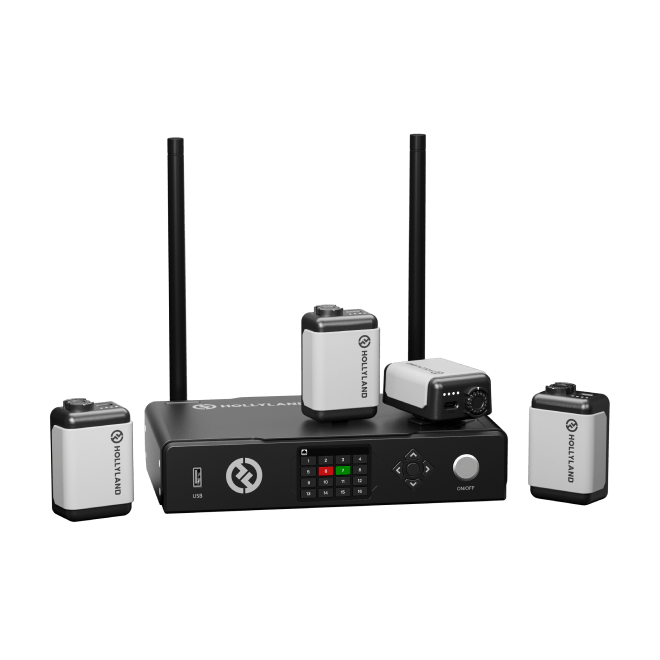
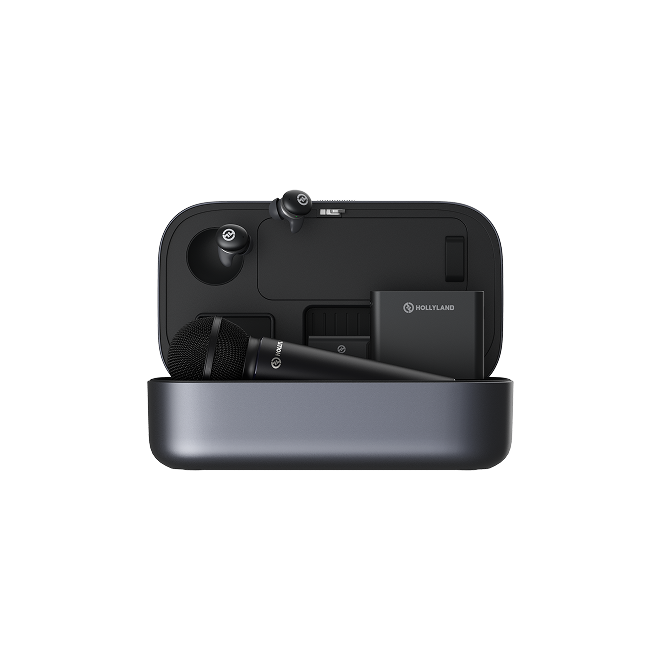
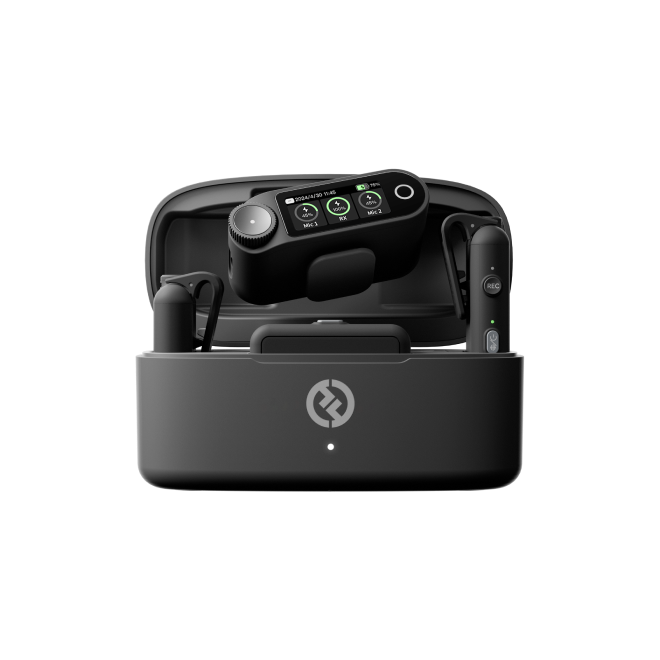
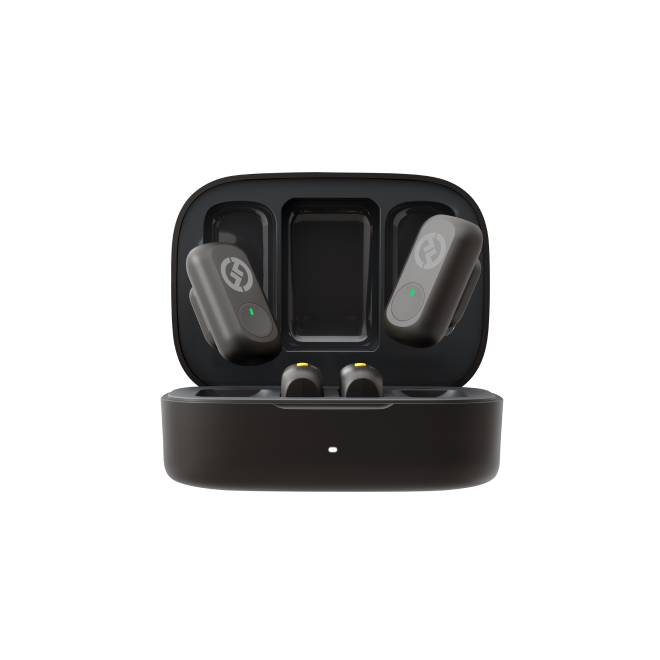
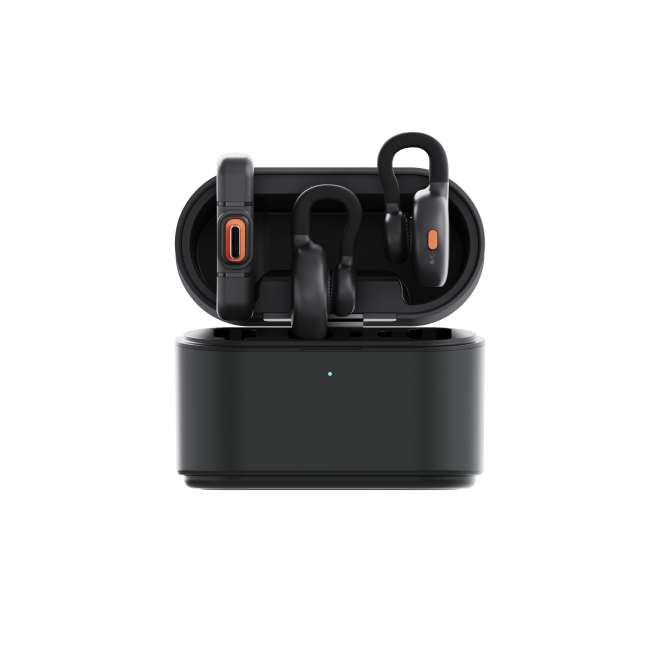
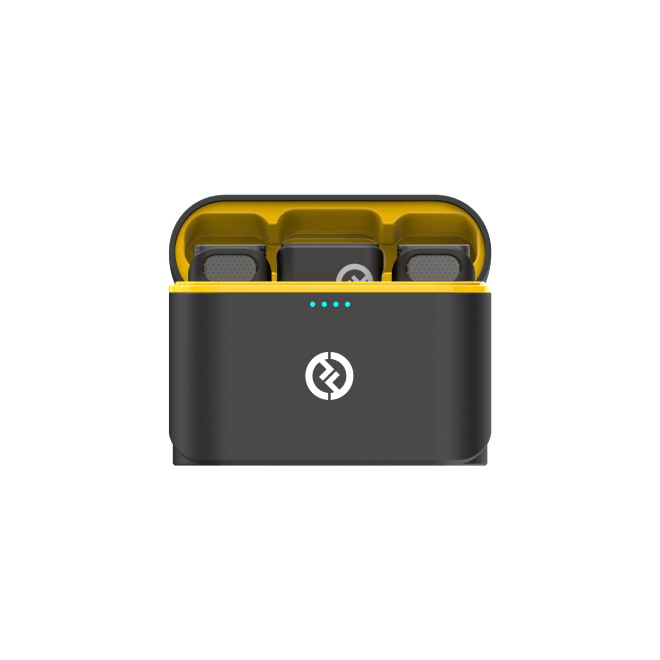
The Wireless Solution: Hollyland LARK MAX 2
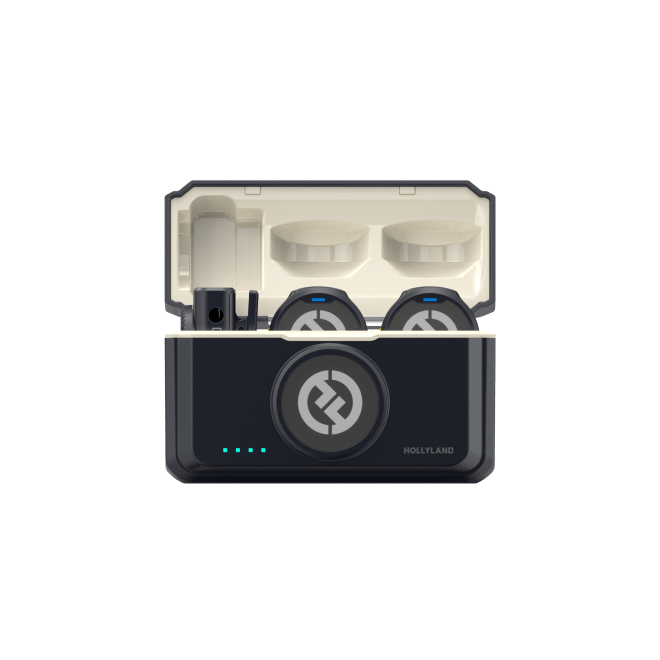
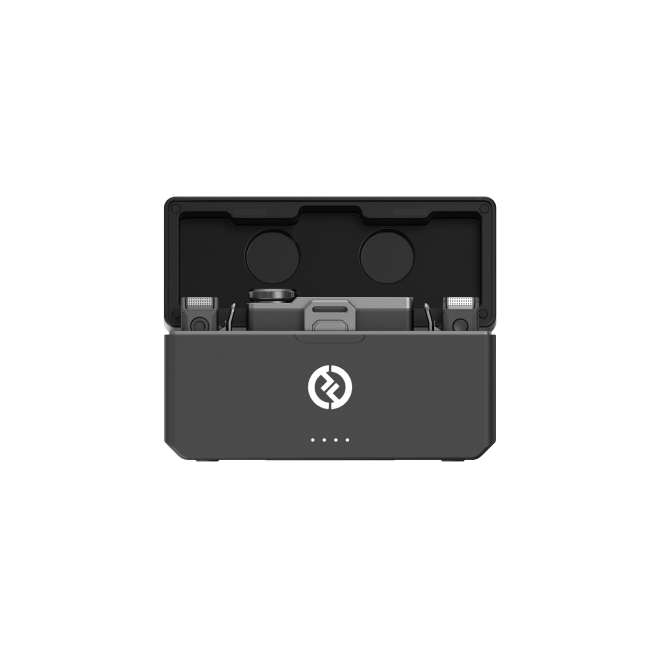
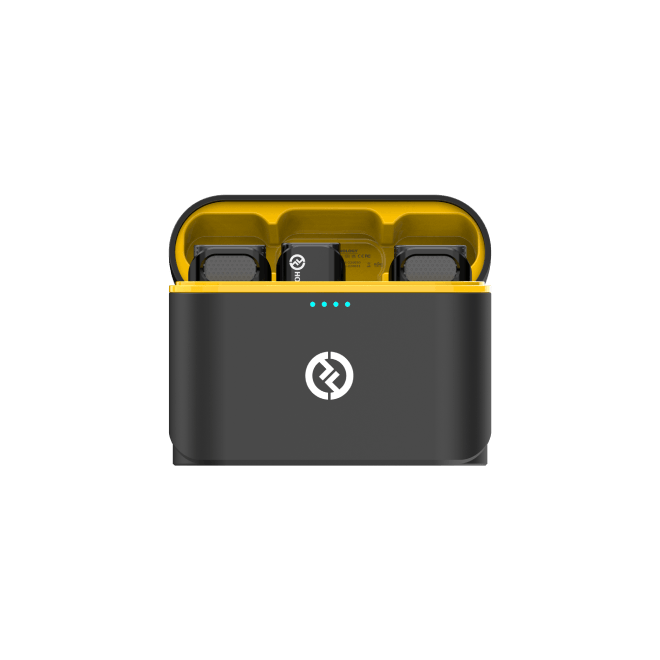
For creators who need to move freely around their turntable setup without being tethered to a desk by headphone cables, the Hollyland LARK MAX 2 is a smart upgrade.
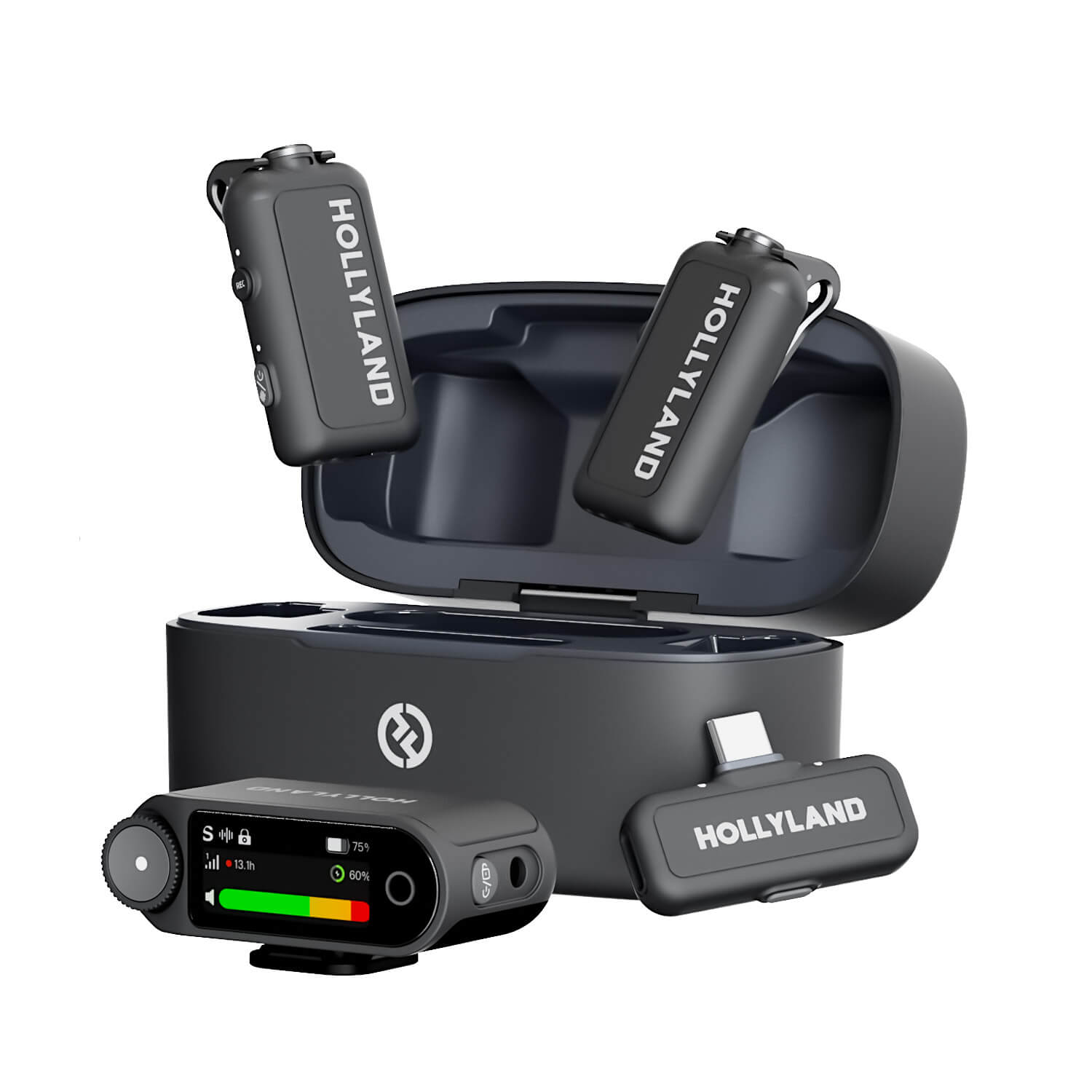
Hollyland LARK MAX 2 - Premium Wireless Microphone System
A premium wireless microphone for videographers, podcasters, and content creators to capture broadcast-quality sound.
Key Features: Wireless Audio Monitoring | 32-bit Float | Timecode
While it is primarily a wireless microphone system, it solves a specific problem for vinyl content creators:
- Wireless Audio Monitoring: The LARK MAX 2 supports wireless monitoring via OWS (Open Wearable Stereo) earphones. This allows you to hear exactly what the microphone is capturing in real-time without being plugged into the camera. You can walk across the room to grab a record jacket while ensuring your audio levels are perfect.
- 32-Bit Float Recording: When reviewing a dynamic track or reacting to a rare find, your voice volume can spike. The LARK MAX 2 uses 32-bit float recording, which captures a massive dynamic range. This prevents your audio from distorting (clipping) even if you shout, ensuring your review audio is always clear.
Frequently Asked Questions (FAQ)
Why is there a delay when I monitor my LP in Audacity?
This is called latency. It happens because the audio signal must travel from your turntable to the computer, be processed by Audacity, and sent back to your speakers. You can reduce this by going to Edit > Preferences > Recording and lowering the Buffer length (try 50ms instead of 100ms), but setting it too low may cause clicks in the audio.
Should I use MME or Windows WASAPI for recording vinyl?
For the best results on Windows, choose Windows WASAPI. It allows Audacity to capture audio directly from the device without Windows altering the sound quality, and it usually has less delay than MME.
Can I listen to the record through my computer speakers while recording?
Yes. Just ensure your Output Device in the Audacity toolbar is set to your computer’s sound card (e.g., “Speakers”) rather than the USB Audio Codec of the turntable. However, be careful: if your speakers are on the same table as the turntable, the bass vibrations can travel back into the needle, causing a low rumble (feedback).
How do I stop the echo while recording?
You likely have two monitoring systems on at once. Go to your Windows Sound Control Panel, find your turntable in the “Recording” tab, and uncheck “Listen to this device.” Rely solely on Audacity’s Software Playthrough.
Conclusion
Digitizing your vinyl collection is a labor of love, but you need to hear what you are doing to get the best results. If you just need to check that the audio is working, enabling Software Playthrough in Audacity is the fastest fix. However, if the slight delay drives you crazy, plugging headphones directly into your turntable for Hardware Monitoring is the better choice.
Before you commit to recording a full 45-minute album side, always do a 30-second test recording. Play it back to ensure your levels aren’t hitting the red and the sound is clear. It is much better to catch a configuration error now than to realize you just recorded 20 minutes of silence. Happy archiving!